Oil Price Surge Raises Global Energy Concerns as Middle East Crisis Drives Brent Toward $86 and WTI Near $79 Amid Market Uncertainty 04-03-2026
Oil Price Surge Raises Global Energy Concerns as Middle East Crisis Drives Brent Toward $86 and WTI Near $79 Amid Market Uncertainty
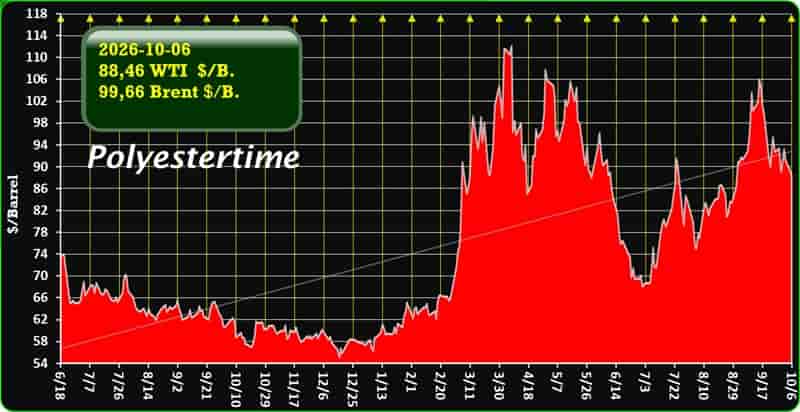
The global oil prices trend has turned sharply upward in early March 2026, with crude benchmarks rising amid escalating geopolitical tensions and renewed supply concerns.
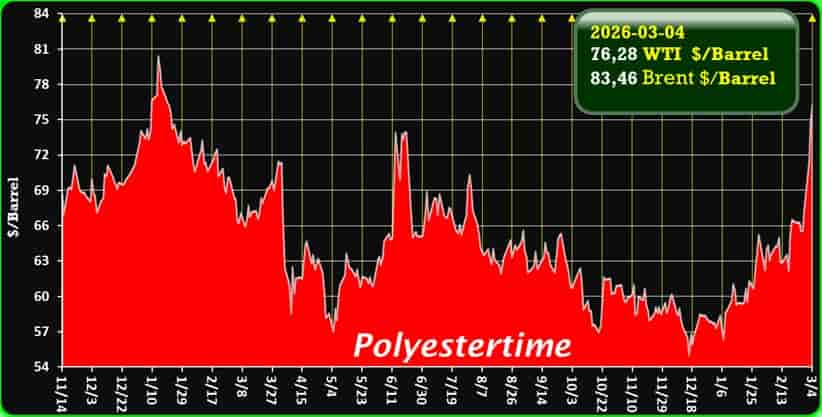
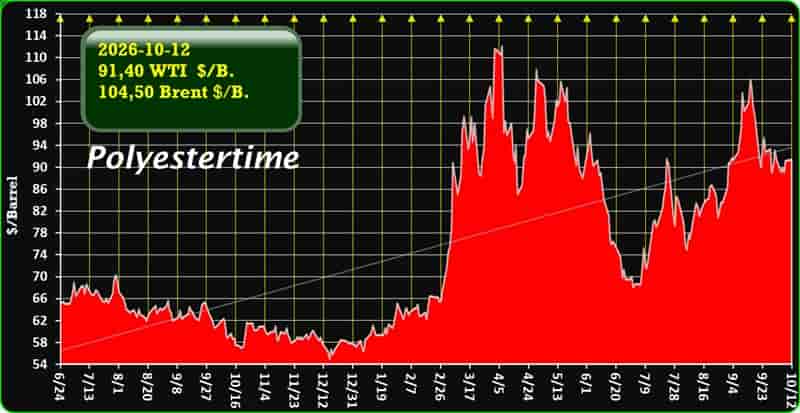
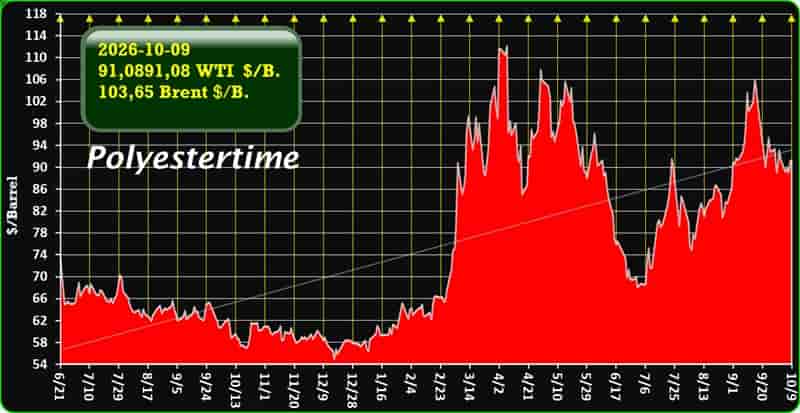
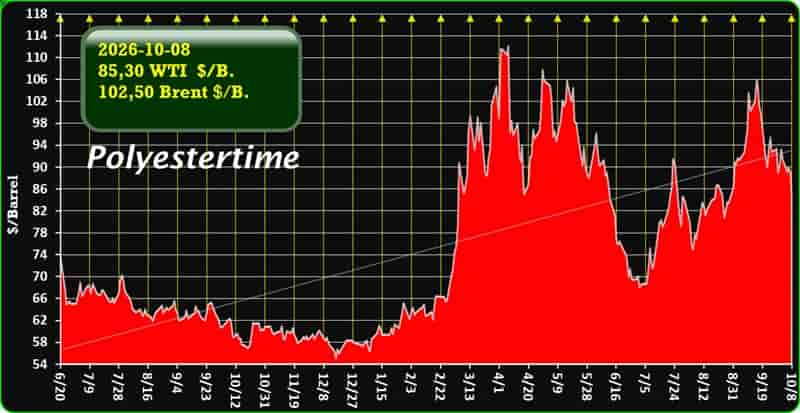
Brent crude currently trades between $83 and $86 per barrel, while West Texas Intermediate (WTI) fluctuates around $76–79 per barrel. The recent increase in the oil price reflects market anxiety about potential disruptions to energy flows from the Middle East, a region that remains critical for global crude supply.
Investors and policymakers are closely watching the crude price trajectory as developments in the region continue to influence energy markets and economic expectations worldwide.
Current Crude Price Snapshot
| Benchmark | Price Range (March 4, 2026) | Market Context |
|---|---|---|
| Brent Crude | $83 – $86 per barrel | Highest levels in months |
| WTI Crude | $76 – $79 per barrel | Strong rebound following geopolitical tensions |
These levels represent a sharp rebound compared with earlier weeks. Market analysts note that the crude price reaction has been particularly strong because traders are factoring geopolitical risk directly into futures markets.
Geopolitical Tensions Driving the Crude Price Rally
The primary catalyst behind the recent crude price surge is escalating geopolitical tension involving Iran and broader instability in the Middle East.
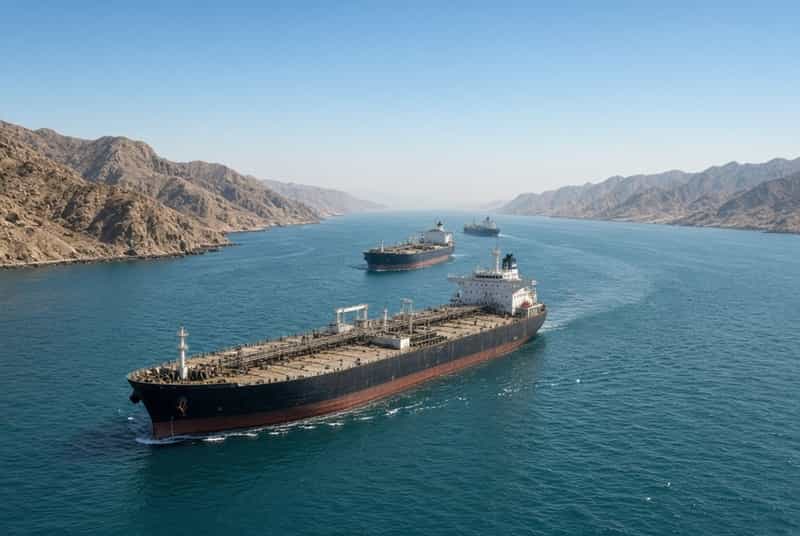
Reports of military incidents and threats to regional energy infrastructure have raised fears of supply disruptions. The Strait of Hormuz, one of the world’s most important energy transit routes, carries roughly one-fifth of global oil shipments.
Even the possibility of disruptions to tanker traffic through this chokepoint can trigger rapid increases in the oil price because energy markets are extremely sensitive to geopolitical risk.
Insurance premiums for shipping crude through the region have also increased, further contributing to volatility in the crude price.
Supply and Demand Factors Influencing Oil Price Movements
Beyond geopolitical concerns, several structural factors are shaping the current oil price trend.
Global Supply Constraints
Production disruptions and infrastructure risks in parts of the Middle East are tightening supply expectations. Any interruption to exports from major producers can quickly push the crude price higher due to the limited spare capacity in global markets.
OPEC+ Production Strategy
OPEC+ remains a central force in the global crude price balance. While the group has signaled cautious production increases, these moves are relatively modest and may not offset sudden supply disruptions caused by geopolitical instability.
Many analysts believe OPEC+ is carefully managing output levels to prevent excessive volatility in the oil price while maintaining favorable revenue levels for producing nations.
Global Demand Trends
Global demand remains relatively resilient, particularly in emerging economies. Major importers such as China and India continue to consume large volumes of crude, reinforcing upward pressure on the oil price.
Seasonal demand for transportation fuels and industrial energy consumption is also contributing to the current market strength.
Investor Sentiment and Financial Market Reactions
Investor sentiment has shifted toward caution as traders incorporate geopolitical risk premiums into the oil price outlook.
Energy futures markets have experienced increased volatility as hedge funds and institutional investors adjust positions based on potential supply disruptions.
While higher crude prices often pressure broader equity markets due to inflation concerns, energy sector stocks typically benefit from rising oil price levels. Major oil companies and energy producers have therefore attracted renewed investor interest.
Economic Impact of the Oil Price Increase
The recent rise in the oil price may have wider implications for the global economy.
Higher crude costs can translate into increased transportation expenses, higher fuel prices, and rising inflation in energy-importing countries.
Potential economic effects include:
-
Higher transportation and logistics costs
-
Increased inflation pressure in global markets
-
Stronger revenues for oil-exporting countries
-
Potential pressure on central banks to maintain tighter monetary policy
If the oil price continues to climb, it could slow economic growth in some regions while strengthening fiscal balances in major energy-producing economies.
Short-Term Oil Price Outlook
Looking ahead, the direction of the oil price will largely depend on geopolitical developments in the Middle East and the stability of global supply chains.
If tensions escalate or energy shipping routes face further disruption, analysts suggest Brent crude could approach $90 per barrel in the near term.
However, if diplomatic efforts stabilize the region and supply flows remain uninterrupted, the oil price may stabilize or retreat slightly as markets remove some of the geopolitical risk premium currently embedded in prices.
Conclusion
The recent oil price surge highlights how sensitive global energy markets remain to geopolitical shocks and supply uncertainty.
With Brent trading between $83 and $86 per barrel and WTI around $76–79, the oil market has entered a period of heightened volatility. The coming weeks will be critical in determining whether the oil price continues to rise or stabilizes as geopolitical tensions evolve.
For governments, businesses, and investors alike, monitoring the oil price will remain essential, as energy costs continue to shape economic trends and global market dynamics.
More…