Iran PET Supply Faces a Summer Logistics Test
Iran’s PET capacity may cover domestic summer demand, but shipping disruption, energy costs and limited current production data leave supply risks unresolved.

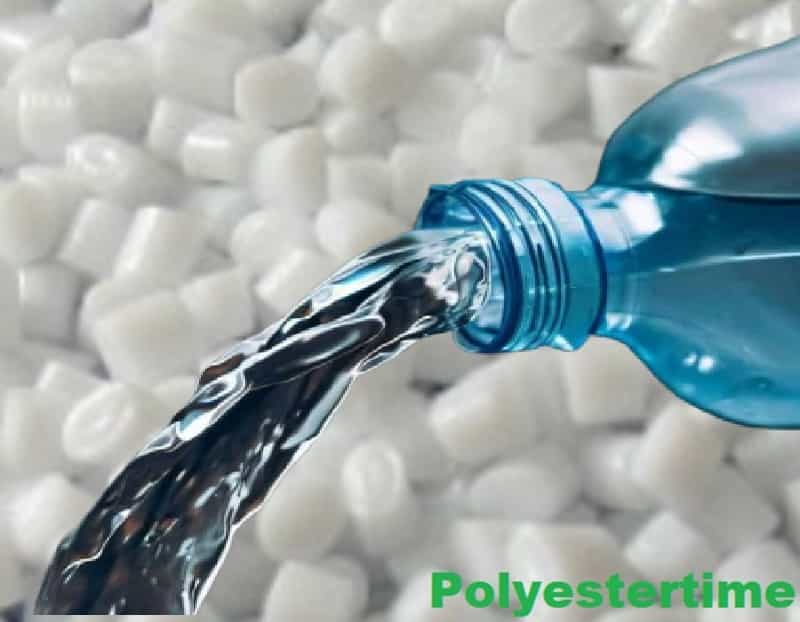
Iran’s PET capacity may cover domestic summer demand, but shipping disruption, energy costs and limited current production data leave supply risks unresolved.

A Chinese industrial team says its coal-processing technology can produce graphene, carbon fibers and other advanced materials. A planned demonstration project could reveal whether its performance and emissions claims hold up at commercial scale.

Researchers have demonstrated a process that converts mixed PET, polyethylene and polypropylene waste into hydrogen with purity above 90%, while retaining most of the plastic’s carbon in solid or liquid products.

MIT engineers have developed a polyethylene-based elastic yarn designed to deliver the strength and flexibility required by stretch clothing without creating the recycling problems associated with conventional spandex blends. Tests suggest the material can be melted and respun repeatedly without a significant loss of performance.
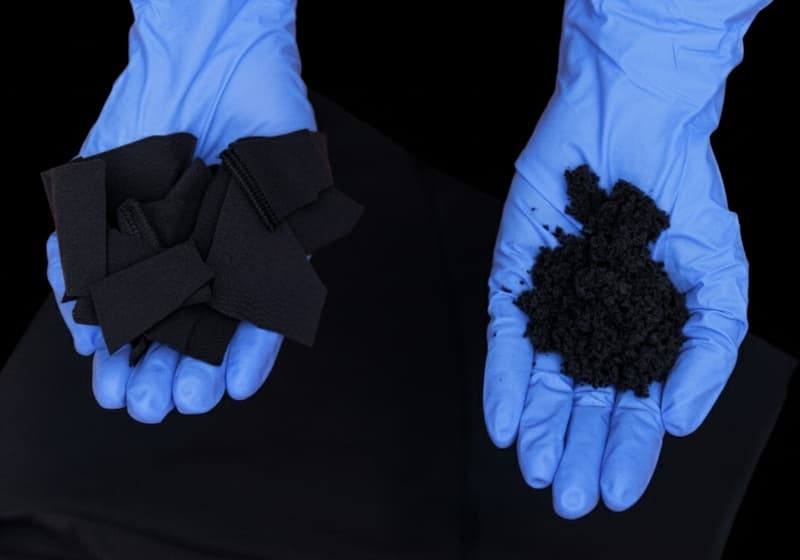
Epoch Biodesign’s acquisition of a nylon 6,6 facility in Blanes gives the biotechnology company commercial polymerisation capacity and creates a potential route from plastic waste to finished recycled polymer.

More than 300 packaging specialists from 66 countries gathered at SACMI in Imola to examine high-speed cap production, automated quality control, digital services and emerging materials for rigid packaging.

Crude oil markets remain volatile as Brent trades near $86/b and WTI hovers around $82/b. This article breaks down the military strikes, Strait of Hormuz shipping risks, inventory data, and OPEC+ policy shaping global energy prices.
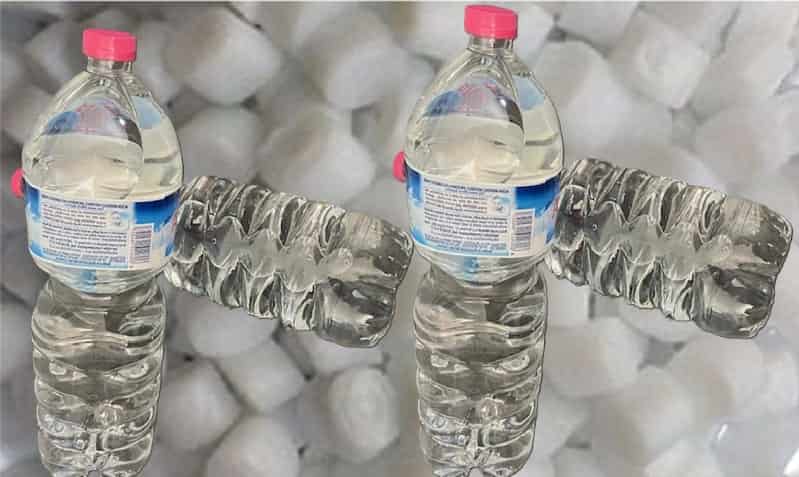
PET bottle recycling in Austria reached 17,101 tonnes in early 2026 as the sector adapted to deposit-system and market pressures.

Engineering plastics are too diverse for a single recycling method. Mechanical processing, solvent separation, depolymerization and thermochemical technologies must work together to recover valuable materials from complex waste.