Powerful Drivers Accelerating the Global PET Bottle Recycling Market Toward 81 Million Tons: 9 Key Forces
The PET bottle recycling market is expanding at an unprecedented pace as governments, manufacturers, and consumers increasingly prioritize circular packaging solutions. Rising plastic consumption combined with stricter environmental policies and corporate sustainability goals is reshaping how plastic packaging is managed globally.
According to recent industry analysis, the PET bottle recycling market reached approximately 24.75 million tons in 2024 and is projected to grow dramatically to 81.44 million tons by 2033. This represents a strong compound annual growth rate of 13.8%, signaling a major structural shift in how plastic packaging is recovered and reused worldwide.
This growth reflects the transformation of PET recycling from a simple waste management activity into a sophisticated global resource recovery industry.
The Transition Toward Circular Packaging Systems
The rapid expansion of the PET bottle recycling market is closely tied to the global transition toward circular economy principles. Rather than treating plastic bottles as disposable waste, governments and industries are increasingly recognizing them as valuable raw materials that can be reintroduced into manufacturing cycles.
Recycled PET, commonly referred to as rPET, is now widely used across multiple industries. Beverage companies increasingly rely on recycled material for bottle-to-bottle production, while manufacturers in textiles and packaging incorporate recycled plastic into a variety of products.
This circular approach helps reduce reliance on virgin petrochemical feedstocks, lowers carbon emissions, and supports sustainability commitments made by major global brands.
As environmental concerns around plastic waste intensify, the PET bottle recycling market continues to gain strategic importance in global packaging supply chains.
Growing Corporate Demand for Recycled PET
One of the strongest growth drivers behind the PET bottle recycling market is the increasing number of corporate commitments to recycled content in packaging.
Global beverage producers and consumer goods companies have announced ambitious sustainability targets requiring higher percentages of recycled material in their packaging portfolios. These commitments are driving strong demand for high-quality food-grade rPET.
Brands are particularly focused on closed-loop recycling, where used PET bottles are collected, processed, and converted back into new beverage containers. This model significantly reduces plastic waste while supporting corporate climate and sustainability strategies.
As these commitments scale across industries, the PET bottle recycling market is expected to experience sustained long-term expansion.
Key Product Streams in PET Recycling
The PET bottle recycling market produces several important material streams that feed different industries.
Recycled PET Flakes
Recycled PET flakes represent approximately 45% of total recycled output. These flakes are commonly used in fibre production, non-food packaging, and industrial plastic applications.
Their versatility and relatively lower processing requirements make flakes one of the most widely traded materials in the PET bottle recycling market.
rPET Pellets and Granules
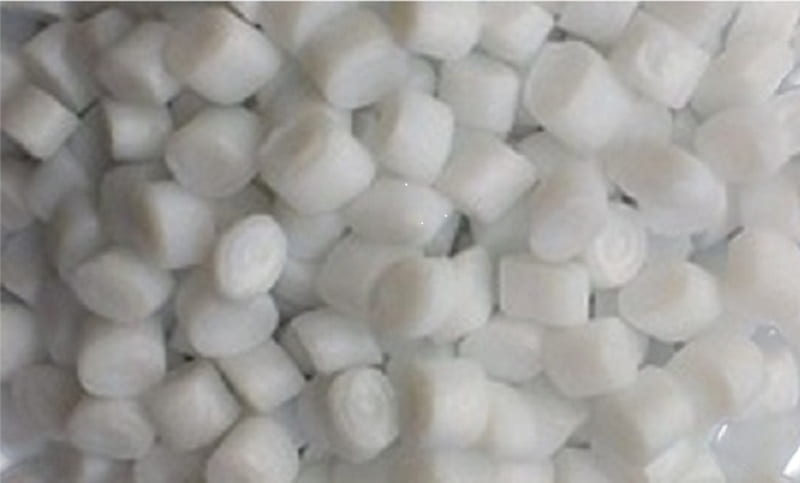
About 35% of recycled PET production consists of pellets or granules. These materials undergo additional purification processes and are often used in higher-quality applications, including food-grade bottle-to-bottle recycling.
Demand for these materials is rising rapidly as beverage companies increase the recycled content of their packaging.
Recycled PET Fibres
The remaining 20% of recycled PET output is converted into fibres. These fibres are widely used in textiles, carpets, automotive components, and insulation materials.
The textile sector in particular represents a major downstream market within the PET bottle recycling market.
Regional Differences in Recycling Strategies
Regional dynamics within the PET bottle recycling market vary significantly depending on industrial structures and policy priorities.
Asia-Pacific
Asia-Pacific plays a dominant role in global recycling volumes. The region focuses heavily on converting recycled PET into flakes for polyester fibre manufacturing, supporting its massive textile industry.
Countries such as China, India, and Southeast Asian nations represent major processing hubs in the global PET bottle recycling market.
Europe and North America
In contrast, Europe and North America are investing heavily in advanced recycling technologies capable of producing food-grade recycled PET.
These regions emphasize closed-loop bottle-to-bottle recycling, supported by strong regulatory frameworks and ambitious recycled content mandates.
Deposit return systems and improved waste collection infrastructure have significantly increased PET bottle recovery rates across several European countries.
Regulation and Policy Accelerating Market Growth
Government policies are playing a crucial role in the expansion of the PET bottle recycling market.
Regulatory measures aimed at reducing plastic waste include:
-
Mandatory recycled content requirements
-
Plastic packaging taxes
-
Deposit return systems for beverage containers
-
Extended producer responsibility programs
These initiatives encourage higher collection rates and stimulate investment in recycling infrastructure.
As more governments implement circular economy legislation, the PET bottle recycling market will likely experience further acceleration.
Technology and Automation Reshaping Recycling
Technological innovation is also transforming the PET bottle recycling market.
Modern recycling facilities increasingly rely on advanced optical sorting systems, artificial intelligence, and automated waste separation technologies. These tools help identify different types of plastics, remove contaminants, and improve the overall quality of recycled materials.
Automation is particularly important for addressing one of the industry’s biggest challenges: contamination in plastic waste streams.
Cleaner feedstock allows recycling plants to produce higher-quality rPET suitable for demanding applications such as food packaging.
Persistent Challenges Facing the Industry
Despite its strong growth outlook, the PET bottle recycling market still faces several structural challenges.
Collection systems in many regions remain inefficient, limiting the supply of recyclable materials. Contamination in plastic waste streams can also reduce recycling efficiency and increase processing costs.
Additionally, building advanced recycling facilities requires substantial capital investment, which can slow expansion in emerging markets.
However, ongoing improvements in collection infrastructure and sorting technology are gradually addressing these barriers.
A Key Pillar of the Global Circular Economy
Looking ahead, the PET bottle recycling market is expected to play a central role in the development of global circular packaging systems.
With recycled PET increasingly replacing virgin plastic in packaging, textiles, and industrial products, the sector is becoming a crucial component of sustainable material supply chains.
As regulatory pressure, corporate commitments, and technological innovation converge, the PET bottle recycling market is positioned to remain one of the fastest-growing segments of the global recycling industry through the next decade.
More…