Oil Price Volatility in 2026: Brent Falls Below $90 After War Fears Ease but Global Energy Markets Remain on Edge
Oil Price Volatility in 2026: Brent and WTI Shift Between $85 and $100 as Geopolitics Shake Energy Markets
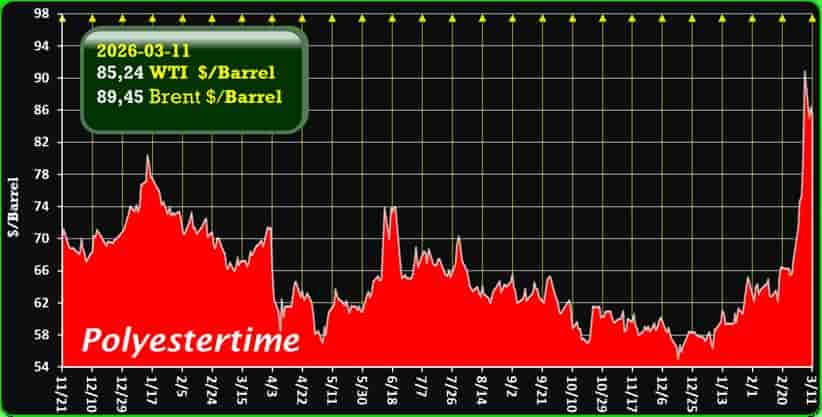
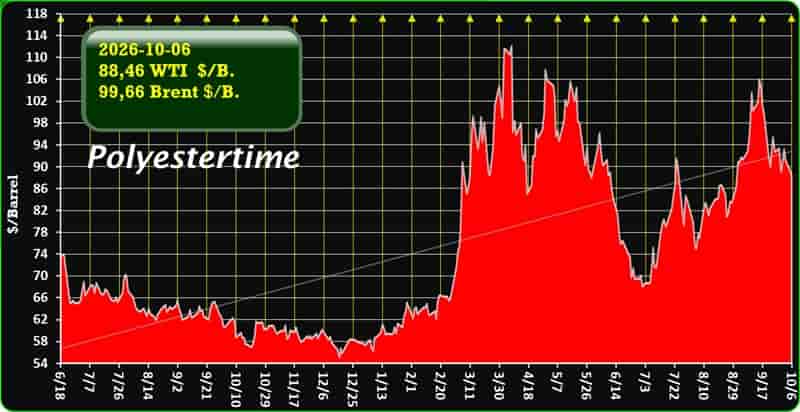
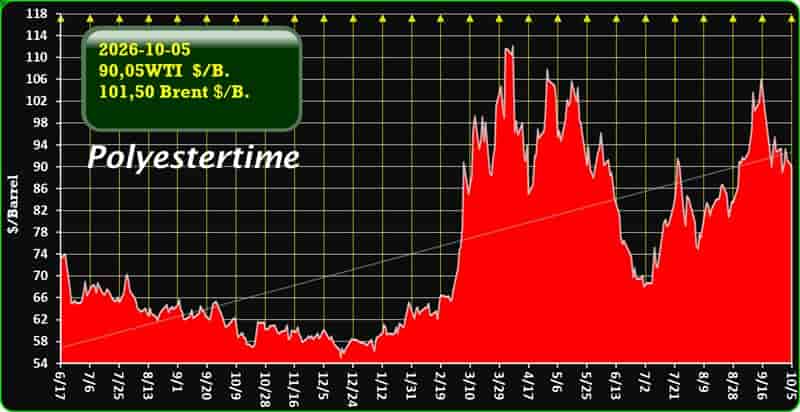
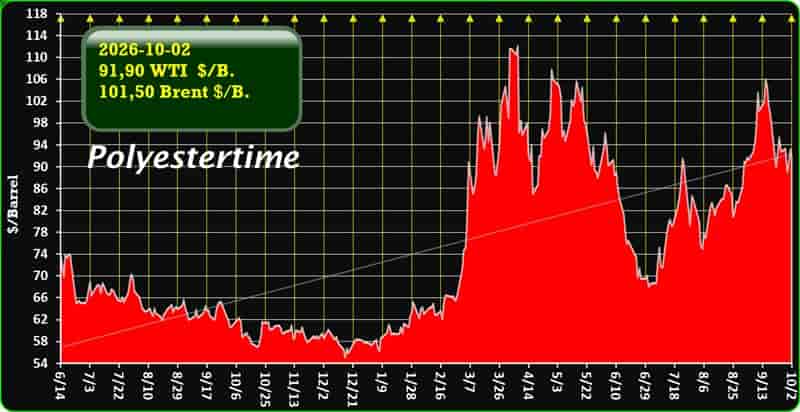
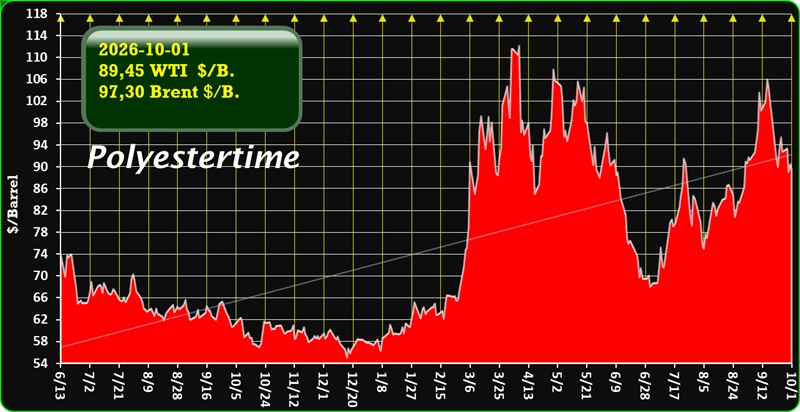
The oil price environment in March 2026 remains one of the most volatile energy market periods in recent years. Brent crude, the global benchmark, is currently fluctuating between $90 and $100 per barrel, while the U.S. benchmark WTI trades roughly in the $85–$95 range.
After briefly surging above $110 earlier this month amid escalating tensions in the Middle East, the oil price has retreated slightly as markets digest new geopolitical developments and potential government interventions.
Despite the recent pullback, analysts warn that structural supply risks and geopolitical tensions could keep the oil price elevated through the coming weeks.
Current Oil Price Snapshot (March 11, 2026)
| Benchmark | Price Range (USD/bbl) | Market Trend | Key Drivers |
|---|---|---|---|
| Brent crude | $90 – $100 | Volatile | Middle East tensions, supply disruptions |
| WTI crude | $85 – $95 | Volatile | U.S. inventories, geopolitical risk |
| Murban crude | ~$102 | Elevated | Gulf export concerns |
Recent trading sessions show sharp swings. Brent crude dropped toward $89–$91 per barrel after news that tensions around the Strait of Hormuz may ease, while WTI briefly fell near $86 per barrel following diplomatic signals from Washington.
These movements illustrate how quickly sentiment can shift in today’s energy markets.
Geopolitical Risks Are Driving the Oil Price
The biggest factor influencing the oil price right now is geopolitics. Tensions involving the United States, Israel, and Iran have raised fears about potential disruptions in the Strait of Hormuz, one of the world’s most critical oil transit routes.
Nearly 20% of global oil supply passes through the Strait, making any disruption a major threat to global energy markets.
At one point earlier this month, Brent surged close to $120 per barrel amid fears that shipping routes could be blocked or severely disrupted.
Although diplomatic signals suggesting a possible de-escalation have pushed the oil price lower in recent days, traders remain cautious.
Strategic Petroleum Reserves: A Temporary Buffer
Another key theme influencing the oil price is the potential release of emergency reserves.
The International Energy Agency (IEA) and G-7 countries are considering coordinated releases from strategic petroleum reserves to stabilize markets and offset supply disruptions.
However, analysts warn that reserve releases have limited impact because they cannot fully replace large supply losses. For example:
| Factor | Estimated Impact |
|---|---|
| Oil passing through Hormuz daily | ~20 million barrels |
| Potential reserve release capacity | ~4.4 million barrels/day |
| Expected supply shortfall | up to 12 million barrels/day |
Even the largest coordinated reserve release in history would only cover a fraction of the disrupted supply.
This means that while reserves can calm markets temporarily, they cannot fundamentally change the global oil price trend.
OPEC+ Strategy and Global Supply
Beyond geopolitics, supply decisions from OPEC+ continue shaping the oil price outlook.
The producer alliance has largely paused production increases into early 2026, signaling its intent to maintain market stability and prevent prices from falling too quickly.
At the same time, supply from non-OPEC producers such as the United States, Brazil, and Guyana remains strong. Some analysts warn this could eventually create an oversupply in global markets, especially if demand growth slows.
This delicate balance between tight supply in the short term and potential oversupply later is contributing to ongoing oil price volatility.
Investor Sentiment: Nervous but Opportunistic
Energy traders and investors remain highly sensitive to news developments.
Recent events triggered dramatic market swings:
-
Brent surged nearly 30% in a single session during peak geopolitical tension.
-
Global stock markets fell sharply as oil surged and inflation fears intensified.
-
Prices then retreated once diplomatic signals suggested the conflict might ease.
This rapid fluctuation highlights the fragile balance between supply concerns and economic stability.
For investors, the oil price has become one of the most important indicators of global economic risk.
Oil Price Impact on the Global Economy
Rising energy costs are already feeding into inflation expectations worldwide.
Economic institutions warn that sustained high oil prices could:
-
Push inflation higher across developed economies
-
Delay interest-rate cuts by central banks
-
Increase transportation and manufacturing costs
Some economists estimate that energy market disruptions could push inflation higher again in 2026 if tensions persist.
For energy-importing economies, this could slow economic recovery.
Short-Term Oil Price Outlook
Looking ahead, the short-term oil price outlook depends largely on three factors:
-
Geopolitical stability in the Middle East
-
Strategic reserve releases by major economies
-
Production policy decisions from OPEC+
If tensions around the Strait of Hormuz ease and global supply flows stabilize, Brent could settle in the $85–$95 range over the next few weeks.
However, if disruptions persist or escalate, analysts warn the oil price could quickly move back above $110 per barrel.
Final Takeaway
The oil price in March 2026 reflects a market caught between geopolitical risk and structural supply dynamics.
With Brent hovering near $90–$100 and WTI around $85–$95, the oil market remains highly sensitive to news from the Middle East, OPEC+ policy decisions, and global economic data.
In the short term, volatility is likely to remain the defining feature of energy markets. For governments, investors, and industries worldwide, the oil price will remain a critical signal shaping economic expectations and energy strategy throughout 2026.
More…