Smart Pyrolysis Recycling Delivers 5 Major Breakthroughs for Polyurethane Circular Economy Transition
Smart Pyrolysis Recycling Delivers 5 Major Breakthroughs for Polyurethane Circular Economy Transition
The global chemicals sector is accelerating its shift toward circular manufacturing models, and smart pyrolysis recycling is emerging as one of the most promising technologies enabling this transformation. A new partnership between materials manufacturer Covestro and the Fraunhofer Institute for Environmental, Safety and Energy Technology UMSICHT marks an important step in scaling this technology toward industrial use.
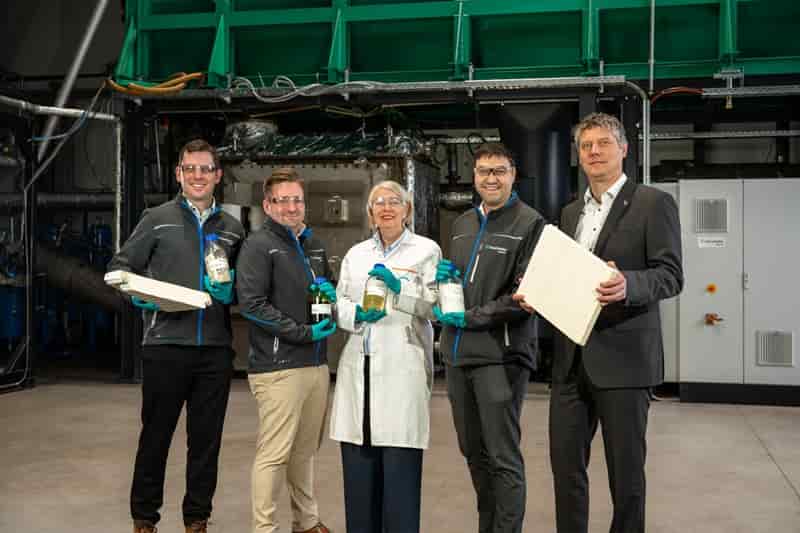
The two organizations have signed an agreement to operate a pioneering pilot plant dedicated to recycling rigid polyurethane foam waste using smart pyrolysis recycling. The facility will process approximately 2 kilotons of end-of-life foam per year and is scheduled to begin operations in 2028.
By transforming insulation waste into high-purity aniline, the plant will enable the production of methylene diphenyl diisocyanate (MDI), a key building block used in polyurethane insulation materials. The project represents a significant milestone in developing circular solutions for one of the chemical industry’s most challenging waste streams.
Scaling Smart Pyrolysis Recycling Toward Industrial Application
The agreement signals an important transition from laboratory research to real industrial implementation of smart pyrolysis recycling. Covestro has spent several years developing the proprietary technology, and the pilot facility will serve as the next stage in validating its commercial potential.
Rigid polyurethane insulation foams are widely used in construction, appliances, and refrigeration systems. However, their crosslinked molecular structure makes them extremely difficult to recycle through conventional mechanical processes.
Through smart pyrolysis recycling, these complex polymer networks are thermochemically broken down under controlled conditions. The process separates and recovers valuable chemical molecules that can re-enter industrial production chains.
This innovative recycling route transforms polyurethane waste from a disposal challenge into a valuable secondary raw material source for the chemical industry.
Producing High-Purity Recycled Aniline for Sustainable MDI
A key objective of the pilot plant is producing recycled aniline with extremely high purity levels. The smart pyrolysis recycling technology developed by Covestro and Fraunhofer UMSICHT can generate aniline with purity close to 99 percent.
This level of purity makes it suitable for direct use in the production of MDI without compromising quality standards or performance. MDI is a critical chemical used in rigid polyurethane foams that provide thermal insulation in buildings, refrigerators, and industrial cooling systems.
The recycled MDI produced using smart pyrolysis recycling meets the same quality specifications as conventional fossil-based MDI. At the same time, lifecycle analyses indicate the production route can reduce the carbon footprint of MDI by up to 40 percent.
Such reductions are increasingly important as chemical manufacturers face growing regulatory pressure and market demand for lower-carbon materials.
Supporting the Growing Demand for Energy-Efficient Insulation
The expansion of smart pyrolysis recycling technology comes at a critical time for the European insulation market. Demand for polyurethane insulation is expected to grow significantly as countries implement stricter energy efficiency standards for buildings and appliances.
Industry projections suggest the European rigid foam MDI market could expand from about 1,400 kilotons in 2025 to nearly 1,900 kilotons by 2035. This growth reflects the increasing role of insulation materials in reducing energy consumption and greenhouse gas emissions.
However, greater use of polyurethane insulation also leads to larger volumes of waste once these materials reach the end of their lifecycle. Finding scalable recycling solutions for this waste is becoming a major priority.
Smart pyrolysis recycling offers a viable pathway by recovering valuable chemical intermediates from waste materials that would otherwise be lost.
From EU Research Project to Industrial Pilot Facility
The technological development behind the new plant builds on extensive research conducted through the CIRCULAR FOAM project, a flagship European initiative dedicated to sustainable polyurethane recycling.
This collaborative project brought together more than twenty partners from industry and research institutions across Europe. Early laboratory studies and mini-plant demonstrations confirmed the technical feasibility of smart pyrolysis recycling, paving the way for larger industrial trials.
Fraunhofer UMSICHT will play a central role in scaling the technology. The institute will use its expertise in thermochemical conversion technologies, pyrolysis engineering, and chemical recycling processes to implement and optimize the pilot facility.
The plant will provide valuable data for process optimization while producing recycled materials that can be tested for further industrial applications.
Enabling Circular Polyurethane Supply Chains
Beyond technological innovation, the project highlights the growing importance of circular supply chains in the chemical industry. By recovering valuable molecules from waste insulation materials, smart pyrolysis recycling helps close the loop for polyurethane production.
The recycled aniline produced at the facility can be reintegrated into MDI manufacturing and eventually used again in new insulation materials.
In practical terms, the annual output of recycled aniline could provide enough feedstock to produce insulation materials for approximately 200,000 refrigerators. This demonstrates the potential scale and impact of chemical recycling technologies when applied to industrial waste streams.
Toward a Circular Future for Chemical Manufacturing
The launch of the pilot facility reflects increasing momentum behind advanced recycling technologies across Europe’s chemical sector. As environmental regulations tighten and sustainability targets become more ambitious, solutions such as smart pyrolysis recycling are likely to become central to the industry’s future.
If the pilot plant proves successful, the technology could be expanded into larger commercial facilities capable of processing much higher volumes of polyurethane waste.
By combining Covestro’s industrial chemistry expertise with Fraunhofer UMSICHT’s research and engineering capabilities, the partnership demonstrates how collaborative innovation can accelerate the transition toward a circular chemicals economy.
More…