PET Chips Bottle Grade – PET Chips Bottle Grade Explained: High-Performance Polyethylene Terephthalate Solutions for Water, Oil, Carbonated Drinks, and Sustainable Packaging Applications 14-12-2025
PET Chips Bottle Grade
PET chips (polyethylene terephthalate) bottle grade
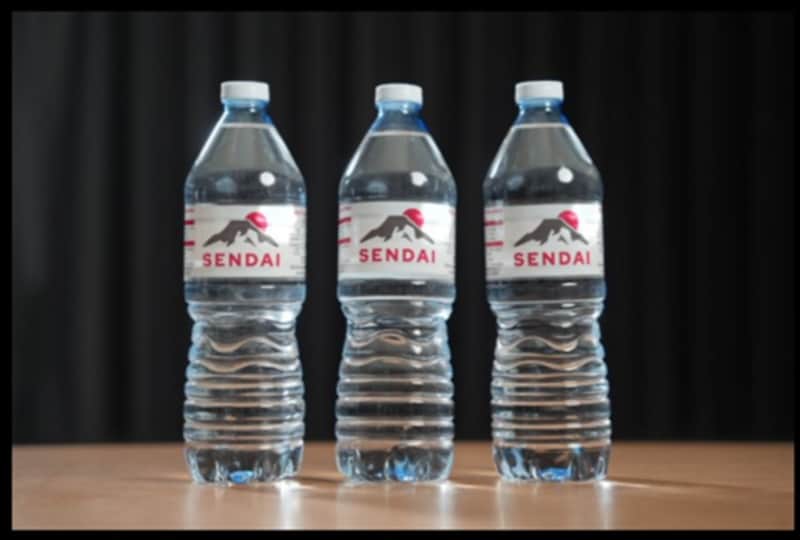
PET chips (polyethylene terephthalate) are the primary raw material for manufacturing plastic bottles and come in various grades tailored for different uses like water, oil, or carbonated drinks. They are available from a variety of global suppliers as both virgin and recycled (rPET) material. PET Chips Bottle Grade
Types and Applications
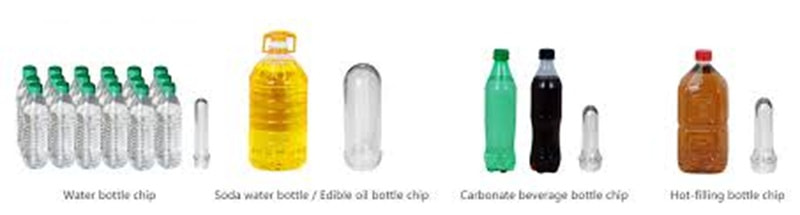
PET chips are highly versatile, with specific grades formulated for different packaging requirements, primarily distinguished by their intrinsic viscosity (IV).
- Water Bottle Grade (IV ~0.80): This is the standard choice for typical pure and mineral water bottles, balancing processing performance, strength, and economy.
- Carbonated Soft Drink (CSD) Grade (IV ~0.85-0.88): This grade has a slightly higher IV to provide the extra strength needed to withstand the internal pressure of carbonated beverages. PET Chips Bottle Grade
- Hot-Fill Bottle Grade (IV ~0.76-0.79): Designed for bottles that need to withstand high temperatures during the hot-filling and sterilization processes used for juices and teas. PET Chips Bottle Grade
- Oil Bottle Grade (IV ~0.83-0.85): Suitable for packaging cooking oils and condiments, offering specific barrier properties against oils and other chemicals. PET Chips Bottle Grade
- Recycled PET (rPET) Chips: Made from post-consumer PET waste, these chips are processed into high-purity, food-grade material suitable for a wide range of new bottles, reducing environmental impact and supporting sustainability goals.
Key Properties
- Clarity and Transparency: PET chips produce bottles with a glass-like transparency that enhances product visibility.
- Strength and Durability: Despite being lightweight, PET offers high impact resistance and mechanical strength, preventing breakage during transport and handling.
- Barrier Properties: The material provides a good barrier against oxygen, carbon dioxide, and moisture, which helps preserve product freshness and extend shelf life.
- Safety: Health and safety agencies worldwide have approved food-grade PET as safe for use with food and beverages, as it is chemically inert and does not contain BPA.
More…