PET Preform – Next-Gen Military Textiles: The Rise of Smart Uniforms with Embedded Sensors Introduction: When Uniforms Go Beyond Fabric In a world where technology continues to redefine the limits of what’s possible, the battlefield is no exception 01-07-2025 - Archive
PET Preform
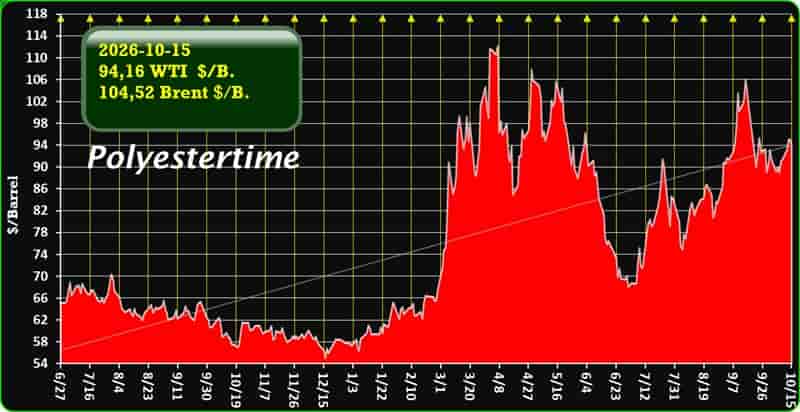
Crude Oil Prices Trend

Revolutionizing PET Preform Inspection: Sacmi’s AI-Powered Vision Systems
A New Era of Smart Manufacturing
At the 10th Injection, Blow Moulding & PET International Business Summit 2025 in Mumbai, Sacmi Group showcased a groundbreaking advancement in PET preform inspection. Represented by Massimo Gani, sales specialist for the Rigid Packaging Business Unit, the company spotlighted its AI-driven vision systems that promise to redefine efficiency, quality, and automation in plastic packaging manufacturing.
In an increasingly competitive and sustainability-conscious packaging industry, Sacmi’s technology stands as a beacon of innovation, leveraging artificial intelligence (AI) to enable real-time defect detection, smart diagnostics, and adaptive process control—a step beyond traditional inspection systems. PET Preform
Global Legacy, Local Presence
Founded in Italy and now operating with a workforce of 5,000 employees and an annual turnover nearing €2 billion, Sacmi is a global leader across multiple sectors. These include:
- Ceramics manufacturing
- Chocolate processing
- Intralogistics systems
- Rigid packaging solutions
India plays a strategic role in Sacmi’s global roadmap. With three regional offices, including a rigid packaging technology center in Mumbai, Sacmi continues to strengthen its footprint in one of the world’s fastest-growing packaging markets.
Rigid Packaging: Turnkey Production Expertise
Sacmi’s rigid packaging division has earned a strong reputation for delivering end-to-end manufacturing lines for:
- Plastic and metal closures PET Preform
- PET preforms
- Containers
These lines integrate in-house innovations, particularly in compression and injection molding, ensuring compatibility and performance across the board.
But what sets Sacmi apart is its proprietary vision inspection technology, designed to seamlessly blend with its molding systems—streamlining production and elevating quality assurance.
Next-Gen Vision Systems for Preform Inspection
Sacmi now offers a comprehensive range of PET preform inspection systems, tailored to various manufacturing environments:
- Inline systems for real-time, integrated quality control
- High-speed offline units for bulk batch analysis PET Preform
- Low-speed offline systems for sampling and spot checks
These systems are built for minimal operator intervention and maximum uptime, supporting manufacturers in reducing manual workload and operational overhead.
AI at the Core: More Than Just Defect Rejection
One of the key differentiators of Sacmi’s technology is its intelligent defect detection system. Unlike legacy inspection tools that simply reject faulty items, Sacmi’s AI vision systems act as diagnostic assistants on the factory floor.
Key features include:
- Root cause analysis: Pinpoints why a defect occurred, helping technicians take corrective measures.
- Predictive insights: Detects patterns and prevents recurrence.
- Automatic format adaptation: Switches seamlessly between product formats without manual recalibration.
- Real-time feedback: Delivers immediate, actionable insights during production. PET Preform
As Gani emphasized, the system’s capability to self-adjust during format changes means less downtime and higher consistency—a huge win in high-throughput environments.
Faster Innovation Cycles with AI
A standout example shared during the summit involved Sacmi’s application of these vision systems beyond PET. In the chocolate industry, engineers faced a complex inspection challenge that traditionally would have taken months to resolve.
With AI-based vision tech, the solution was developed in a matter of days.
This agility not only improves productivity but also enables rapid customization across industries—offering manufacturers a powerful, cross-sector tool to enhance quality control.
Minimizing Waste, Maximizing Quality
From a sustainability and cost perspective, Sacmi’s AI systems bring tremendous value:
- Reduced material waste through precision detection
- Lower production costs by eliminating human error
- Enhanced product quality, preserving brand integrity PET Preform
- Better traceability, supporting compliance and audits
By helping manufacturers maintain high standards without excessive rework or over-inspection, Sacmi contributes directly to more sustainable and efficient production models.
A Strategic Fit for India’s Tech Ecosystem
In his closing remarks, Gani highlighted that India’s prowess in software and AI development makes it a natural home for intelligent vision technology adoption. The country’s growing pool of engineering talent, coupled with a vibrant manufacturing sector, offers fertile ground for Sacmi’s advanced inspection solutions.
He stressed that manufacturers should view these systems not as optional tools, but as strategic partners in their digital transformation journeys. PET Preform
What’s Next: Predictive AI and Autonomous Quality Control
Looking to the future, Sacmi is actively investing in advanced AI models that go beyond detection to enable predictive maintenance and autonomous classification.
Upcoming capabilities include:
- Proactive defect prevention before issues escalate
- Continuous machine learning from inspection data
- Cloud integration for centralized performance tracking
- Edge computing for real-time data processing on-site
These enhancements aim to give plant managers unprecedented control over quality workflows while minimizing human dependency and response lag. PET Preform
Seamless Integration Into Industry 4.0
Sacmi’s vision systems are fully compatible with Industry 4.0 frameworks, offering plug-and-play integration with:
- MES (Manufacturing Execution Systems)
- ERP systems
- IoT platforms
- Digital twins
Manufacturers can consolidate operational data, inspection analytics, and production insights into a centralized dashboard, unlocking new levels of efficiency and transparency.
Mobile-First Design and Web Integration
From a digital infrastructure standpoint, Sacmi ensures that its software platforms—used for configuring and managing vision systems—are mobile-friendly and web-optimized. This guarantees accessibility for factory supervisors and quality managers from any device, supporting real-time decision-making even on the go. PET Preform
In line with Google’s Core Web Vitals recommendations, Sacmi’s digital tools prioritize:
- Fast load times
- Responsive layouts
- Smooth interactions
- Stable content rendering
This mobile-first strategy aligns well with the operational needs of modern manufacturers managing multi-line, multi-location operations. PET Preform
Real-Time Reporting and Analytics
One of the key enablers of production optimization is data visualization. Sacmi’s AI vision systems come with robust reporting modules that provide:
- Live dashboards showing defect trends
- Batch-wise inspection summaries
- Custom alerts for anomaly detection
- Historical performance metrics for auditing
With intuitive color-coded heatmaps and downloadable reports, plant teams can respond quickly to issues while tracking long-term process improvements.
Customization for Every Production Scenario
Whether you’re producing 10,000 preforms per hour or conducting quality audits on niche product lines, Sacmi offers scalable vision solutions. The modular nature of its systems means manufacturers can start with a basic offline unit and expand to a fully integrated AI-powered quality ecosystem as business needs grow. PET Preform
In addition, the company’s strong after-sales support and remote diagnostics services ensure consistent uptime and faster troubleshooting worldwide.
Final Takeaways: Why Sacmi Stands Out
To summarize, here’s what makes Sacmi’s AI-enabled vision systems a compelling choice for PET preform manufacturers:
| Feature | Benefit |
|---|---|
| ? AI-powered root cause analysis | Reduces downtime and waste |
| ? Auto-format switching | Increases line flexibility |
| ? Real-time insights | Empowers immediate corrective action |
| ? Scalable and modular | Fits all production sizes |
| ? Predictive capabilities | Prevents defects before they happen |
| ? Mobile-ready interface | Enables anywhere, anytime access |
In the era of smart factories, Sacmi’s technology goes beyond inspection—it becomes an intelligent layer of manufacturing insight, accountability, and performance excellence.
Learn More
Ready to bring your PET preform inspection into the future? Visit Sacmi’s website to explore how AI-powered vision systems can drive efficiency, sustainability, and competitive edge in your packaging operations. PET Preform

? Hubei’s 30,000-Ton Power Battery Recycling Project Transforms Industry
The power battery recycling industry in China is undergoing rapid expansion, driven by environmental mandates, strategic supply chain initiatives, and economic opportunities. At the center of this movement is Hubei’s groundbreaking 30,000-ton recycling project, setting a new benchmark for innovation and sustainability. PET Preform
The Circular Economy Imperative
As the first wave of electric vehicle (EV) batteries approaches end-of-life, China is projected to generate over 2.5 million tons of retired lithium-ion batteries by 2030. This reality has created both an environmental challenge and a powerful economic opportunity.
- Government regulations now require manufacturers to implement traceable recycling systems.
- Strategic concerns around critical mineral supply chains are pushing domestic material recovery.
- China’s 2025 policy frameworks are promoting structured private investment into battery recycling.
“Battery recycling isn’t just environmentally sound—it’s becoming economically essential,” says Dr. Li Wei, China Renewable Energy Institute.
Hubei’s 30,000-Ton Recycling Project: A Technological Leap
Located in Hubei Province, this state-of-the-art facility features five automated production lines managed by intelligent systems that enable real-time monitoring of recovery rates, emissions, and energy use. PET Preform
Project Highlights:
- Annual capacity: 30,000 tons of lithium batteries
- Estimated lithium compound recovery: 3,000+ tons
- Smart automation with low environmental impact
- Creation of 200+ skilled jobs
- Emissions reduced by up to 70% versus primary extraction
Nationwide Expansion of Recycling Facilities
Hubei is not alone in this surge. Provinces like Jiangxi, Fujian, and Guizhou are also launching high-capacity facilities:
- Jiangxi: Scaling to 10,000 tons with sodium-ion cathode line
- Hegang: Dual-phase facility targeting 18,000 tons PET Preform
- Fujian: 25,000-ton integrated plant recovering multiple materials
- Suzhou: R&D hub for regenerated LFP cell testing
- Guizhou: Massive 450,000-ton LFP precursor campus
Innovation in Battery Recycling Technology
1. MIDR Low-Carbon Direct Recycling
A pilot in Tianjin is trialing Mechanically Initiated Direct Recycling (MIDR), a low-energy method ideal for LFP batteries, which dominate China’s EV market.
2. Integrated Recycling + Production Systems
Newer plants are evolving from raw recovery to full material reintegration, producing cathode materials, metals, graphite, and electrolyte components in one location.
3. Smart Retrofitting for Efficiency
Sichuan’s 100,000-ton project demonstrates how existing infrastructure is being modernized for higher efficiency, particularly in processing recycled inputs.
Government Backing and Regulation PET Preform
Public support is a major growth catalyst. Guangzhou’s 2025 plan offers funding for:
- Collection and sorting system innovation
- Advanced recovery technologies
- Quality control for recycled materials
Meanwhile, regulatory formalization through Environmental Impact Assessments (EIAs) ensures transparency and environmental compliance nationwide.
Economic Viability of Battery Recycling
Value Recovery Potential:
- Cobalt/Nickel: 95–98% recovery
- Lithium: 70–80%
- Copper/Aluminum: Nearly 100%
- Estimated value of black mass: $3,000–7,000/ton PET Preform
Diverse Investment Opportunities:
- Large-scale: 2-billion-yuan Hubei facility
- Mid-size: 210-million-yuan Jiangxi expansion
- Pilot tech: 3-million-yuan Tianjin MIDR project
Recycling Fuels Broader Technological Innovation
Recycling drives R&D in adjacent sectors such as:
- AI-based sorting and non-destructive testing
- Material purification and secondary battery design
- Energy efficiency for both primary and secondary production
Battery designs are now being optimized for easier disassembly and reuse, closing the loop on production and sustainability. PET Preform
Frequently Asked Questions
What batteries are being recycled?
Primarily LFP (lithium iron phosphate) batteries used in EVs and energy storage. Some facilities also process NMC and LCO batteries.
How does recycling support sustainability?
- Reduces mining of lithium, cobalt, and nickel
- Prevents pollution from hazardous waste
- Cuts carbon emissions by 60–70%
- Supports closed-loop circular economy PET Preform
What is black mass?
It’s a fine material derived from shredded batteries that contains valuable metals. It’s further refined to extract pure components for reuse.
Is recycling cheaper than mining?
Yes, especially for cobalt and nickel. For LFP, economics improve with scale and integration. As mining costs rise, recycling becomes even more competitive.
Conclusion
With technological innovation, supportive policies, and increasing economic incentives, China is rapidly emerging as a global leader in power battery recycling. Projects like the Hubei 30,000-ton facility are not only solving environmental challenges—they’re building the foundation for a more resilient, circular energy economy. PET Preform

? Titanium Slag Market Struggles Amid Deepening Supply-Demand Imbalance
Overview: A Market Stuck in the Doldrums
The titanium slag market is facing a challenging and prolonged period of weakness. Despite stable price quotes in recent days, industry fundamentals continue to erode under the weight of weak downstream demand and oversupply issues. Data as of June 27, 2025, paints a clear picture of a stagnant pricing environment and increasing strain on producers.
Price Stability Masks Structural Fragility
According to the latest report from SMM (Shanghai Metals Market), the tender price for 90% low-calcium magnesium high-titanium slag in northern China was quoted at 6,690–7,000 yuan/mt. Similarly, mainstream quotations for acid-soluble titanium slag remained steady at 4,650 yuan/mt in Yunnan and 5,820–5,870 yuan/mt in Sichuan. These figures have barely shifted compared to previous working days, suggesting a market in pause—but not in recovery. PET Preform
This temporary stability, however, masks deeper structural problems. Despite holding prices, producers are struggling with mounting inventories, low turnover, and reduced buyer interest.
Demand Erosion in Titanium Dioxide Sector
At the heart of the problem lies the titanium dioxide industry, the largest consumer of titanium slag. Demand from this sector has been contracting, with procurement volumes down 20% year-on-year. Compounding the issue, operating rates among titanium dioxide producers have fallen below 65%, leaving fewer buyers in the market and tightening liquidity for slag producers.
This contraction in end-user consumption has rippled upstream, causing sluggish turnover for titanium slag and creating financial headaches for producers stuck with unsold material. PET Preform
Inventory Surge: A Symptom of Market Malaise
One of the most alarming indicators of the market’s weakness is the surge in inventory held by slag producers. According to survey data from industry observers:
- Inventory turnover days for major producers have jumped to approximately 25 days
- This represents a 40% increase compared to normal operational levels
- Several enterprises are now approaching inventory overstocking thresholds
This bloated inventory reflects a clear misalignment between supply and real-time demand, putting further pressure on pricing and margins. For many producers, storage costs and cash flow challenges are becoming unsustainable. PET Preform
Financial Losses Mount Across the Industry
This growing imbalance has led to an increasingly dire financial outlook. Over 60% of titanium slag producers are now operating at a loss, due in part to what industry insiders describe as a “high purchase, low sales” paradox.
In simple terms, producers are locked into higher-cost input materials or operational costs, while being unable to sell their output at prices that cover those expenses. This model is not only unsustainable—it is actively driving some players toward potential insolvency or shutdown.
Short-Term Outlook: No Relief in Sight
Looking ahead, there appears to be little to suggest that relief is imminent. Unless a catalyst emerges to revive demand—such as a rebound in global construction, coatings, or plastics sectors that rely on titanium dioxide—prices are expected to remain subdued. PET Preform
In the absence of policy intervention, new trade dynamics, or innovation in downstream consumption, the titanium slag market is likely to remain under pressure in the coming quarter. For producers, the goal has shifted from growth to survival.
Global Implications: China’s Influence on the Market
As the world’s largest producer and consumer of titanium slag, China’s internal market conditions have broad implications for global pricing and supply chain strategies.
- Buyers in international markets are watching China’s inventory buildup closely.
- Foreign producers may feel the squeeze from cheaper Chinese exports.
- Competitiveness of western titanium slag producers could erode if current pricing trends continue.
Global markets should prepare for potential downstream pricing wars, import-export tariff considerations, and shifts in procurement strategy as Chinese producers look outward to offload excess supply. PET Preform
Key Data Summary (As of June 27, 2025)
| Metric | Value | Region |
|---|---|---|
| Tender Price (90% Low-Cal Mg High Ti Slag) | 6,690–7,000 yuan/mt | North China |
| Acid-Soluble Ti Slag Price | 4,650 yuan/mt | Yunnan |
| Acid-Soluble Ti Slag Price | 5,820–5,870 yuan/mt | Sichuan |
| Operating Rate (TiO₂ Producers) | < 65% | National |
| YoY Decline in TiO₂ Procurement | ~20% | National |
| Inventory Turnover Days | ~25 days | Key Producers |
| Producers Operating at a Loss | > 60% | National |
For Producers:
- Cost Rationalization: Review and optimize raw material sourcing and operational efficiency. PET Preform
- Inventory Management: Implement strategic stock controls to avoid overstocking and maintain liquidity.
- Diversification: Explore alternative markets or secondary applications for titanium slag.
For Buyers:
- Contract Negotiation: Leverage weak pricing to secure long-term contracts at favorable terms.
- Stockpiling: Consider opportunistic procurement while prices are low.
- Quality Focus: Ensure consistent slag quality despite market turbulence to avoid processing issues. PET Preform
For Investors:
- Risk Management: Be cautious about exposure to titanium-related commodities or mining stocks.
- Market Entry Timing: Consider timing entries when signs of demand recovery materialize.
- Policy Watch: Monitor any government intervention or stimulus programs that could affect the market trajectory.
Technology & Innovation: A Ray of Hope?
While short-term pressures dominate the headlines, technology and innovation could offer long-term solutions. Emerging applications of titanium slag in advanced ceramics, road construction, or pigment alternatives may provide new sources of demand. PET Preform
Additionally, R&D in recycling titanium-bearing waste or upgrading slag into high-value materials might open new revenue streams. Industry cooperation and academic partnerships will be crucial to unlocking these opportunities.
Web Optimized for Mobile Readers
For WordPress publishers and blog managers, ensuring this content is mobile-first and fast-loading is key to visibility and reader retention. To pass Google’s Core Web Vitals:
- Use responsive themes that adapt to all screen sizes.
- Ensure font sizes are legible (minimum 16px) and line spacing is comfortable.
- Optimize images (if used) with modern formats like WebP.
- Implement lazy loading for content below the fold. PET Preform
- Minimize third-party scripts and ensure fast time-to-interactive.
- Use structured headings (H2, H3) to guide readers and boost SEO.
Conclusion: Market Patience Will Be Tested
The titanium slag sector is in the midst of a stress test, caught between weakening downstream demand and bloated upstream inventories. Unless external support materializes or the titanium dioxide industry revives, prices are unlikely to recover meaningfully in the short term.
For now, the market remains in the doldrums—flat, uncertain, and financially punishing for most producers.
The path forward will require strategic discipline, innovation, and patience, as the titanium market seeks its next growth catalyst. PET Preform

Next-Gen Military Textiles: The Rise of Smart Uniforms with Embedded Sensors
Introduction: When Uniforms Go Beyond Fabric
In a world where technology continues to redefine the limits of what’s possible, the battlefield is no exception. The uniform—a staple of military identity and protection—is undergoing a profound transformation. Thanks to groundbreaking research in South Korea, the humble uniform is evolving into a smart, responsive, and data-rich platform that could change the face of modern military operations.
This revolution hinges on the advent of electronic textiles (E-textiles)—fabrics that aren’t just worn but compute, sense, and communicate. With sensors and flexible circuitry embedded directly into fibers, these new uniforms promise real-time insights into a soldier’s movement, posture, and even physiological condition. PET Preform
The Innovation: Direct Ink Writing Meets Smart Fabrics
At the core of this advancement lies a technique called Direct Ink Writing (DIW). Unlike traditional methods that stitch or glue electronic components onto garments—often compromising comfort and durability—DIW prints functional electronic circuits directly onto stretchable textile fibers.
Why It Matters
- No rigid electronics: Soldiers are no longer encumbered by inflexible chips or wires.
- Lightweight & Flexible: The uniform remains comfortable even under stress.
- Highly Durable: Built to withstand harsh physical activity and repeated stretching.
This approach allows for seamless integration of sensors without sacrificing the key properties of the uniform: mobility, endurance, and adaptability in diverse combat or training environments. PET Preform
The Secret Sauce: Stretchable Conductive Ink
The real magic lies in the specially engineered ink. This ink, composed of conductive polymers and carbon nanotubes, forms the lifeblood of the smart textile’s sensory system.
Key Properties of the Ink
- Super Stretchable: Can elongate up to 102% of its original length without losing functionality.
- Durable Under Pressure: Withstands over 10,000 stretching cycles during testing.
- Targeted Application: Ink is precisely printed on high-motion zones—shoulders, elbows, knees—to maximize utility.
These capabilities make the uniform not only smart but also battle-ready, able to collect reliable data in real-world conditions without degradation. PET Preform
Functionality: What These Smart Uniforms Can Do
The embedded sensors in the uniform serve multiple purposes, all focused on gathering data that can be translated into actionable intelligence—either during training or actual missions.
? Movement Tracking
By applying sensors at joint-heavy areas, the fabric can monitor:
- Running
- Jumping
- Crawling
- Push-ups
- Combat simulations
This real-time motion tracking opens up possibilities for advanced performance analytics, akin to having a coach embedded in your uniform. PET Preform
Breath and Posture Detection
Surprisingly, the smart fabric also demonstrated the ability to:
- Detect breathing patterns
- Recognize subtle posture changes
This sets the stage for expanded applications, including health diagnostics and early signs of fatigue or injury.
Strategic Advantages on the Battlefield
While this innovation shines during training scenarios, its true power emerges on the battlefield. Here’s how smart textiles could redefine tactical operations:
Fatigue Monitoring
By assessing movement patterns and physiological signs, commanders can:
- Track fatigue levels
- Monitor stress indicators PET Preform
- Avoid overexertion in real-time
Injury Prevention
The uniform can detect changes in posture or stiffness that may indicate a sprain, tear, or fatigue, enabling proactive medical intervention before a minor issue escalates.
Enhanced Situational Awareness
When combined with wearable gloves or face masks, sensor-equipped uniforms can:
- Communicate hazard exposure
- Map soldier location and orientation
- Offer silent alerts in stealth missions
This paves the way for team-wide coordination that is not just voice-activated but biologically integrated. PET Preform
Military Efficiency in the Age of Declining Workforces
One of the underlying goals behind this innovation is to optimize resources in a time when many defense forces are facing shrinking personnel numbers. By embedding analytics and self-monitoring into the gear, militaries can:
- Improve individual performance without constant supervision
- Enhance mission survivability
- Reduce training injuries
- Shorten decision cycles
This tech doesn’t replace soldiers; it amplifies their effectiveness.
The Engineering Behind It: DIW and Nano-Conductive Chemistry PET Preform
Let’s take a closer look at the mechanics.
What Is Direct Ink Writing (DIW)?
- A 3D printing technique that deposits functional ink directly onto materials.
- Requires no post-curing, making it suitable for real-time production.
- Eliminates bulk and simplifies repair processes.
Conductive Ink Composition
- Carbon nanotubes provide the scaffold for conductivity and stretch.
- Conductive polymers ensure electrical flow even under deformation.
- Mixed to allow precision printing with minimal spread.
These innovations aren’t just theoretical—they’re being tested in real-world conditions and are showing unprecedented durability. PET Preform
Potential Applications Beyond Uniforms
Smart textiles don’t stop at shirts and pants. The same technology is being explored for:
Gloves
- Enhanced dexterity tracking
- Gesture-based communication
- Finger movement for drone piloting
Face Masks
- Breathing and oxygen intake monitoring
- Environmental sensor integration for toxic exposure alerts
Helmets & Vests
- Cranial impact detection
- Core body temperature monitoring
- Blast force analytics PET Preform
These extensions turn a soldier’s entire outfit into a fully networked, sensor-rich ecosystem.
Data, Privacy, and Cybersecurity
As with any data-generating technology, concerns about data ownership and protection emerge.
Key Considerations
- Military-grade encryption is a must for data in transit.
- Sensors must have tamper-resistance to avoid compromise in hostile territories.
- Future regulations may include wearer consent systems, particularly in allied peacekeeping operations.
Addressing these concerns early ensures that the technology is battlefield-ready, secure, and ethically deployed. PET Preform
Global Impact and Industry Implications
South Korea’s advancements are likely to inspire global defense collaborations, with NATO countries and tech-driven militaries exploring similar paths.
Commercial Spin-Offs?
As with many defense innovations, there’s potential for civilian adaptation:
- Athletic wear with posture correction
- Medical clothing for remote patient monitoring
- Disaster relief suits for hazardous environments
Once mass production becomes viable, this tech could enter sectors like healthcare, sports, and industrial safety, blurring the lines between uniform and wearable tech.
What’s Next: The Future of Smart Military Apparel
The integration of wearable electronics in military gear represents more than a trend—it’s the foundation of future warfare, one where uniforms don’t just protect but communicate, analyze, and respond. PET Preform
Key Takeaways:
- Smart uniforms are real—and ready for battlefield trials.
- Direct Ink Writing offers durability without sacrificing flexibility.
- Data-driven performance is no longer the future—it’s the present.
- Sensor fabrics are scalable across gloves, masks, and more.
- Civilian industries will benefit from downstream innovation.
As research continues and prototypes are field-tested, one thing is clear: the military uniform of tomorrow will be a data-driven, intelligent platform, not just fabric stitched together.
Final Thoughts
What started as a scientific experiment in material engineering has quickly matured into a scalable, mission-critical innovation. With DIW-printed smart textiles, we’re entering a new era of bio-integrated defense systems, where the human-machine interface begins at the uniform level. PET Preform
Soldiers of the near future won’t just be protected by their gear—they’ll be empowered by it, monitored in real time, and optimized for survival and success.

Canadian Firm Steadright Joins Forces with Morocco on Strategic Titanium Project
In a move that reinforces Morocco’s growing role in the global critical minerals supply chain, Canadian company Steadright Critical Minerals has signed a landmark agreement to acquire a significant stake in a high-potential titanium project on the country’s Atlantic coast. PET Preform
Strategic Deal to Secure Critical Titanium Resources
Steadright Critical Minerals, a Canadian company specializing in the exploration and development of critical mineral assets, has taken a major step forward in international expansion. The company announced it has signed a Letter of Intent (LOI) to acquire up to 80% of the TitanBeach project, a promising titanium-rich site located on the Moroccan Atlantic coastline.
This strategic move is set against a backdrop of shifting global supply chains and rising geopolitical concerns over resource dependencies, especially with regard to China’s dominance in the critical minerals sector. PET Preform
Why Titanium Matters in the Modern Economy
Titanium, particularly in the form of titanium dioxide, is classified as a critical mineral in many countries. It plays a key role in industries ranging from aerospace and defense to clean energy and medical devices. Its strength, corrosion resistance, and light weight make it indispensable in both civil and military applications.
As the global race for resource security accelerates, nations and companies alike are looking for new, diversified sources of supply outside of traditional markets.
Morocco: A Rising Star in the Critical Minerals Landscape
Morocco is quickly emerging as a go-to destination for critical mineral investment, offering political stability, strong infrastructure, and a commitment to sustainable mining practices. This latest agreement reinforces the North African nation’s reputation as a rising hub in the global resource ecosystem. PET Preform
TitanBeach’s location on Morocco’s Atlantic coast adds logistical advantages for maritime transport, potentially reducing export costs and increasing project attractiveness for international stakeholders.
Inside the Agreement: Capital, Milestones, and Potential
According to the preliminary terms of the deal:
- Steadright will invest $350,000 (~€326,000) as an initial entry point into the TitanBeach project.
- The agreement allows the company to earn up to 80% ownership, contingent on exploration results and further investment. PET Preform
- The deal is designed to support due diligence, site evaluation, and early development planning, including environmental and feasibility studies.
The agreement does not yet confirm production rights, as that will depend on future assessments of the site’s resource viability and potential return on investment.
Global Supply Chains Are Being Redrawn
This partnership comes at a time when the global energy transition is fueling an unprecedented surge in demand for strategic and critical minerals. Governments are increasingly aware of the vulnerabilities that come with relying on a single supplier—particularly China—for essential resources. PET Preform
Steadright’s expansion into Morocco reflects a broader trend among Western companies seeking supply chain resilience and geographic diversification.
What This Means for Morocco
The TitanBeach project represents more than just a business opportunity—it’s a signal of Morocco’s strategic importance in the evolving global landscape of raw materials.
With this deal, Morocco:
- Attracts foreign direct investment in a high-value-added sector.
- Strengthens its position in critical mineral markets, particularly in titanium.
- Gains access to international expertise and technology that can help develop its mining infrastructure sustainably.
This could have long-term economic implications, generating local employment and fostering innovation in the mining sector. PET Preform
Environmental & Regulatory Considerations
As with any modern mining venture, the environmental footprint of the TitanBeach project will be a key area of focus. Both parties are expected to:
- Conduct environmental impact assessments in line with international standards.
- Work with Moroccan regulators to ensure full compliance with national mining laws.
- Engage with local communities to address social and ecological concerns.
Such due diligence will be critical in balancing economic growth with environmental sustainability. PET Preform
Looking Ahead: What’s Next for Steadright and Morocco?
Steadright Critical Minerals is likely to begin preliminary fieldwork at the TitanBeach site soon, including:
- Sampling and geological surveys
- Drilling operations to confirm titanium reserves
- Initial engineering and feasibility assessments
Depending on findings, a full-scale development plan could be outlined within the next 12–24 months.
For Morocco, the success of TitanBeach could encourage additional investments in untapped mineral deposits across the country, particularly in underexplored coastal and desert regions. PET Preform
Strategic Location for Global Reach
The Atlantic location of TitanBeach provides logistical advantages that could support both regional and global exports. With easy access to major shipping lanes, Moroccan ports such as Casablanca and Agadir could become critical gateways for delivering raw materials to Europe, North America, and beyond.
This logistical factor is especially important in a market where transportation costs can significantly impact the profitability of resource exports.
A Win-Win Partnership in a Changing World
The agreement between Steadright and Morocco marks a mutually beneficial alliance at a pivotal moment in the global energy and manufacturing transition.
- For Steadright, the project provides access to a promising new resource base with strong international appeal. PET Preform
- For Morocco, it represents a vote of confidence in its strategic vision and capacity to host future-facing industries.
As the world seeks alternatives to traditional supply chains, such partnerships will become increasingly vital—not just for economics, but for geopolitical stability and long-term sustainability.
Final Thoughts
The TitanBeach deal is more than a transaction—it’s a strategic alignment in a time when the control of resources equates to the control of progress. Steadright’s move into Morocco could serve as a template for future international collaborations, combining investment, innovation, and sustainable development in the critical minerals space.
As nations scramble to secure their energy transitions and industrial independence, Morocco is clearly positioning itself as a player to watch. PET Preform
♻️ Chemical Recycling: A Game-Changer for Packaging Waste—and Why Businesses Must Act Now
The Packaging Waste Crisis: A Wake-Up Call
Plastic packaging waste is piling up faster than our current recycling systems can manage. The visual evidence is everywhere—from overflowing landfills to polluted oceans—and the environmental consequences are dire.
Traditional recycling, particularly mechanical methods, is reaching its limits. Enter chemical recycling, a breakthrough technology capable of addressing the most stubborn forms of plastic waste. PET Preform
As global regulations tighten and eco-conscious consumer demand rises, companies must act decisively or risk falling behind in a fast-changing market.
What Is Chemical Recycling?
Unlike mechanical recycling, which involves sorting, shredding, and melting plastics into pellets, chemical recycling breaks plastic down to its molecular level. Using advanced processes such as:
- Pyrolysis (thermal decomposition without oxygen),
- Gasification (converting material into syngas at high temperatures), and
- Depolymerization (breaking polymers into monomers),
…chemical recycling creates high-quality raw materials. These outputs—like monomers and synthetic oils—can be repurposed into new plastics that match virgin material quality, offering far more versatility than traditional approaches. PET Preform
Chemical vs. Mechanical Recycling
| Feature | Mechanical Recycling | Chemical Recycling |
|---|---|---|
| Input Types | Clean, sorted plastics only | Mixed, contaminated, multi-layer |
| Output Quality | Degrades over cycles | Comparable to virgin plastic |
| Process | Physical reprocessing | Molecular reconstruction |
| Limitations | Color, food waste, adhesives | Fewer constraints |
Chemical recycling’s ability to process mixed and contaminated plastics makes it an essential tool for achieving circularity in packaging materials—especially for complex waste streams like food containers and colored wrappers. PET Preform
Demand for Sustainability Is Skyrocketing
Governments and regulatory bodies across the globe are enforcing stricter recycling mandates. For example:
- The European Union is rolling out mandatory recycled content targets for plastic packaging.
- The UK’s Plastic Packaging Tax imposes a levy on products with less than 30% recycled plastic.
Simultaneously, consumers are demanding transparency and sustainability. They are increasingly loyal to brands that demonstrate genuine environmental responsibility.
For manufacturers, adopting chemical recycling is more than a green PR move—it’s a business-critical strategy. Those who don’t adapt risk losing consumer trust and market share. PET Preform
Investors Are Watching: ESG Takes Center Stage
Environmental, Social, and Governance (ESG) factors are now pivotal in investment decisions. Shareholders want assurance that companies are:
- Managing waste responsibly,
- Minimizing emissions,
- Investing in sustainable infrastructure.
Firms that fail to align with circular economy principles could see dwindling access to capital and financing. On the flip side, pioneers in chemical recycling are increasingly favored by investors looking for long-term environmental resilience.
Scaling Chemical Recycling: Obstacles and Breakthroughs PET Preform
While chemical recycling offers enormous potential, its widespread adoption isn’t without challenges:
Technical Complexity
- Technologies like pyrolysis are still evolving.
- Some processes require high energy inputs, raising concerns about carbon footprint and economic feasibility.
- However, innovation is rapidly improving process efficiency and reducing environmental impacts, especially as AI and automation are integrated into waste sorting and feedstock preparation. PET Preform
Regulatory Hurdles
In several countries, chemical recycling outputs aren’t yet classified as “recycled content”, complicating reporting and compliance.
Yet, this is changing. The EU and UK governments are reviewing frameworks to recognize chemically recycled materials—a crucial step to incentivize industry-wide adoption.
Collaboration Is Key
No single entity can solve the plastic crisis alone. That’s why strategic alliances are emerging between:
- Waste management firms,
- Technology providers, and
- Major plastics manufacturers.
These collaborations enable shared investment, risk reduction, and faster scaling of chemical recycling infrastructure. PET Preform
A few leading examples:
- Brands committing to closed-loop systems with chemically recycled inputs.
- Municipalities partnering with startups to pilot small-scale pyrolysis plants.
- Industry consortia lobbying for standardized policies on advanced recycling.
Business Intelligence: Strategic Advantages of Acting Now
Timing is everything.
Early adopters of chemical recycling are already:
- Securing valuable partnerships,
- Locking in supply contracts, and
- Earning recognition as sustainability leaders.
Meanwhile, laggards risk being boxed out of policy incentives, tax breaks, and investor interest. PET Preform
Companies that move swiftly can:
- Future-proof supply chains against resource volatility,
- Comply with evolving legislation, and
- Win customer loyalty with proven eco-credentials.
A Circular Economy Is Within Reach
Chemical recycling doesn’t just support sustainability—it enables circularity.
Here’s how:
- It reduces dependence on fossil fuel-based virgin plastics.
- It diverts waste from landfills and incinerators.
- It lowers lifecycle emissions by minimizing raw material extraction.
By integrating chemical recycling into their operations, companies contribute to UN Sustainable Development Goals (SDGs)—notably:
- SDG 12: Responsible consumption and production
- SDG 13: Climate action PET Preform
- SDG 14: Life below water
The Road Ahead: What Companies Should Do Today
1. Assess Your Waste Streams
Identify which types of plastic waste your operations generate. Focus on:
- Multi-layer packaging
- Contaminated containers
- Low-grade resins
These are prime candidates for chemical recycling.
2. Engage with Emerging Technologies
Pilot projects and tech trials can help assess feasibility. Watch for:
- Startup accelerators in the waste-tech space
- Government-funded R&D incentives
- Partnerships offering shared-capital models PET Preform
3. Collaborate Across the Supply Chain
Engage with raw material suppliers, converters, and recyclers to create a closed-loop feedback system.
4. Educate Your Team and Customers
Showcase your progress with data. Use environmental impact dashboards and packaging labels to highlight your commitment to sustainability.
Bonus: SEO-Friendly Takeaways for Readers & Brands
- Keyword: chemical recycling — Use it in product pages, blog posts, and whitepapers.
- Alt text for images: Include “chemical recycling process” and “advanced plastic recycling technology” for visual search optimization.
- Schema markup: Use FAQ and HowTo structured data to improve search visibility.
- Internal links: Connect to sustainability reports, product lifecycle pages, or circular economy statements. PET Preform
These small steps will help improve Core Web Vitals and drive organic engagement on both desktop and mobile.
Final Thoughts: Invest or Be Left Behind
The plastic packaging crisis demands bold, forward-looking solutions—and chemical recycling is a cornerstone of the response.
Companies that embrace this innovation today will be tomorrow’s sustainability leaders. They will:
- Build resilient supply chains,
- Earn consumer trust,
- Attract ESG-conscious investors, and
- Help protect the planet for future generations. PET Preform