PET Tariffs – The newly introduced 25% to 50% tariffs on aluminum imports to the United States, announced by the Trump administration, could significantly impact beverage packaging trends. The increased costs may drive manufacturers to favor PET plastic bottles over aluminum cans, boosting plastic consumption in the industry 17-02-2025- - Archive
PET Tariffs

- Plastic Straws – Ecovyst Inc. has signed a Memorandum of Understanding (MOU) with ChiralVision B.V., a specialist in enzyme immobilization, to collaborate on breakthroughs in industrial biocatalysis. This strategic partnership aims to harness the expertise of both companies to develop innovative technologies that enhance the efficiency and sustainability of enzyme-based industrial processes 10-02-2025
- New enzyme technology for environmentally friendly plastic recycling
PET Tariffs
U.S. Republican Plan to Cut Electric Vehicle Incentives
Senate Republicans have proposed a bill to eliminate federal tax credits for battery-electric vehicles (BEVs), currently set at $7,000 for new cars and $4,000 for used ones. The legislation also seeks to end tax incentives for charging station investments and electric vehicle leasing.
Led by Senator John Barrasso and backed by 14 others, including Majority Leader John Thune, the proposal aligns with former President Donald Trump’s pledge to repeal pro-electric policies introduced by Joe Biden. Trump emphasized his stance during the 2024 election campaign. PET Tariffs
A New Tax on EV Owners
Alongside cutting subsidies, a second bill introduces a $1,000 one-time tax on electric vehicle owners. The revenue would support road maintenance, according to Senator Deb Fischer, who co-sponsored the measure with Pete Ricketts and Cynthia Lummis.
Fischer argues this tax equates to what gasoline car owners pay in federal fuel taxes over ten years. She also claims EVs, being heavier, contribute more to road and bridge wear than conventional vehicles.
More Restrictions Incoming?
These measures may not be the last. In January, Transportation Secretary Sean Duffy revealed discussions on imposing additional road-use fees on EV owners.
If enacted, these Republican-backed policies could significantly impact the electric car market, reducing consumer incentives and slowing the shift toward greener transportation in the U.S. PET Tariffs
Aluminum Tariffs and the Shift to PET
The newly introduced 25% to 50% tariffs on aluminum imports to the United States, announced by the Trump administration, could significantly impact beverage packaging trends. The increased costs may drive manufacturers to favor PET plastic bottles over aluminum cans, boosting plastic consumption in the industry.
Coca-Cola has already indicated that such a shift is under consideration. During a quarterly earnings presentation, CEO James Quincey acknowledged that rising aluminum prices could prompt the company to place greater emphasis on PET bottles, which already account for nearly half of its container sales. However, he reassured stakeholders that these tariffs would not significantly threaten the financial stability of a billion-dollar corporation like Coca-Cola. PET Tariffs
While Coca-Cola, with its global market presence, can absorb the impact, smaller U.S.-based beverage companies with local operations may be more inclined to transition from metal to plastic. Given PET’s cost-effectiveness, these businesses could find it an attractive alternative as aluminum prices rise.
Beyond economic concerns, environmental considerations play a role in packaging choices. Late last year, Coca-Cola revised its sustainability goals for 2035, emphasizing increased use of recycled materials. The company committed to incorporating 35-40% recycled content in primary packaging, including plastic, glass, and aluminum. Additionally, it aims to achieve a global recycled plastic usage rate of 30-35% and collect 70-75% of bottles and cans distributed in the market.
The aluminum tariffs may accelerate these sustainability efforts by inadvertently pushing more companies toward PET, reinforcing the trend of prioritizing cost efficiency and environmental responsibility in the beverage industry. PET Tariffs

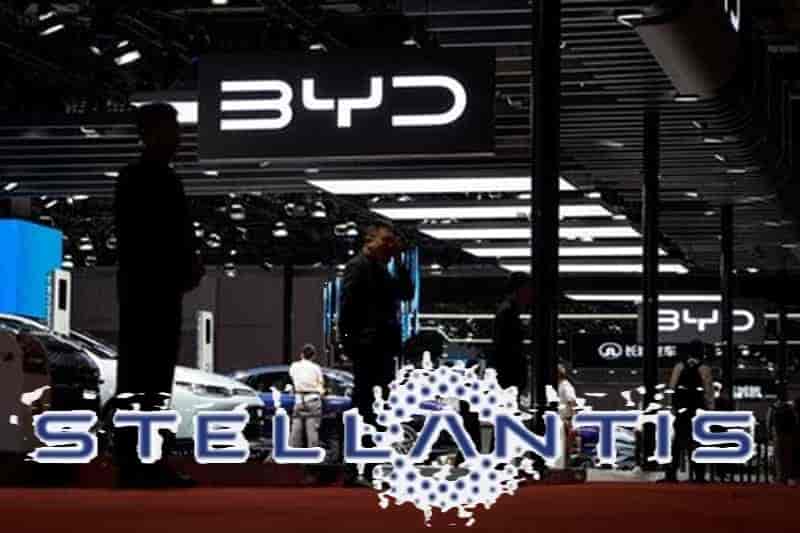
Stellantis and BYD: A Strategic Partnership for Affordable Electric Cars?
According to reports from AutoBild.es, Stellantis is exploring a significant partnership with BYD to cut electric vehicle (EV) costs and introduce models priced under €20,000. This collaboration could mark a turning point in Stellantis’ strategy, making electric mobility more accessible and competitive in a rapidly evolving market.
The Changing Landscape of the Automotive Industry
The automotive sector is undergoing a profound transformation, driven by the growing need for affordable electric vehicles. Rising consumer demand for zero-emission cars, stricter government regulations on emissions, and competition from Chinese automakers have made cost reduction an urgent priority. PET Tariffs
By partnering with BYD, a global leader in EV production and battery technology, Stellantis could integrate cost-effective and efficient batteries into its models. This move would enable the carmaker to introduce budget-friendly electric vehicles without compromising quality, range, or advanced technology.
BYD Batteries: A Key to Lowering Costs
As part of this partnership, Stellantis is expected to replace its current battery supplier, Svolt, with BYD. The switch would involve the adoption of LFP (lithium-iron-phosphate) batteries, known for their longevity and lower production costs compared to conventional NMC (nickel-manganese-cobalt) batteries.
These new batteries are expected to have capacities ranging between 30 and 35 kWh, providing an estimated range of about 200 km per charge—ideal for city driving and daily short trips. The lower costs of LFP batteries could significantly contribute to making electric cars more affordable for a broader audience. PET Tariffs
First Models to Benefit: Citroën ë-C3 and Fiat Grande Panda
The initial beneficiaries of this strategic alliance could be budget-friendly versions of the Citroën ë-C3 and the all-electric Fiat Grande Panda. The Citroën ë-C3 is set for release in the summer of 2025, while the Fiat Grande Panda is expected to hit the market in the last quarter of the same year.
Priced around €20,000, these models will compete directly with other low-cost EVs such as the Dacia Spring and Leapmotor T03. With affordability as a major selling point, Stellantis aims to capture a larger share of the expanding electric vehicle market.
The Impact on Stellantis and BYD
For Stellantis, this move aligns with its broader electrification strategy, allowing it to reinforce its presence in the rapidly growing EV segment. The company aims to position itself as a leader in accessible electric mobility by leveraging BYD’s expertise in battery production. PET Tariffs
Meanwhile, BYD would strengthen its foothold in Europe as a critical supplier of EV technology and batteries. Given the increasing reliance on Chinese battery manufacturers, this partnership could further solidify BYD’s influence in the European automotive market.
Future Prospects for Affordable EVs
The success of this initiative could mark the beginning of a new era of widely available, budget-friendly electric cars. With charging infrastructure continuously expanding and LFP battery technology advancing, the dream of affordable electric mobility is becoming increasingly realistic.
If this collaboration delivers on its promise, more consumers may transition to electric vehicles, accelerating the shift toward a cleaner and more sustainable future. As industry competition intensifies, automakers will likely follow suit, pushing the boundaries of affordability and innovation in the EV sector. PET Tariffs