Plastic recovery using solvents and recycling – How Plastic Recovery Using Solvents and Recycling Is Driving Circular Economy Breakthroughs with High-Value Reuse, Innovation, and Global Sustainability Progress Across 2025 25-12-2025 - Archive
Plastic recovery using solvents and recycling
Introduction: Why Plastic Recovery Using Solvents Matters in 2025
Plastic waste remains one of the most daunting environmental problems of the 21st century. Traditional recycling methods recycle only a fraction of plastic waste, leaving millions of tons to accumulate in landfills and oceans. The rise of plastic recovery using solvents and recycling offers new hope by enabling the recovery of complex and contaminated plastics that conventional recycling cannot process efficiently. Recent breakthroughs and global initiatives are accelerating solvent-based recycling technologies, which are poised to transform how plastic waste is managed and reused. Nature
This article outlines the latest developments in solvent-based plastic recovery, its role in advancing global recycling rates, and why these innovations are essential to achieving circular economy goals in 2025. plastic recovery using solvents and recycling
What Is Plastic Recovery Using Solvents?
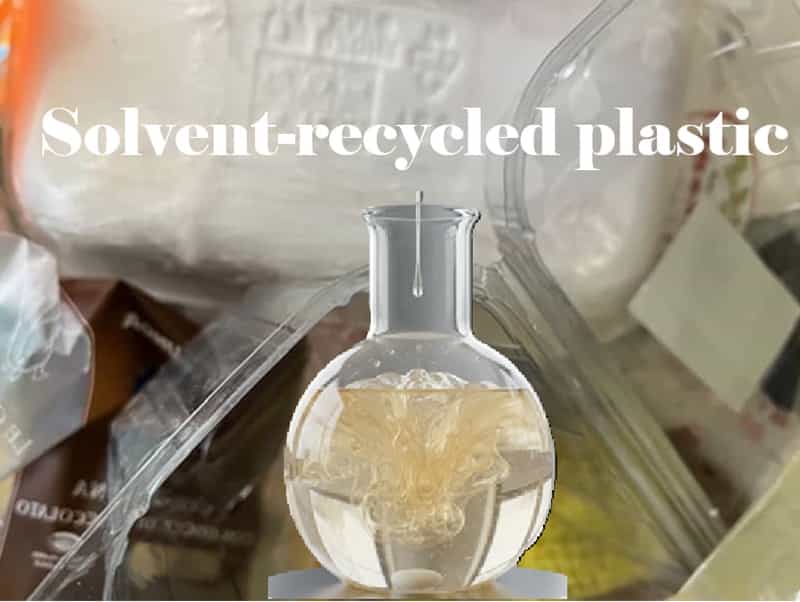
At its core, plastic recovery using solvents and recycling refers to processes where targeted polymers are dissolved with specific solvents, separated from impurities, and then recovered as high-quality material. Unlike mechanical recycling, which melts and reshapes plastics often with degraded performance, solvent-based approaches preserve polymer structure and enable higher-value reuse. RSC Publishing
Solvent recycling is part of a broader set of advanced recycling strategies, including chemical and dissolution recycling, which bridge gaps between simple mechanical reuse and full depolymerization into monomers.
How Solvent Recovery Enhances Recycling
✨ Higher Purity Recyclates
One of the main benefits of solvent-based recycling is the ability to recover high-purity polymers even from mixed or contaminated waste streams. Solvents selectively dissolve target polymers while leaving behind additives, fillers, or contaminants that would otherwise reduce recyclate quality. RSC Publishing
| Method | Polymer Scope | Purity | Typical Outcome |
|---|---|---|---|
| Mechanical Recycling | Limited | Medium | Lower-grade recyclate |
| Chemical Depolymerization | Very wide | High | Monomers or feedstocks |
| Solvent Recovery Recycling | Mixed streams | High | Near-virgin recyclate |
This table highlights the value proposition of solvent recovery approaches compared to traditional methods.
Latest Innovations in Solvent-Based Recovery
🧪 Scientific and Academic Progress
Researchers continue to refine solvent-based strategies for plastics recycling. Membrane-based purification technologies help remove embedded additives and contaminants, increasing the recyclability of challenging waste. These advancements aim to push solvent-based recovery beyond the limits of mechanical recycling. Nature
Additional academic work emphasizes the importance of understanding polymer-solvent interactions to design better recovery systems. Recent modeling approaches use deep learning to predict polymer solubility in various solvents, enabling scalable solvent selection for complex recycling streams. arXiv
Integration with Global Recycling Initiatives
🌍 Circular Economy Momentum in Europe
European industry and policymakers are striving to close the loop on plastics. Programs and pilot projects are boosting recycling rates through advanced technologies, while solvent-based recycling is recognized as one effective route to transform hard-to-recycle plastics into usable feedstocks. europe.sustainable-plastics-conference.com
🔁 Industrial Scaling and Infrastructure Growth
Across the world, companies are investing in solvent-based recycling infrastructure to capture economic and environmental value. For example, pilot projects and market reports indicate strong momentum in chemical and advanced recycling markets, with solvent approaches playing a significant role. Business Wire
These efforts enable plastics previously considered unrecyclable to reenter production loops, reducing dependency on virgin plastics and supporting sustainable manufacturing. plastic recovery using solvents and recycling
Solvent Recovery in Practice: Real-World Examples
🏭 PureCycle and Dissolution Recycling
Companies like PureCycle Technologies are using solvent dissolution techniques to recycle polypropylene (PP) into near-virgin quality resin. Their commercial facilities demonstrate that solvent-based recovery can remove odors, fillers, and additives while keeping polymer chains intact, yielding high-quality recyclate suitable for performance applications. Reddit
🌱 PBT-to-PBT Solvent Recycling
Industry innovators are also developing solvent recycling for complex materials like PBT and PC blends. These technologies separate components from composite materials that were once difficult to recycle, expanding recycling options for industrial waste streams. polyestertime.com
Challenges Ahead
While solvent recycling promises significant gains, several challenges must be addressed to scale the technology:
⚙️ Scaling to Industrial Levels
Solvent-based processes often require precise control of solvent selection and recovery, which can be complex and costly. Achieving industrial scale with consistent performance and economic viability remains a priority for technology developers. RSC Publishing
📜 Regulatory Frameworks
Policy alignment across regions is critical. Some areas lack clear definitions and incentives for solvent recycling to count toward official recycling targets. Harmonizing standards will help accelerate investment and adoption. plastic recovery using solvents and recycling
⚖️ Environmental and Safety Considerations
Choosing solvents that are efficient, non-toxic, and easily recoverable is essential to ensure that solvent recycling processes themselves do not create new environmental risks. Continued research into green solvent systems is vital.
Benefits of Solvent-Based Plastic Recovery
🌿 Reduced Environmental Footprint
Solvent recovery enables recycling of widely used polymers that would otherwise be incinerated or landfilled. By expanding the portion of plastic waste that can be repurposed, these methods reduce greenhouse gas emissions and resource consumption.
💡 High-Value Material Reintroduction
Solvent recycling produces high-quality recyclates usable in demanding applications like automotive parts, packaging, and consumer goods, expanding markets for recycled materials and fostering brand commitment to sustainability.
Looking Ahead: Solvent Recovery’s Place in 2025 and Beyond
On December 16, 2025, plastic recovery using solvents and recycling technologies are central to the plastics industry’s transformation. From solvent dissolution systems that rival virgin material quality to regulatory interest in advanced recycling, these innovations represent a critical step toward a circular plastics economy. plastic recovery using solvents and recycling
As research, industry investment, and regulatory frameworks converge, solvent-based approaches will continue to scale, delivering environmental benefits and unlocking new material value from previously discarded plastics.
Solvent Types Used for Plastic Recovery and Recycling (By Polymer)
⚠️ Note: Solvent selection depends on temperature, pressure, molecular weight, additives, and safety/environmental constraints. Many are used in controlled industrial or laboratory settings.
📊 Polymer–Solvent Compatibility Table
| Polymer | Common Solvents Used | Notes on Solvent Use |
|---|---|---|
| PET (Polyethylene Terephthalate) | Trifluoroacetic acid (TFA), Phenol, Dichloroacetic acid, o-Chlorophenol | PET requires strong polar solvents; often dissolved at elevated temperatures |
| PE (Polyethylene) | Xylene, Toluene, Decalin, Tetralin | Non-polar solvents; dissolution typically requires high temperature (≥120°C) |
| PP (Polypropylene) | Xylene, Decalin, Tetralin | Similar to PE; solvent dissolution mainly used in solvent purification recycling |
| Nylon 6 (PA6) | Formic acid, Cresols, Phenol, Hexafluoro-2-propanol (HFIP) | Strong hydrogen bonding; soluble in polar protic solvents |
| Nylon 66 (PA66) | Formic acid, m-Cresol, Phenol | Less soluble than PA6; higher temperatures often required |
| PC (Polycarbonate) | Dichloromethane (DCM), Chloroform, Tetrahydrofuran (THF), Dimethylformamide (DMF) | Common in electronics and automotive recycling |
| Spandex (Polyurethane Elastomer) | Dimethylacetamide (DMAc), DMF, N-methyl-2-pyrrolidone (NMP) | Highly polar solvents dissolve soft segments effectively |
| ACN / Acrylic (Polyacrylonitrile, PAN) | Dimethyl sulfoxide (DMSO), DMF, NMP | Used in fiber and textile recycling |
🧪 Solvent Classification by Type
🔹 Polar Protic Solvents
-
Formic acid plastic recovery using solvents and recycling
-
Phenol
-
Cresols
Used mainly for polyamides (nylons) and PET. plastic recovery using solvents and recycling
🔹 Polar Aprotic Solvents
-
DMF
-
DMAc
-
DMSO
-
NMP
Effective for PC, spandex, PAN, and high-performance polymers.
🔹 Non-Polar Solvents
-
Xylene plastic recovery using solvents and recycling
-
Toluene
-
Decalin
-
Tetralin
Required for polyolefins (PE, PP) at elevated temperatures.
♻️ Solvent Use in Industrial Recycling
In solvent-based recycling, solvents are:
-
Recovered and reused in closed-loop systems plastic recovery using solvents and recycling
-
Selected for high selectivity and low degradation risk
-
Increasingly replaced with greener solvent alternatives
Modern plants prioritize:
-
Low toxicity
-
High boiling point stability
-
High solvent recovery efficiency (>95%) plastic recovery using solvents and recycling
🌱 Emerging Green Solvent Trends
| Green Solvent | Target Polymers | Advantage |
|---|---|---|
| Ionic liquids | PET, PA | Low volatility, tunable polarity |
| Supercritical CO₂ (co-solvent) | PE, PP | Non-toxic, recyclable |
| Bio-based solvents | PC, PU | Lower environmental footprint |
More…