Automotive Market 2026 Forecast Faces Global Turmoil: Geopolitical Crises, Rising Tariffs, China-US Tensions, Rare Earth Vulnerabilities, and EV Competition Reshaping Industry Growth 13-12-2025
Automotive market 2026 forecast
2026 Automotive Market Forecast: Geopolitics, Tariffs, Supply Chains, and Innovation
The global automotive industry enters 2026 under intense pressure from multiple geopolitical, economic, and technological forces. Experts forecast slower growth than earlier decades, largely driven by rising trade barriers like 29 US tariffs, global conflicts, the explosive rise of Chinese electric vehicles (EVs), rare earth and lithium supply concerns, and shifting economic power in regions like BRICS. Understanding these factors is critical for automakers, suppliers, investors, and policymakers preparing for the next phase of the market.
Russia-Ukraine War: Supply Chain and Production Disruptions
The prolonged Russia-Ukraine war continues to influence automotive markets in 2026. The conflict has disrupted supply chains, especially in Eastern Europe, where many parts suppliers operate. Automotive market 2026 forecast
Ongoing instability increases transportation costs, fuel price volatility, and risk premiums on investment in nearby facilities. Automotive manufacturers with European operations face logistics challenges and potential production bottlenecks, slowing regional growth. While direct vehicle sales impacts are limited, the knock-on effects—such as delayed parts delivery and higher commodity costs—add to global uncertainty.
US Tariffs (29) Raise Costs and Reshape Supply Chains
Tariffs implemented by the United States on automotive imports and parts will remain a defining force in 2026. These measures have increased production costs for OEMs and suppliers, with global vehicle production forecast to contract partly because of tariffs that inflate prices for imported vehicles and components. Automotive market 2026 forecast
Analysts expect US automotive production to slow in 2026, partly driven by current tariff structures that raise costs on vehicles and parts entering the US market. These higher costs may reduce consumer demand and encourage manufacturers to localize production in tariff-free zones to maintain competitiveness. Atradius
Tariff impacts extend deeply into EV supply chains, especially batteries and semiconductors. Automotive market 2026 forecast
Punitive tariffs on EV battery imports and related materials are expected to reshape how global players organize production and sourcing. In response, many automakers increase local production and diversify suppliers to mitigate tariff liabilities. BCG Global
Palestinian Crisis: Geopolitical Risk and Consumer Confidence
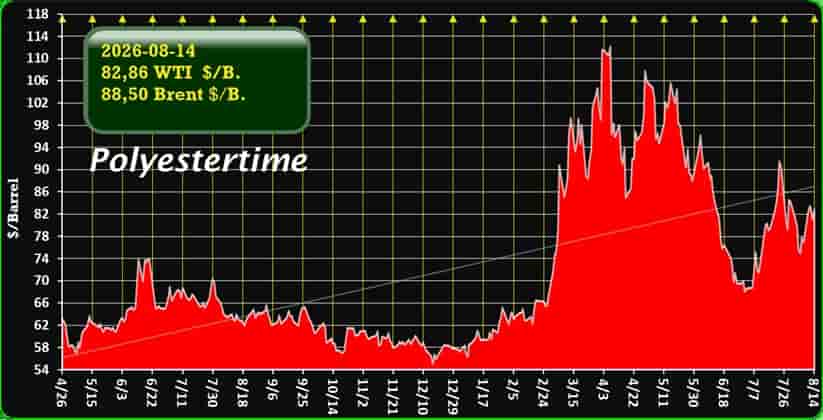
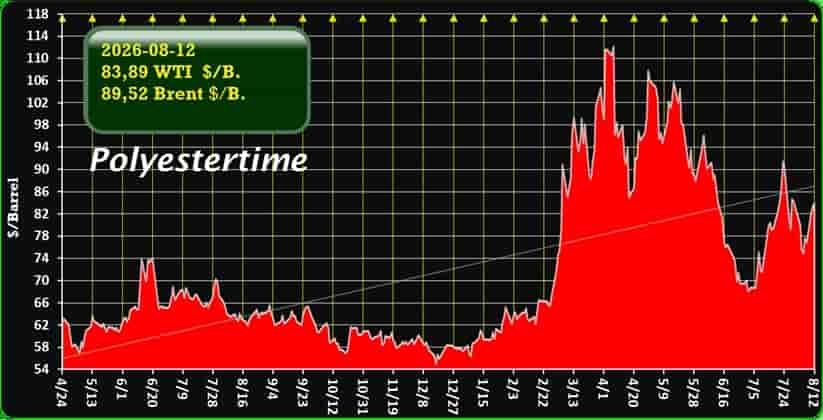
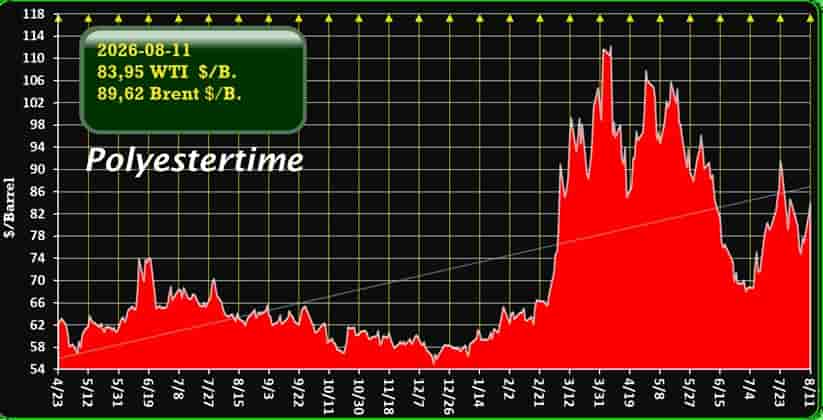
Although the Palestinian crisis is geographically distant from major automotive markets, its effects ripple through global oil markets and economic confidence. Heightened tensions in the Middle East can lead to spikes in oil prices, increasing operational costs for vehicle production and distribution. Consumer confidence tends to dip during prolonged geopolitical unrest, potentially delaying major purchases like vehicles. For automakers already dealing with supply chain and tariff pressures, such macroeconomic headwinds can further slow sales growth in key markets. Automotive market 2026 forecast
China-US Dispute Over Taiwan: Strategic Uncertainty
Tensions between China and the United States over Taiwan create significant uncertainty for the 2026 automotive market. A military or diplomatic escalation could disrupt semiconductor and component supply chains, given Taiwan’s central role in advanced chip manufacturing. Taiwan’s semiconductor output is essential for modern vehicles, especially EVs and advanced driver-assistance systems (ADAS). Any disruption to this supply could delay vehicle production globally and push companies to diversify or reshoring critical technology manufacturing. The geopolitical standoff also feeds into broader China-US trade tensions that already influence tariffs and market access. Automotive market 2026 forecast
Instability in Europe: Fragmented Demand and Production Challenges
Europe’s automotive sector faces its own set of challenges as geopolitical instability affects consumer demand and industry investment. Brexit aftershocks, energy price volatility, and fragmented regulatory landscapes across EU markets make long-term planning more complex for global manufacturers. European car sales forecasts have been lowered in some regions due to uncertainty around economic growth and inflation pressures. In response, some OEMs may shift production and R&D investments to more stable and lower-cost regions. Automotive market 2026 forecast
BRICS Strength: Shifting Economic Power and Market Dynamics
The rising strength of the BRICS nations (Brazil, Russia, India, China, and South Africa) is reshaping the automotive landscape. These economies are increasing their share of global automotive production and sales, creating new growth corridors.
India and China, in particular, are becoming dominant production hubs for both internal combustion engines (ICE) and EVs, driven by domestic demand and export ambitions. As BRICS countries expand infrastructure and manufacturing capacity, global automotive value chains are increasingly orienting toward these emerging markets. Greater influence by BRICS economies may also lead to alternative supply partnerships that bypass traditional Western markets. Automotive market 2026 forecast
Explosion of Chinese Electric Vehicles: Competition and Market Share
Chinese EV manufacturers are seeing explosive growth, which will continue to influence global vehicle markets in 2026. China remains the largest producer and consumer of EVs worldwide, with manufacturers like BYD and others expanding exports aggressively. Despite tariffs and export controls, Chinese EV brands are penetrating European and Latin American markets with competitively priced models, intensifying competition for legacy automakers. Automotive market 2026 forecast
Western brands must innovate faster or risk losing market share, especially in cost-sensitive segments. AP News+1
This surge in Chinese EV production also influences global pricing, technology diffusion, and battery supply dynamics. Local incentives in places like Europe and the US may counterbalance this trend, but Chinese brands are likely to continue growing their international footprint.
Rare Earths and Lithium: Critical Material Constraints
Critical materials such as rare earth elements and lithium are linchpins of the automotive transition to electrification. China’s dominant position in rare earth mining and processing—controlling up to 90% of global refining capacity—poses significant risks for global automakers. Automotive market 2026 forecast
Export restrictions and licensing requirements for rare earths have already caused industry disruptions, forcing production slowdowns and raising costs for EV motors and other advanced components. S&P Global+1
Lithium market dynamics also matter. Lithium is fundamental for EV battery production, and while battery prices have fallen, future demand could pressure supplies, leading to price volatility. Automotive market 2026 forecast
Manufacturers and governments are investing in alternative sources and refining capacity outside China, but these efforts will take years to scale and may not fully mature by 2026.
Conclusion: A Complex Road Ahead for 2026
The 2026 automotive market will feel the cumulative effects of intertwined geopolitical tensions, tariff barriers, raw material constraints, and competitive shifts driven by Chinese EV proliferation and BRICS growth. While overall vehicle production and sales may slow compared to earlier growth forecasts, opportunities remain for automakers that successfully navigate supply chain diversification, localized production, technological innovation, and resilient sourcing strategies.
SEO Information
Primary SEO Keyword: automotive market 2026 forecast
Secondary Keywords: global automotive industry, China EV growth, rare earth supply, US tariffs, BRICS automotive