Plastic-to-Fuel in Mexico: Can Petgas Really Solve the Waste Crisis or Is It Just a Different Form of Pollution?
Plastic-to-Fuel Recycling in Mexico: The Promise and Controversy Behind Petgas
Plastic-to-Fuel Recycling: How Petgas Is Turning Waste Into Fuel in Mexico
Plastic Waste Is Becoming Fuel in Mexico — But Not Everyone Calls It Recycling
As plastic pollution continues to overwhelm landfills, coastlines and waterways around the world, a Mexican startup is drawing international attention with a technology that transforms discarded plastic into fuel.
The company, Petgas, operates in Boca del Río, Veracruz, where it uses a process known as pyrolysis to convert selected plastic waste into products such as gasoline, diesel, kerosene and paraffin. The idea appears simple: take plastic that would otherwise be discarded and turn it into something with economic value. Yet behind that promise lies a growing debate about whether this approach represents a genuine recycling breakthrough or simply another way of extending the fossil fuel cycle.
How Petgas Turns Plastic Into Fuel
Unlike traditional incineration, pyrolysis heats plastic in an oxygen-free environment. This causes long hydrocarbon chains to break apart into smaller compounds that can later be refined into different fuel products.
According to reporting by the Associated Press, Petgas’ system can process approximately 1.5 tons of plastic waste per week and generate around 1,350 liters of fuel products. Once the process begins, gases generated during the reaction help sustain the system, reducing the need for additional external fuel.
The technology focuses primarily on plastic materials that are difficult or uneconomical to recycle through conventional mechanical recycling systems.
Why Interest in Plastic-to-Fuel Is Growing
The appeal of plastic-to-fuel technology is easy to understand.
Many countries struggle with large volumes of mixed or contaminated plastics that cannot be efficiently processed through traditional recycling facilities. In coastal regions, unmanaged waste often ends up in rivers and oceans, creating long-term environmental damage.
Supporters argue that converting low-value plastic into usable fuel offers a practical way to reduce the amount of waste reaching landfills while recovering value from materials that would otherwise have little economic use. Petgas executives have repeatedly presented the technology as a way to transform discarded plastic into a useful resource rather than allowing it to become pollution. Plastic to fuel recycling
The Environmental Question That Refuses to Go Away
The central criticism is straightforward: plastic is largely made from fossil fuels.
Even if plastic waste is diverted away from beaches or dumps, converting it into gasoline or diesel ultimately creates a product designed to be burned. When that fuel is used, carbon dioxide is released into the atmosphere.
Petgas argues that its fuels contain lower sulfur levels than some conventional alternatives, potentially reducing certain forms of air pollution. However, climate researchers and environmental organizations point out that lower sulfur emissions do not eliminate the carbon footprint associated with combustion.
This distinction is why many experts avoid describing plastic-to-fuel systems as true circular recycling. In a circular model, materials remain in use through repeated recycling cycles. Fuel production, by contrast, ends the material’s life cycle after combustion.
Critics Warn Against Calling It “Recycling”
Environmental groups have spent years questioning whether some forms of chemical recycling are being marketed in ways that overstate their environmental benefits.
Critics argue that plastic-to-fuel technologies can sometimes blur the line between recycling and waste-to-energy systems. Their concern is that governments and industries may view these technologies as a justification for continuing to produce large amounts of disposable plastic rather than addressing the source of the problem.
The debate is not purely theoretical. Around the world, policymakers are increasingly examining whether chemical recycling projects should qualify for the same regulatory treatment as traditional recycling facilities.
Mexico’s Broader Environmental Challenges Add Context
The discussion around plastic waste arrives at a time when environmental management is receiving increased attention in Mexico.
In recent months, authorities have continued investigations into a major oil contamination event in the Gulf of Mexico. Government agencies and environmental organizations have disputed the causes of the spill, while cleanup efforts have involved hundreds of tons of hydrocarbon-contaminated waste and affected thousands of fishermen.
These events have intensified public scrutiny of how industrial waste, fossil fuels and environmental accountability are managed across the region.
Not Every Type of Plastic Can Be Processed
One common misconception is that technologies like pyrolysis can solve the entire plastic waste problem.
In reality, different plastics behave differently during thermal processing. Some materials are better suited to conventional recycling, while others can create challenging byproducts that require careful management.
This means that collection systems, waste sorting, product design and consumer behavior remain critical parts of any effective strategy. Technology alone cannot compensate for poor waste management practices.
What Experts Want to See Next
For many researchers, the key issue is transparency.
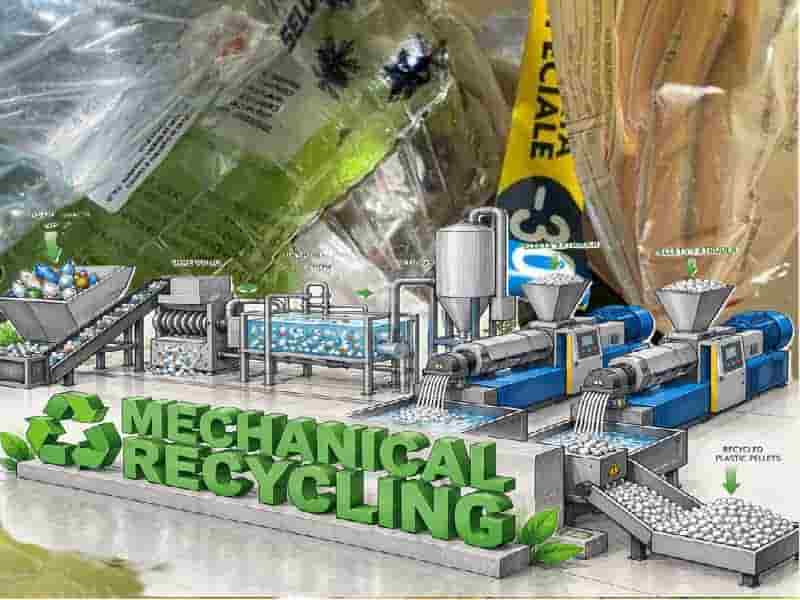
Questions remain about the total energy required by plastic-to-fuel systems, their lifecycle emissions, the handling of byproducts and their environmental performance compared with alternatives such as mechanical recycling or waste reduction initiatives.
Independent verification, emissions monitoring and public reporting will likely determine whether technologies like those developed by Petgas become accepted as part of future waste management systems or remain controversial.
A Useful Tool, Not a Complete Solution
Petgas has demonstrated that plastic waste can be converted into commercially useful fuels. That achievement is technically significant and may offer benefits in locations where large quantities of difficult-to-recycle plastics are accumulating.
However, the technology does not eliminate the deeper challenge of global plastic consumption.
Reducing unnecessary single-use plastics, improving collection systems, expanding traditional recycling infrastructure and designing products for reuse remain the most effective long-term strategies. Plastic-to-fuel technologies may help manage part of today’s waste stream, but they are unlikely to replace the broader transition toward a more circular economy.
Turning Plastic Waste into Clean Fuel Using Sunlight
More…