Oil Prices and the US-Iran War: Why Brent Remains Near $94 and WTI Around $90
Oil Prices Surge as US-Iran Conflict Intensifies: Brent Near $94, WTI Around $90
Oil Prices and US-Iran War – US-Iran War Risks Support Higher Oil Prices as Markets Watch the Strait of Hormuz
Key Takeaways
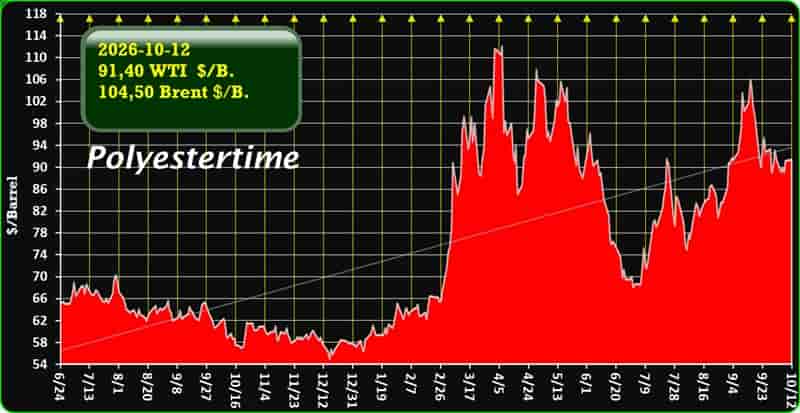
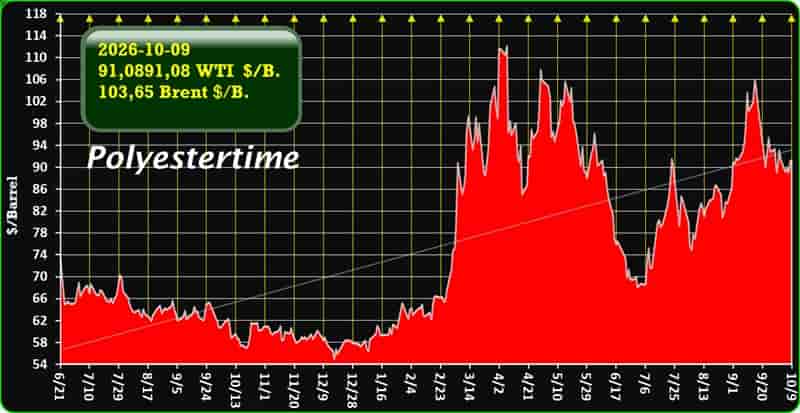
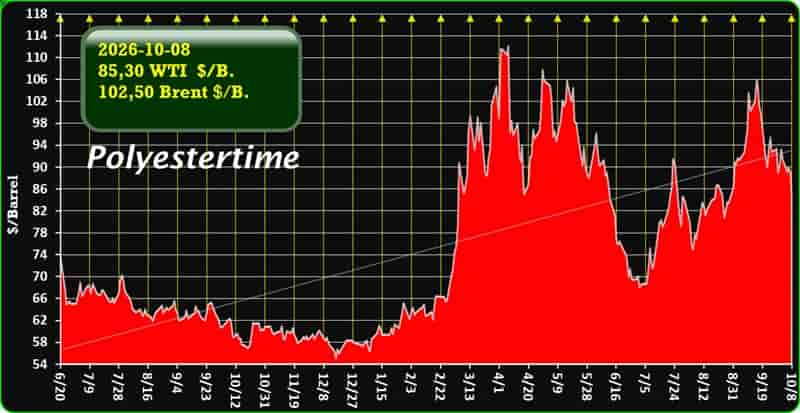
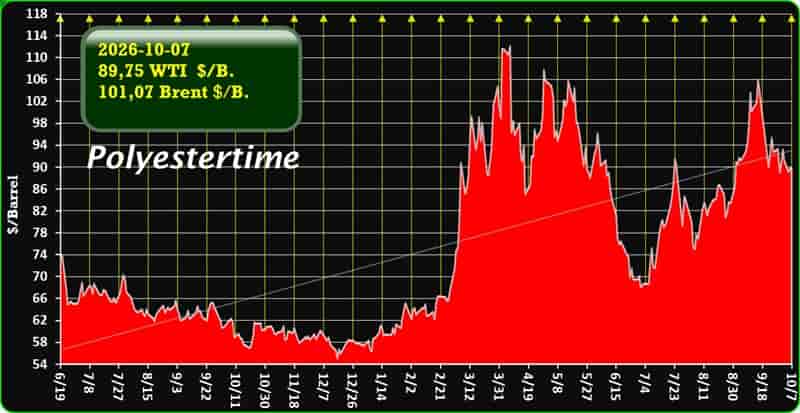
- Brent crude is trading around $94 per barrel.
- WTI crude remains close to $90 per barrel.
- Ongoing tensions between the United States and Iran continue to support higher oil prices.
- The Strait of Hormuz remains the biggest risk factor for global energy markets.
- Analysts believe oil prices could remain volatile throughout the coming months.
- Higher oil prices may contribute to inflation and increased transportation costs worldwide.
Oil Markets Remain Focused on Geopolitical Risk
Oil prices continue to trade at elevated levels as investors monitor the ongoing conflict involving the United States and Iran. Brent crude, the global benchmark, is holding near $94 per barrel, while West Texas Intermediate (WTI) remains close to $90 per barrel.
The current pricing reflects a significant geopolitical risk premium. Markets remain concerned that any escalation in military activity could disrupt oil exports from the Persian Gulf, a region responsible for a substantial share of global energy supply. Recent reports indicate that uncertainty surrounding shipping routes and military operations continues to influence trading activity.
Why the Strait of Hormuz Matters
The Strait of Hormuz remains at the center of market concerns.
This narrow waterway connects the Persian Gulf to international shipping lanes and handles roughly one-fifth of global oil and condensate flows. Any disruption can quickly affect supply chains, shipping costs, and energy prices worldwide. Analysts continue to warn that prolonged instability in the area could keep crude prices elevated for longer than previously expected.
Although diplomatic efforts have continued, markets remain cautious because negotiations have produced limited progress. Traders are balancing hopes for a political solution against the possibility of further military escalation.
Recent Developments Driving Oil Prices
Several recent events have contributed to renewed volatility:
Military Activity
Reports over the past few days indicate new military actions involving US forces and Iranian-linked targets. Regional tensions have also expanded beyond Iran, increasing concerns about broader instability across the Middle East.
Shipping Disruptions
Energy markets remain sensitive to any signs of disruption affecting tanker movements through the Gulf. Shipping delays and uncertainty regarding future access to key routes have kept traders focused on supply security.
Supply Concerns
Several market forecasts suggest that global inventories are tightening as supply disruptions continue. Banks and commodity analysts have revised oil forecasts higher compared with expectations at the start of the year.
Why Brent and WTI Are Holding Near Current Levels
The current range of approximately $94 for Brent and $90 for WTI reflects a market caught between two competing forces.
On one side, geopolitical tensions support higher prices because traders fear supply interruptions. On the other side, hopes for eventual negotiations and the reopening of disrupted trade routes limit the upside. Recent market commentary suggests that investors remain divided on whether a lasting agreement can be reached.
As a result, crude oil prices continue to experience sharp swings whenever new diplomatic or military developments emerge.
Impact on the Global Economy
Higher oil prices affect far more than energy companies.
Inflation Risks
Rising crude prices often lead to higher fuel, transportation, and manufacturing costs. Businesses may pass those expenses on to consumers, contributing to inflationary pressures.
Consumer Spending
Higher gasoline and diesel prices can reduce household purchasing power, especially in countries heavily dependent on imported energy.
Financial Markets
Stock markets have generally remained resilient, but energy-related volatility continues to influence investor sentiment and expectations for central bank policy.
What Analysts Expect Next
Most forecasts suggest that oil prices will remain highly sensitive to developments in the Middle East.
Several institutions expect Brent crude to remain above historical averages throughout 2026, with some estimates ranging between $88 and $100 per barrel under moderate disruption scenarios. More severe supply interruptions could push prices significantly higher.
At the same time, a meaningful diplomatic breakthrough could reduce the geopolitical premium currently embedded in oil markets and gradually bring prices lower.
Outlook for Investors and Consumers
The oil market is entering a period where geopolitical headlines may have a greater influence than traditional supply-and-demand indicators.
For investors, volatility is likely to remain elevated. For consumers and businesses, fuel costs could continue fluctuating as markets react to every major development involving the United States, Iran, and the broader Middle East.
Until there is greater clarity regarding regional stability and the future of shipping through the Strait of Hormuz, Brent crude near $94 and WTI around $90 may continue to reflect the market’s cautious stance.
Conclusion
Oil prices remain firmly supported by geopolitical uncertainty. Brent crude near $94 per barrel and WTI around $90 illustrate the market’s concern over potential supply disruptions linked to the US-Iran conflict.
While diplomatic efforts continue, traders remain focused on developments in the Strait of Hormuz, military activity across the region, and the broader implications for global energy security. As long as these risks persist, oil markets are likely to remain volatile, with price movements driven as much by geopolitical events as by traditional economic fundamentals.
Strait of Hormuz: Tehran Studies Mechanism to Make Shipping Tolls Permanent
More…