Plastics Prices Surge Amid Supply Breaks
Plastics Prices Surge as Supply Tightens
The global plastics prices surge is accelerating as supply disruptions ripple across petrochemical markets. Major producers, including Dow Inc. and Exxon Mobil, are raising prices in response to tightening supply conditions linked to geopolitical tensions in the Middle East.
These increases are being felt across industries that depend heavily on plastics, particularly packaging, manufacturing, and consumer goods. As supply chains strain, the plastics prices surge is becoming a central concern for businesses worldwide.
Producers Announce Significant Price Hikes
Chemical companies are moving quickly to adjust pricing. Dow has informed customers in North America that it will increase prices for polyethylene resins, a key material used in packaging and containers. The company implemented a 30-cent-per-pound increase in April and signaled a potential additional 20-cent rise in May.
Other producers are following suit. Exxon Mobil and Nova Chemicals have also raised their planned increases to 30 cents per pound. These coordinated actions highlight how widespread the plastics prices surge has become across the industry.
For buyers, this means rapidly escalating costs and limited negotiating power as supply constraints tighten further.
Middle East Disruptions Drive Market Instability
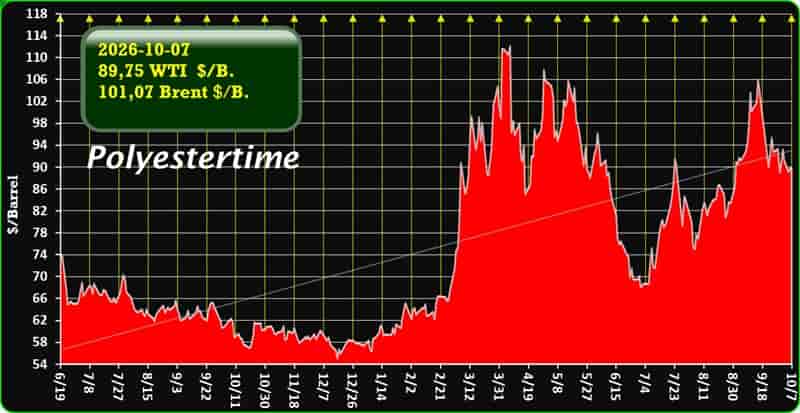
At the core of the plastics prices surge are disruptions in the Middle East, a critical hub for energy and petrochemical production. Shipping through the Strait of Hormuz, a vital corridor for oil and liquefied natural gas, has been significantly reduced.
This route is essential for transporting raw materials used in plastics production. When flows are disrupted, the entire supply chain feels the impact. Reduced availability of feedstocks such as ethane and naphtha has driven production costs sharply higher.
As a result, petrochemical markets are experiencing volatility not seen in recent years, reinforcing the ongoing plastics prices surge.
Polyethylene Costs Rise Across Regions
Polyethylene, one of the most widely used plastics globally, has seen some of the steepest increases. In the United States, prices have climbed rapidly since the onset of the disruptions, with some buyers reporting costs more than doubling.
The plastics prices surge is even more pronounced in Europe and Asia. These regions rely heavily on imports from the Middle East, making them more vulnerable to supply interruptions. Limited alternatives and higher transportation costs are compounding the problem.
This regional imbalance is creating uneven pricing pressures, forcing companies to adapt quickly or absorb rising costs.
Ripple Effects Across Related Industries
The impact of the plastics prices surge is not limited to plastic producers alone. Downstream industries are also feeling the strain. Companies that rely on plastics as raw materials are now facing increased expenses and tighter margins.
For example, INX International Ink Co. has announced price increases for inks and coatings, citing higher costs for materials, energy, and transportation. These adjustments reflect a broader trend affecting multiple sectors tied to petrochemical inputs.
From packaging to printing, the cascading effects of the plastics prices surge are spreading throughout the global economy.
Supply Constraints May Persist
Even if shipping routes reopen, the plastics prices surge is unlikely to reverse quickly. Production has already been impacted by reduced output at oil and gas facilities, slower refinery operations, and damage to some petrochemical plants.
Restarting these systems takes time, and supply chains do not recover instantly. Industry leaders expect elevated costs to persist for months, if not longer.
Executives at Dow have indicated that it could take much of a year for supply flows to fully normalize after disruptions ease. This suggests that the plastics prices surge may remain a defining feature of the market in the near term.
What It Means for Businesses and Consumers
For businesses, the plastics prices surge translates into higher input costs, potential product price increases, and the need for supply chain adjustments. Companies may seek alternative materials, renegotiate contracts, or pass costs on to consumers.
For consumers, this could mean rising prices for everyday goods, from food packaging to household products. The broader economic impact will depend on how long the disruptions persist and how effectively markets adapt.
Outlook for Petrochemical Markets
Looking ahead, the trajectory of the plastics prices surge will depend on geopolitical developments, supply chain recovery, and production capacity. While some stabilization may occur if shipping routes reopen, structural challenges could keep prices elevated.
Businesses that stay agile and diversify their supply sources will be better positioned to navigate this volatile environment. Meanwhile, the global petrochemical market continues to adjust to a new reality shaped by uncertainty and constrained supply.
More…