Oil Price Trend Steady Amid Global Uncertainty
Oil price outlook remains cautiously stable as global tensions, OPEC+ strategy, and economic signals shape investor sentiment and short-term energy market direction
Oil Price Trend Analysis – April 21, 2026
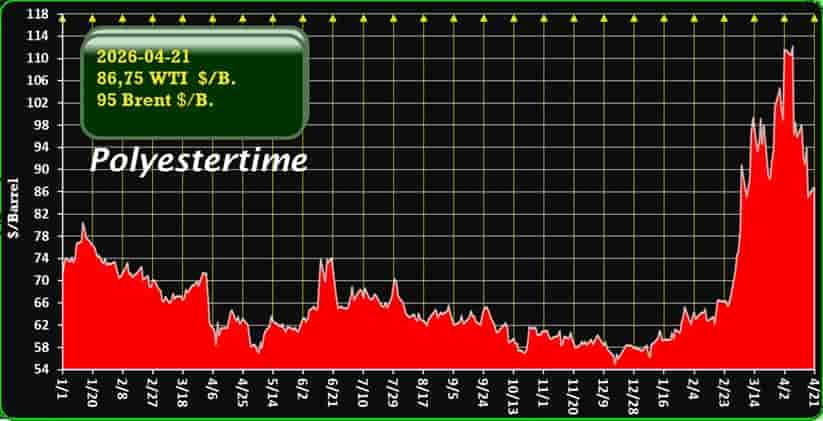
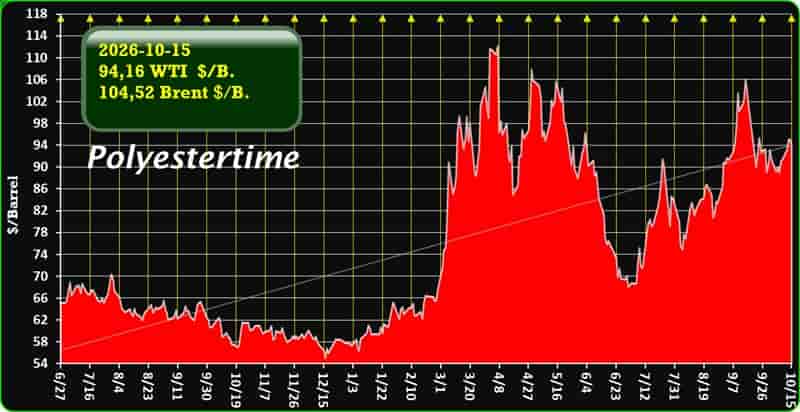
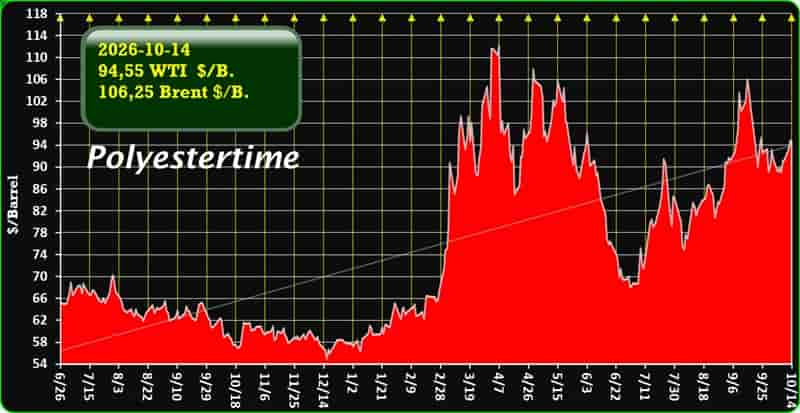
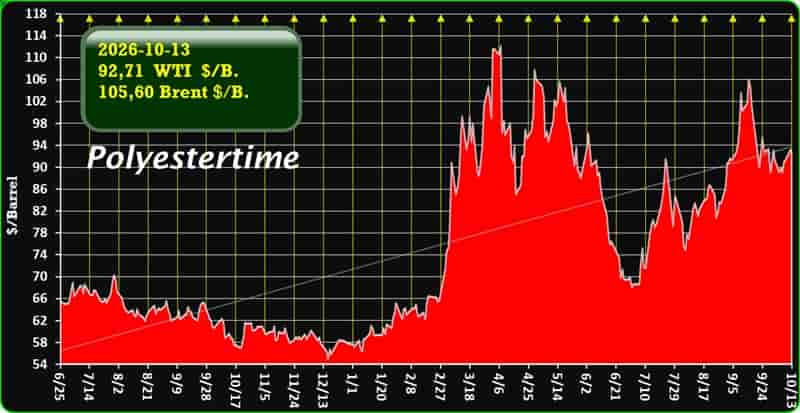
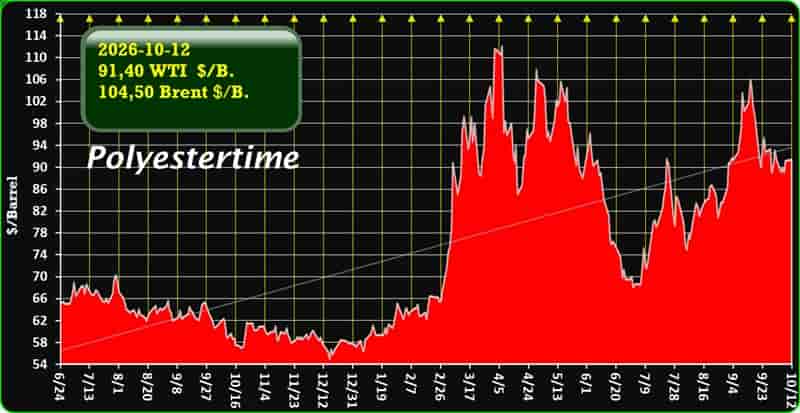
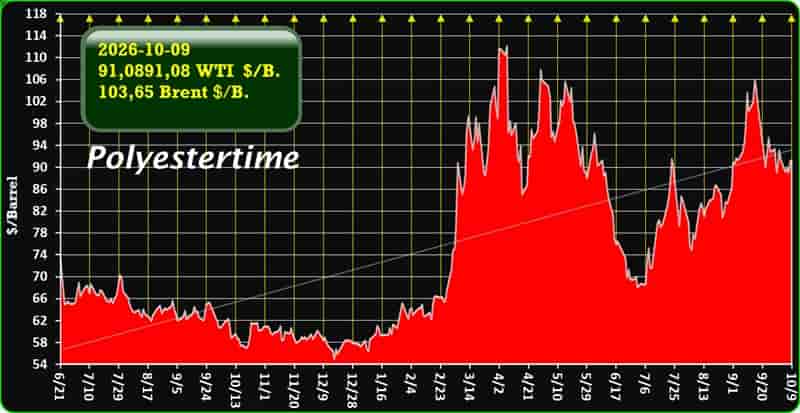
The crude price trend as of April 21, 2026 reflects a market navigating uncertainty with relative stability. Benchmark crude grades are trading within established ranges, with Brent crude oil hovering between $90 and $100 per barrel, while West Texas Intermediate (WTI) remains slightly lower, fluctuating around $85 to $95 per barrel.
Despite ongoing geopolitical tensions and mixed economic signals, the oil price has avoided sharp volatility, suggesting that traders are weighing both risks and underlying fundamentals carefully.
Current Oil Price Snapshot
| Benchmark | Price Range (USD/Barrel) | Market Tone |
|---|---|---|
| Brent Crude | $90 – $100 | Stable with slight upward bias |
| WTI Crude | $85 – $95 | Moderately firm |
The oil price spread between Brent and WTI continues to reflect regional supply dynamics and transportation factors, with Brent maintaining a premium due to its global benchmark status.
Key Drivers Behind Today’s Oil Price Movement
1. Supply Management and OPEC+ Strategy
The role of OPEC+ remains central to the current oil price environment. The group has maintained disciplined production controls, preventing oversupply while supporting price stability.
Recent signals suggest that OPEC+ is prepared to adjust output if demand weakens, reinforcing a price floor. This proactive stance continues to anchor market expectations and reduce downside risks.
2. Geopolitical Tensions and Market Sensitivity
Geopolitical developments—particularly tensions involving major oil-producing regions—are adding a layer of uncertainty to the crude price outlook. Concerns around potential disruptions in supply routes or sanctions-related constraints have contributed to cautious optimism among traders.
Markets are especially sensitive to developments involving the Middle East, where even minor escalations can quickly influence oil price movements due to the region’s strategic importance in global supply.
3. Global Demand and Economic Indicators
Demand-side factors are equally shaping the crude price trend. Mixed economic data from major economies, including the United States, China, and Europe, has created an uncertain demand outlook.
- Strong travel and industrial activity are supporting demand
- Slower manufacturing growth is limiting upside momentum
- Inflation trends continue to influence consumption patterns
This balance between resilience and caution is keeping the crude price within a defined range rather than triggering significant rallies or declines.
4. Inventory Levels and Strategic Reserves
Inventory data remains a critical short-term driver of the crude price. Recent reports indicate moderate stockpile levels, suggesting neither a supply glut nor a shortage.
Strategic petroleum reserve policies, particularly in large economies, are also influencing market sentiment by acting as buffers against sudden supply shocks.
Investor Sentiment: Cautious but Stable
Investor sentiment around the crude price is currently best described as cautiously balanced. Market participants are not aggressively bullish, but neither are they expecting a sharp downturn.
Key sentiment indicators include:
- Moderate speculative positioning in futures markets
- Hedging activity by producers and refiners
- Wait-and-see approach ahead of key economic data releases
This measured outlook reflects a market that is highly responsive to news but grounded in relatively stable fundamentals.
Oil Price Trend and Market Interpretation
The current oil price trend suggests a consolidation phase rather than a breakout. Traders are pricing in:
- Continued OPEC+ discipline
- Stable but not booming global demand
- Persistent geopolitical risks
This combination is preventing large swings and instead creating a narrow trading band.
Short-Term Oil Price Outlook
Looking ahead, the oil price is likely to remain within its current range in the near term, with a slight upward bias if geopolitical risks intensify or supply tightens further.
Bullish Factors
- Potential supply disruptions
- Strong seasonal demand (travel and summer consumption)
- OPEC+ production restraint
Bearish Factors
- Economic slowdown risks
- Stronger US dollar
- Unexpected inventory builds
Implications for the Global Economy and Energy Markets
The relatively stable oil price environment offers both opportunities and challenges:
- For consumers: Predictable fuel costs help manage inflation
- For producers: Stable revenues support investment planning
- For policymakers: Reduced volatility eases economic forecasting
However, sustained oil price levels near $100 per barrel could still exert inflationary pressure, particularly in energy-importing economies.
Conclusion
As of April 21, 2026, the oil price trend reflects a market in equilibrium, balancing geopolitical risks, supply discipline, and uncertain demand. Brent and WTI continue to trade within stable ranges, signaling confidence in underlying fundamentals.
In the short term, the oil price is expected to remain steady, with potential for moderate upward movement depending on global developments. For investors and policymakers alike, this environment underscores the importance of closely monitoring both geopolitical signals and economic indicators in shaping the future direction of energy markets.
Oil Prices Stay Strong Amid Rising Global Tensions
More…