Unleashing Strategic Power: BASF and Highsun Pioneer Major Polyamide 6 Venture
Polyamide 6 joint venture
Facing Severe Industry Pressure, BASF and Highsun Forge Critical Joint Venture
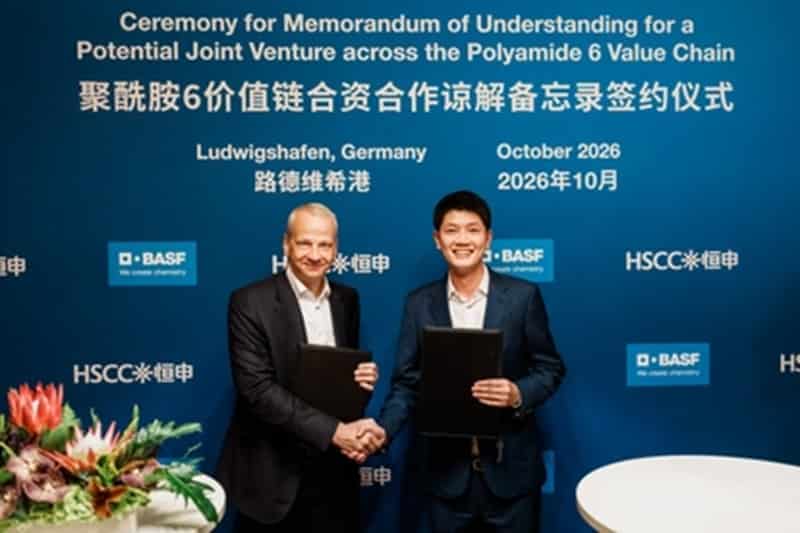
The European chemical landscape is undergoing a strategic realignment driven by relentless global cost pressures, escalating energy overhead, and intensifying competition from overseas markets. In a direct response to these structural challenges, German chemical giant BASF SE and China’s Highsun Holding Group (HSCC) announced a non-binding Memorandum of Understanding (MoU) on October 19, 2026, to explore combining their European operations along the polyamide 6 (PA6) value chain into a 50:50 joint venture. Polyamide 6 joint venture
This proposed alliance represents far more than a standard corporate merger; it highlights a broader shift toward industrial consolidation within Europe. As energy prices and regulatory requirements continue to squeeze manufacturing margins across Western markets, key market players are turning to joint asset allocation, shared technical expertise, and combined upstream integration to safeguard long-term profitability and maintain secure supply chains. Polyamide 6 joint venture
Strategic Perimeter and Scope of the Agreement
The proposed 50:50 joint venture centers primarily on combining both partners’ primary European assets across the polyamide 6 value chain and its key precursor, caprolactam. In addition to their core European activities, BASF and HSCC are actively evaluating the inclusion of their global extrusion operations outside of North America.
However, both companies have established clear operational boundaries for the deal. The downstream engineering plastics businesses of both BASF and HSCC are explicitly excluded from the potential joint venture. By restricting the perimeter to primary PA6 resins, precursor chemical operations, and selected extrusion activities, the two groups intend to maximize efficiencies where bulk manufacturing costs matter most, while retaining full corporate independence over their specialized, high-margin finished engineering materials. Polyamide 6 joint venture
┌─────────────────────────────────────────────────────────────────┐
│              PROPOSED JOINT VENTURE SCOPE (50:50)               │
├────────────────────────────────┬────────────────────────────────┤
│       INCLUDED IN SCOPE        │       EXCLUDED FROM SCOPE      │
├────────────────────────────────┼────────────────────────────────┤
│ • European PA6 Value Chain     │ • Downstream Engineering       │
│ • Caprolactam & PA6 Precursors │   Plastics Businesses          │
│ • Global Extrusion Activities  │ • North American Extrusion     │
│   (Outside North America)      │   Operations                   │
└────────────────────────────────┴────────────────────────────────┘
Dedicated project teams comprising technical, financial, and supply chain leaders from both corporations have been established. These working groups are currently carrying out detailed assessments to evaluate manufacturing site performance, asset valuation, technology integration, and regulatory pathways prior to entering binding agreements. Polyamide 6 joint venture
Overcoming Structural Pressures in the European Chemical Sector
The European chemical sector has entered a decisive era defined by structural transformation. For decades, Europe served as an export power base for technical polymers and bulk raw materials. However, rising feedstock costs, volatile energy prices, and sluggish localized demand have significantly narrowed profit margins.
As Dr. Markus Kamieth, Chairman of the Board of Executive Directors of BASF SE, pointed out during the announcement, the European chemical ecosystem requires supportive industrial policies coupled with aggressive industrial consolidation to build resilient, globally competitive corporations.
By pooling complimentary manufacturing assets, BASF and Highsun seek to address several critical operational factors:
-
Improved Capacity Utilization: Combining production lines allows both firms to run manufacturing plants closer to full operational capacity, driving down unit production costs.
-
Lower Overhead Costs: Shared infrastructure, streamlined administrative networks, and consolidated logistics reduce fixed cost burdens across the board.
-
Optimized Raw Material Sourcing: Pooling caprolactam precursor supplies ensures tighter operational integration and greater immunity to global supply disruptions.
-
Enhanced Asset Resilience: Combining state-of-the-art production technology creates a leaner production network capable of adapting to shifting demand cycles.
Global Industrial Infrastructure and Synergy Potential
Both BASF SE and Highsun Holding Group bring complementary geographic footprints and operational strengths to the prospective partnership.
BASF operates one of the most comprehensive integrated chemical networks worldwide. Its polyamide 6 and precursor footprint includes world-scale Verbund sites and production facilities located in:
-
Ludwigshafen, Germany: The company’s global headquarters and primary industrial Verbund site.
-
Antwerp, Belgium: Key European manufacturing hub offering strategic maritime access.
-
Caojing, China: Primary Asian production platform serving rapid growth markets.
-
Freeport, Texas: Major North American hub for chemical synthesis and manufacturing.
Highsun Holding Group (HSCC), headquartered in China, is one of the world’s premier producers of caprolactam—the crucial organic chemical precursor required to manufacture polyamide 6. HSCC manages an extensive industrial network featuring 31 production sites across Asia and Europe, including strategic manufacturing hubs in Limburg, Netherlands, as well as Fujian, Jiangsu, and Guangdong provinces in China.
Chen Zhong, President and CEO of HSCC, highlighted that combining Highsun’s upstream cost leadership and raw material integration with BASF’s deep technological heritage and commercial strength will unlock high-value synergies. Together, the combined entity aims to deliver cost-competitive polyamide solutions to global buyers across the packaging, automotive, industrial component, and textile sectors.
Market Outlook: What Comes Next for Polyamide 6?
Polyamide 6 resin remains an essential industrial polymer utilized across a vast array of downstream end markets:
-
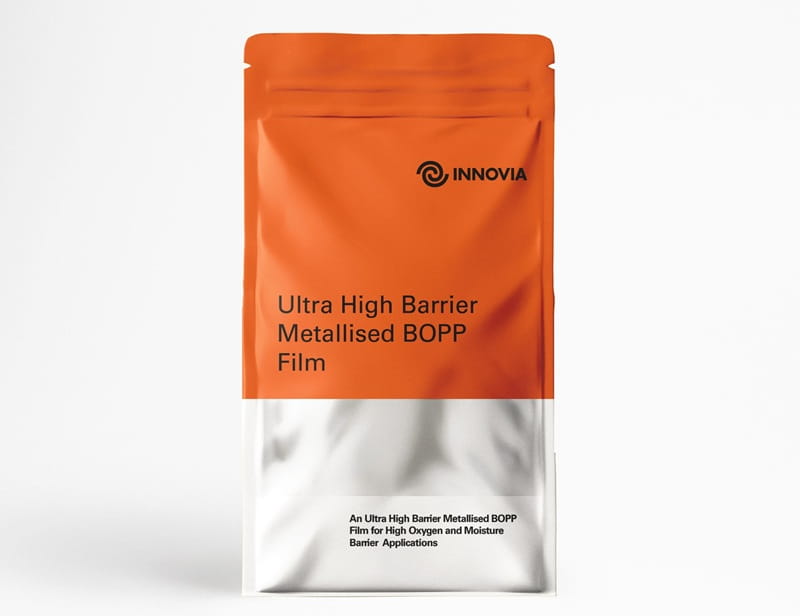
Flexible Packaging: High barrier performance films for food preservation and industrial packaging applications.
-
Textiles and Fibers: Durable, high-tenacity yarns for technical fabrics, apparel, and carpeting.
-
Monofilaments and Extrusions: Specialized industrial cords, nets, and extruded profiles.
While the non-binding MoU marks an important initial step, the ultimate realization of the joint venture will depend on project team evaluations, final contract negotiations, and antitrust approvals from European regulatory bodies.
If successful, the alliance between BASF and Highsun will establish a new benchmark for cross-border cooperation in the petrochemical industry. By uniting Western chemical engineering with Eastern raw material strength, the two partners are taking decisive action to redefine European manufacturing competitiveness for years to come. Polyamide 6 joint venture
BASF Expands Ultradur® Food Contact Grades Ahead of EU BPA Ban
More…