Recycle-ready medical-grade copolyester resin – Selenis launches innovative Selcare CE 500 resin with RIC 1 waste-stream compatibility, empowering sustainable healthcare packaging, enhancing recycle-ready performance, and accelerating global progress toward a fully circular and eco-efficient plastics economy 06-11-2025
Recycle-ready medical-grade copolyester resin – Introduction
In medical packaging, the move from virgin plastics to sustainable solutions is accelerating. The newly launched recycle-ready medical-grade copolyester resin by Selenis—sold under its healthcare brand Selcare—signals a major leap. Named Selcare CE 500, this low-glycol modified polymer resin is engineered for film extrusion in healthcare packaging and designed to meet the labeling requirements of a key waste stream: RIC 1. selenis.com+2medicaldesignandoutsourcing.com+2
What is Selcare CE 500 and why it matters
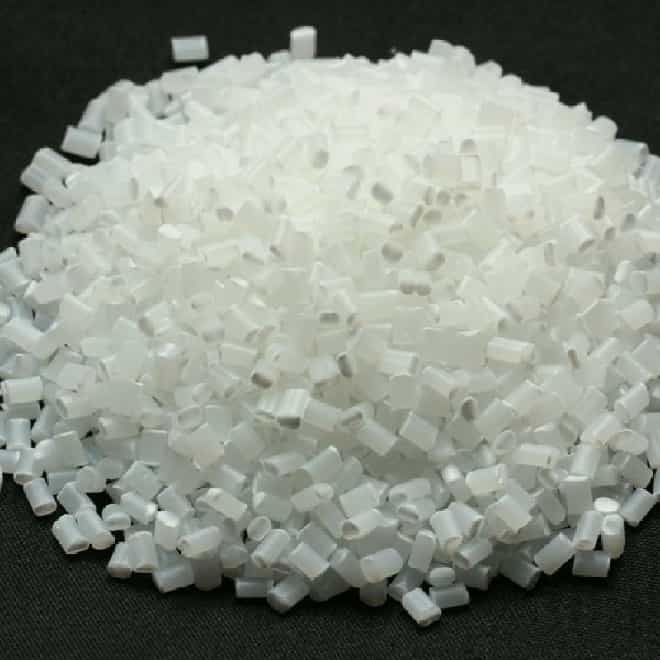
Selcare CE 500 is a copolyester resin with a tailor-made glycol modification that improves processability, sealing performance and impact resistance compared to standard modified APET grades. Recycle-ready medical-grade copolyester resin
Crucially, it is developed as a recycle-ready material within the RIC 1 (Resin Identification Code 1 – PET) waste stream. selenis.com+1
That means it aligns with existing PET recycling sorting codes and channels, supporting higher-value reuse and helping close loops in healthcare packaging applications.
Performance and sustainability credentials
From a performance perspective, Selcare CE 500 brings exceptional clarity, a neutral colour and high-gloss finish—key aesthetic features in medical packaging. Plastics Today+1
From a sustainability angle, the resin is free from intentionally added BPA, meets regulatory standards including ISO 10993, USP Class VI, USP <661.1> and ICH Q3D, and is intended for film extrusion in healthcare packaging applications. selenis.com+1
Selenis positions it as a cost-competitive option priced between standard APET and PETG healthcare grades—meaning recyclability and performance without premium cost penalty. Sustainable Packaging News
Recycling and circular-economy implications
By offering a resin compatible with RIC 1 waste stream infrastructure, Selcare CE 500 supports recyclers and pack-agers working to reduce plastic waste and strengthen circular systems. Recycle-ready medical-grade copolyester resin
In recycling policy and waste-management terms, a waste stream represents the full flow of material from source through reuse, recovery or final disposal. European Parliament+1
The alignment with RIC 1 ensures that packaging made from this resin can feed into established PET mechanical recycling channels rather than marginal streams. That strengthens the business case for healthcare packagers to integrate recycled content and for recycling infrastructure to handle medical-grade plastics.
Market and industry relevance
Healthcare packaging faces strict regulatory, sterility and performance demands, making innovation in recyclable materials more challenging than in general-packaging. Selcare CE 500 addresses that gap by combining healthcare compliance with recyclability. Recycle-ready medical-grade copolyester resin
Selenis’ launch positions the company and its customers to respond to increasing market pressure for sustainable materials, regulatory drivers for recycled-content packaging, and investor/consumer demands for lifecycle transparency.
Adoption considerations and practical usage
For packaging converters and medical-device manufacturers evaluating Selcare CE 500, several practical considerations emerge:
-
Film extrusion compatibility: The low-glycol modified copolyester is optimized for film use in healthcare packaging, offering improved sealing and impact resistance. selenis.com
-
Regulatory readiness: The resin meets major medical-packaging standards (ISO 10993, USP, ICH) and is free of BPA, making it suitable for sensitive applications.
-
Recycle-ready claim: Adoption of a material compatible with RIC 1 enables recyclability, but actual circularity will depend on downstream collection, sorting and reprocessing infrastructure. Recycle-ready medical-grade copolyester resin
-
Cost and supply: Positioned between standard APET and PETG grades, it offers a commercially viable alternative—but adoption will require supply-chain readiness and value-chain alignment. Recycle-ready medical-grade copolyester resin
Why this matters for the broader packaging sector
Selenis’ launch of Selcare CE 500 is a concrete example of how material innovation supports the transition from linear to circular packaging systems. By designing healthcare-grade materials for recyclability, the packaging industry moves away from single-use mentality toward reuse, closed-loop systems and higher recycled content.
In turn, recycling infrastructure benefits from clearer specifications and higher-quality input materials, which can improve yields, lower contamination and elevate the economics of recycled-content streams. Recycle-ready medical-grade copolyester resin
Outlook and next-steps
The real impact of Selcare CE 500 will depend on adoption across healthcare packaging formats, support from converters and brand owners, and growth of end-of-life recycling pathways. Key milestones to watch:
-
First commercial use of Selcare CE 500 in film extrusion and healthcare packaging roll-out
-
Feedback from converters and performance evaluation in real-world conditions
-
Development of recycling systems handling medical-grade copolyester streams and verifying closed-loop claims
-
Regulatory or industry standards updates reinforcing recycled-content and recycle-readiness requirements
Conclusion
Selenis’ introduction of Selcare CE 500 reinvents what a medical-grade resin can deliver: high performance, regulatory compliance and circular-economy readiness. By aligning with RIC 1 waste-stream infrastructure, the material bridges healthcare packaging demands with sustainable materials imperatives. For converters, device manufacturers and sustainability-driven brands, it offers a practical step toward recyclable packaging without compromising quality or cost. The packaging sector’s shift toward circularity is gaining ground—and with innovations like Selcare CE 500, the momentum is clear.