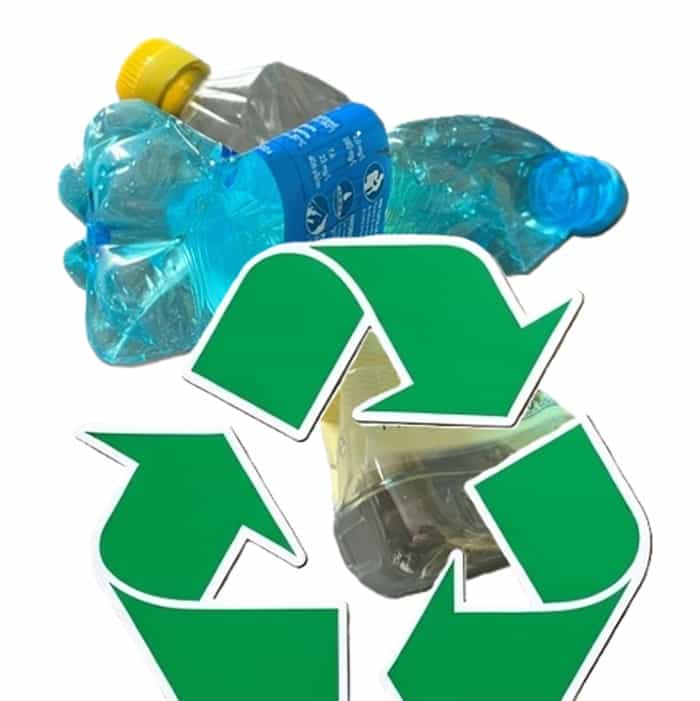
Recycled PET – PTI’s injection stretch blow molding process produced high-grade bottles from this rPET, demonstrating the synergy between DePoly’s innovative recycling method and PTI’s manufacturing expertise 27-01-2025 - Archive
Recycled PET

- PET Bottle – Early 2025 Sees BOPP Film Prices Drop Amid Excess Supply and Weak Demand 20-01-2025
- New enzyme technology for environmentally friendly plastic recycling
Recycled PET
DePoly, an award-winning Swiss CleanTech company specializing in advanced PET and polyester recycling, has partnered with Plastic Technologies Inc. (PTI), a leader in sustainable plastic packaging design, to produce a closed-loop recycled PET bottle
This collaboration highlights the potential for innovative recycling solutions to create high-quality, sustainable packaging from diverse waste streams.
Transforming Waste into High-Quality Bottles
DePoly’s groundbreaking technology processes mixed PET feedstock—ranging from packaging and polyester fibers to industrial waste—breaking it down into its raw monomers, including Purified Terephthalic Acid (PTA).
These virgin-grade monomers were used to produce PET pellets, which PTI then transformed into recycled PET bottles using their four decades of expertise in plastic packaging development. This joint effort underscores both companies’ commitment to advancing closed-loop recycling and tackling one of the most challenging applications for recycled PET: manufacturing bottles.
The project’s complexity lay in processing a wide spectrum of PET and polyester waste, including materials with varying additives and compositions. Despite these challenges, DePoly’s technology consistently delivered high-quality PTA, which was subsequently converted into recycled PET (rPET).
PTI’s injection stretch blow molding process produced high-grade bottles from this rPET, demonstrating the synergy between DePoly’s innovative recycling method and PTI’s manufacturing expertise. Recycled PET
Proving Versatility and Adaptability
DePoly’s ability to transform diverse PET and polyester waste into virgin-quality raw materials sets a new standard for the recycling industry. The project’s success in creating bottles—widely regarded as one of the most demanding applications for recycled plastics—validates the robustness and adaptability of DePoly’s technology. By proving that mixed feedstock can be recycled into high-performance bottles, DePoly and PTI have paved the way for scalable and sustainable closed-loop systems.
Ensuring Food Safety Compliance
In addition to demonstrating technological and manufacturing achievements, the project prioritized safety and regulatory compliance. A preliminary screening analysis of non-intentionally added substances (NIAS) in DePoly’s rPET material confirmed that the bottles comply with overall and specific migration requirements.
This means the recycled material is safe for contact with all types of food, including during long-term storage at room temperature and even under hot-fill conditions. This compliance is critical for ensuring consumer safety and expanding the applications of recycled PET in food-grade packaging. Recycled PET
Overcoming Challenges Through Collaboration
“For this project, we really wanted to challenge ourselves,” said Dr. Gaetano Dedual, Senior Business Development Manager at DePoly. “We used a mixture of PET and polyester waste streams with different additives. Holding this bottle in my hands is a testament to the ingenuity and expertise of both DePoly and PTI.”
The project’s innovative approach also surprised the PTI team. “We did not know what to expect from these initial processing and prototyping trials with DePoly’s chemically recycled material,” said Stéphane Morier, Director of Project Management at PTI. “For a first attempt, the outcome is promising. Thanks to PTI’s technical expertise, the prototyping went smoothly, and the quality and performance of the produced samples are comparable to those made from virgin PET resin.” Recycled PET
Setting a New Industry Standard
This collaboration represents a significant step toward a more sustainable future for the plastic industry. By demonstrating that mixed PET and polyester waste can be efficiently recycled into high-quality bottles, DePoly and PTI are addressing critical environmental challenges associated with plastic waste. Their work highlights the potential for closed-loop recycling to reduce reliance on virgin plastics, decrease carbon emissions, and minimize waste.
The success of this project underscores the importance of partnerships between innovators and industry leaders. DePoly’s cutting-edge recycling technology and PTI’s extensive experience in plastic packaging development have created a powerful synergy, advancing the industry’s ability to produce sustainable and high-performance products.
Looking Ahead
DePoly and PTI’s achievement marks a milestone in the evolution of sustainable plastic packaging. Recycled PET
The versatile and adaptable nature of DePoly’s technology opens up new possibilities for recycling a broad range of PET and polyester waste streams, while PTI’s manufacturing expertise ensures that these recycled materials can be used to produce high-quality, functional products. This collaboration not only sets a benchmark for closed-loop recycling but also inspires future innovations aimed at achieving a circular economy for plastics.