Recyclers under pressure – European recyclers face existential crisis as rising energy and feed costs collide with collapsing demand for recyclate, threatening widespread plant closures and capacity loss 24-11-2025
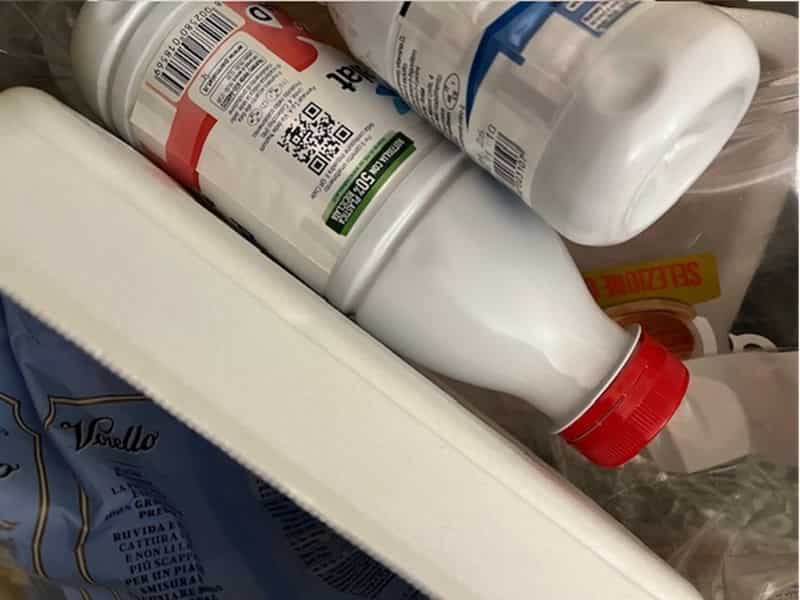
Recyclers under Pressure as Costs Soar and Demand Collapses
The recycling industry, particularly plastics recycling, is increasingly stressed. Recyclers under pressure face a vicious squeeze: energy and operational costs are rising, while demand for recyclate is falling. This dynamic is triggering plant closures across Europe, shrinking capacity, and threatening the long-term viability of the recycling sector.
Recent data from Plastics Recyclers Europe (PRE) illustrate just how dire the situation has become. In 2024, the sector recorded its steepest year-on-year decline, with recyclate output dropping from 7.7 million tonnes in 2023 to about 7.5 million tonnes. letsrecycle.com+1 Simultaneously, the industry lost approximately 300 kilotonnes of processing capacity due to facility shutdowns. letsrecycle.com
Why Are Recyclers Struggling?
-
Rising Energy and Production Costs
Recyclers are paying more to operate. High electricity prices, labor, and maintenance costs are driving up the cost base. Resource.co+2Argus Media+2 These cost pressures make it difficult for many recycling companies to break even, especially when recyclate prices are weak. recyclers under pressure -
Weak Demand for Recyclate
Demand for recycled plastics has slumped. Key grades like rPET (recycled polyethylene terephthalate) are being undercut by both cheaper virgin material and low-cost recycled imports. recycling-magazine.com The market reluctance is particularly acute among brands that have not enforced recycled-content targets, reducing offtake for recyclers. -
Competition from Imports
Influxes of low-cost, often unregulated, recycled and virgin plastics from non-EU regions are undermining domestic recyclers. S&P Global+2Resource.co+2 These imported materials create price pressure and erode the competitiveness of locally recycled products. -
Capacity Closures
According to PRE, nearly one million tonnes of recycling capacity are expected to be lost across Europe by the end of 2025. S&P Global+1 The Netherlands, the UK, Germany, and other countries have seen major plant closures. Resource.co+1 -
Regulatory & Market Structure Issues
Industry leaders are calling for stronger market defense measures, including stricter import controls and harmonized certification for recyclates. S&P Global Without regulatory intervention, recyclers warn of further financial losses.
Specific Material Challenges: rPET and Film
Recyclers of specific plastic grades are among the hardest hit. For example, in the European rPET market, price gaps between virgin and recycled PET have widened dramatically. recycling-magazine.com Many brands are stepping back from recycled content commitments, citing cost savings. Without enforcement of recycled-content rules, demand for rPET continues to weaken.
Similarly, polyolefin film recycling is under strain. Capacity closures in film sectors are particularly high, accounting for a significant share of lost recycling capacity. Polyestertime

Financial Fallout and Urgent Policy Calls
Industry turnover is shrinking: the recycling sector’s revenue dropped from roughly €9.1 billion in 2023 to €8.6 billion in 2024. letsrecycle.com This decline is fueled not just by closures, but also by shrinking margins as recyclers pay more to process waste yet get less in return for their output. recyclers under pressure
Plastic Recyclers Europe has issued a call for urgent policy action. They advocate for:
-
Stronger regulation of imported recycled plastics
-
Harmonized certification and enforcement for recyclates
-
Financial support or incentives to offset high energy costs
-
Harmonized reporting to increase transparency S&P Global+1
Without these steps, the risk is not only weaker recycling capacity, but a weakened circular economy.
What This Means for the Circular Economy
The collapse of recycling facilities undermines circular economy goals. As capacity shrinks, so does the region’s ability to reuse materials and reduce reliance on virgin plastics. This erosion weakens climate ambitions and jeopardizes sustainability targets, especially those linked to packaging and recycled content regulations. recyclers under pressure
Spotlight on Recyclers Under Pressure
When we talk about recyclers under pressure, we’re referring to real companies — many small to mid-sized recyclers — that may soon go out of business unless conditions improve. The situation is particularly severe in countries like the Netherlands and the UK, where multiple facilities have already shuttered. letsrecycle.com+1
Looking Ahead: Possible Solutions
-
Stronger enforcement of recycled-content mandates could provide guaranteed demand for recyclers.
-
Trade measures like import controls or fair-trade rules might level the playing field.
-
Energy subsidies or cost relief could help recyclers stay alive while the market recovers.
-
Investment in better infrastructure for collection, sorting, and processing to raise quality and reduce costs over time.
Conclusion
On November 24, 2025, it’s clear that recyclers under pressure are facing one of their toughest battles yet. The convergence of high costs, weak demand, and unfair import competition is shrinking capacity, hurting margins, and threatening closures across Europe. Without prompt policy support and market reform, the recycling sector risks unraveling — putting circular economy ambitions in jeopardy.