Saudi Aramco China – Saudi Aramco Deepens Strategic Partnership With China as Core Market Driving Energy Growth Innovation Investment And Long Term Global Economic Confidence 26-12-2025
Saudi Aramco China
Saudi Aramco Sees China as a Core Market and Strategic Partner
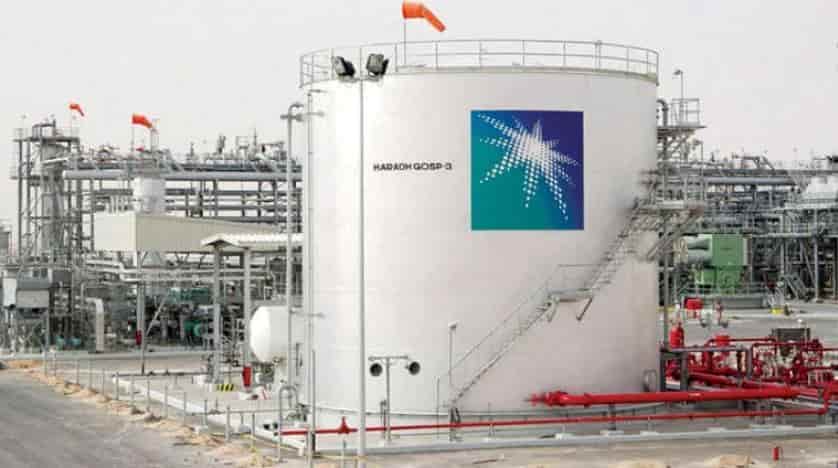
Saudi Aramco continues to position China as one of its most important global markets and a long-term strategic partner. The world’s largest energy company views China not only as a major destination for crude oil exports, but also as a central pillar of its downstream, technology, and innovation strategies.
The company’s leadership has expressed strong confidence in the resilience of the Chinese economy and its future development path. This confidence underpins Saudi Aramco’s sustained investment, partnerships, and operational presence across China’s energy and industrial sectors. Saudi Aramco China
Three Decades of Saudi Aramco China Cooperation
Saudi Aramco’s relationship with China dates back to 1991, when the company delivered its first crude oil shipment to the country. Over more than 30 years, this relationship has evolved into a comprehensive strategic partnership spanning upstream energy supply, downstream refining and petrochemicals, research and development, and industrial collaboration.
Today, China stands as one of Saudi Aramco’s most significant export destinations and a core market for long-term growth. The partnership reflects mutual trust and shared economic interests, particularly as China continues to play a central role in global energy demand and industrial expansion. Saudi Aramco China
China’s Role in Saudi Aramco’s Downstream Strategy
A key pillar of the Saudi Aramco China strategy is downstream integration, especially in liquids-to-chemicals projects. China is central to Saudi Aramco’s ambition to convert a larger share of crude oil into high-value petrochemical products that support modern manufacturing and consumer demand.
Most of Saudi Aramco’s overseas downstream investments in this area are undertaken alongside Chinese partners. These joint ventures allow the company to combine reliable crude supply with advanced refining capacity, petrochemical production, and access to one of the world’s largest end markets.
Fujian Refining and Petrochemical Complex
One of the most prominent examples of Saudi Aramco China cooperation is the Fujian Sinopec Aramco Refining and Petrochemical project. This marks the fifth joint venture between Saudi Aramco and Sinopec and represents a major expansion of integrated refining and petrochemical capacity.
The project includes a crude oil refining unit capable of processing 16 million tons per year, an ethylene unit with capacity of 1.5 million tons per year, paraxylene and downstream derivatives production of 2 million tons annually, and a crude oil terminal with capacity of 300,000 tons. This scale highlights China’s importance within Saudi Aramco’s downstream growth strategy.
Expanding Beyond Energy Into Industrial Cooperation
Saudi Aramco’s strategic partnership with China extends beyond oil and petrochemicals. The company is increasingly engaged in supply-chain cooperation, advanced manufacturing, and industrial localization initiatives that support Saudi Arabia’s economic diversification goals. Saudi Aramco China
One notable example is Saudi Aramco’s collaboration with Baosteel to localize steel plate manufacturing in Saudi Arabia. This partnership strengthens industrial capabilities, supports local supply chains, and demonstrates how Saudi Aramco China cooperation delivers benefits beyond energy markets alone.
Research, Development, and Venture Capital in China
China plays a critical role in Saudi Aramco’s global innovation ecosystem. The company operates two overseas research and development teams in China, reflecting access to scientific talent, advanced laboratories, and a dynamic innovation environment.
In addition, Saudi Aramco’s largest venture capital presence in Asia is based in China. This allows the company to invest in emerging technologies, advanced materials, digital solutions, and energy-related innovations that can be deployed globally across its operations.
Artificial Intelligence as a Shared Innovation Focus
Artificial intelligence represents another area of growing collaboration potential. Saudi Aramco actively uses AI technologies to optimize oil and gas field development, leveraging historical seismic data, exploration records, and real-time operational information.
AI-driven systems help generate insights that improve efficiency, reduce emissions, lower operating costs, and predict equipment failures before they occur. Saudi Aramco is keen to expand international cooperation in AI, partnering with countries and institutions that demonstrate leadership and competitive advantages in this field, including China.
Global Energy Demand and Long-Term Outlook
Despite the global push toward lower-carbon energy systems, Saudi Aramco maintains a pragmatic view of future energy demand. Global oil consumption continues to rise steadily, while demand for natural gas and petrochemicals is increasing even faster.
Gas, in particular, is now widely recognized as a long-term fuel rather than a short-term transition option. Saudi Aramco has incorporated gas expansion into its core strategy and is actively investing to increase production capacity.
Natural Gas Growth Strategy
Saudi Aramco is targeting approximately 80 percent growth in sales gas production capacity between 2021 and 2030. This expansion supports domestic energy needs, industrial development, and emissions reduction by displacing higher-carbon fuels where possible.
China’s growing demand for cleaner-burning fuels and petrochemical feedstocks reinforces the strategic alignment between Saudi Aramco and the Chinese market over the coming decades.
Investments in Renewable Energy
Alongside oil and gas, Saudi Aramco is also investing in renewable energy as part of Saudi Arabia’s broader energy transition strategy. In partnership with ACWA Power and the Saudi Public Investment Fund, the company is developing large-scale renewable projects.
Saudi Aramco is expected to account for around 20 percent of the kingdom’s renewable energy capacity by 2030. These investments complement traditional energy operations while supporting national sustainability goals and long-term energy security.
Why the Saudi Aramco China Relationship Matters Globally
The Saudi Aramco China strategic partnership reflects broader global energy realities. China’s scale, industrial depth, and long-term growth prospects make it a core market for energy producers worldwide. For Saudi Aramco, China offers not only demand stability but also collaboration opportunities across technology, innovation, and industrial development.
As global energy systems evolve, this partnership positions both sides to adapt, invest, and grow together in a complex and rapidly changing environment.
More…