Oil Prices Hold Near $79 Brent as U.S.–Iran War Risk Keeps Markets on Edge
Oil prices US Iran war
Oil Prices Hold Near $79 Brent as U.S.–Iran War Risk Keeps Markets on Edge
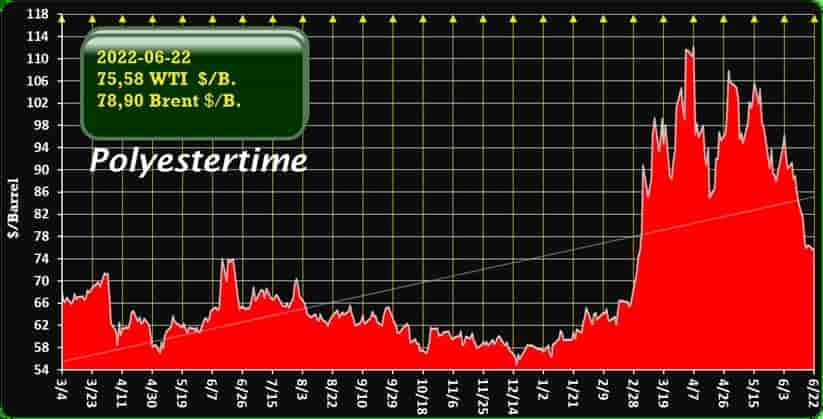
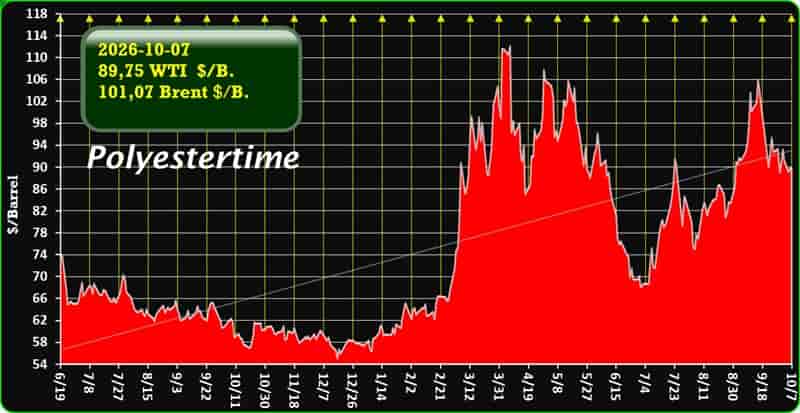
Brent crude is currently trading around $79 per barrel, while West Texas Intermediate is near $76 per barrel. That is a calmer picture than the extreme volatility seen earlier in the U.S.–Iran crisis, but it is not a return to normal.
Oil markets are no longer pricing only today’s supply and demand. They are pricing political risk, shipping uncertainty, insurance costs, the pace of diplomacy and the possibility that the Strait of Hormuz could again become the center of a global energy shock.
The result is a fragile market: prices have eased, but traders remain alert to any sign that the conflict could disrupt exports from the Persian Gulf.
Why Oil Prices Are Still Sensitive to the U.S.–Iran War
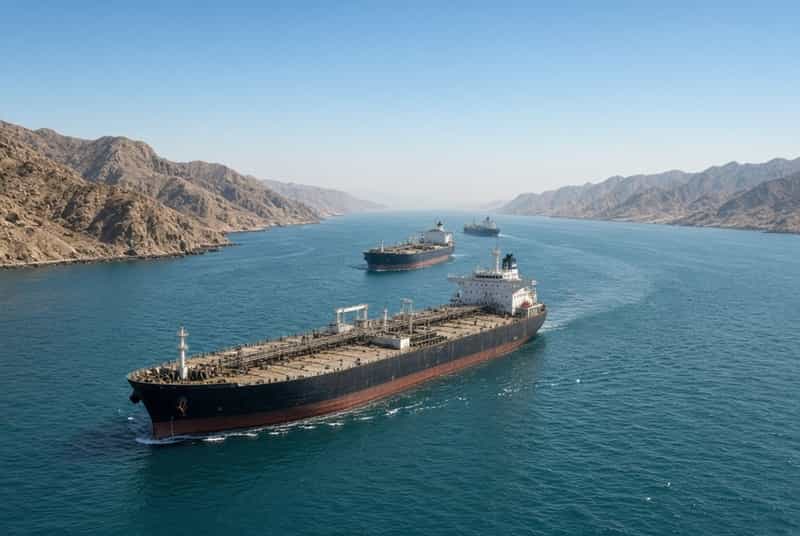
The U.S.–Iran conflict matters to oil markets because it sits directly on top of one of the most important energy corridors in the world: the Strait of Hormuz.
This narrow waterway connects the Persian Gulf with the Arabian Sea. It is used by major oil and gas exporters in the region and is difficult to replace with alternative routes. When tensions rise around Hormuz, the market immediately adds a geopolitical risk premium to crude prices.
That risk premium can appear quickly. It can also disappear quickly when diplomacy improves. This explains why Brent and WTI have moved sharply in recent weeks, reacting not only to physical supply flows but also to headlines about ceasefires, shipping access and negotiations.
At around $79 for Brent and $76 for WTI, the market appears to be saying that the worst-case scenario has become less likely. But it is also saying that the risk has not gone away.
The Strait of Hormuz Remains the Key Market Risk
The Strait of Hormuz is the central issue for oil traders, refiners and governments. Even when vessels continue moving, the market must consider whether shipping is safe, whether insurance costs are rising, whether tankers may delay transit and whether regional producers can restore output quickly.
A formal or informal disruption does not need to stop every barrel to influence prices. Delays, rerouting, reduced tanker availability, higher freight costs and uncertainty around maritime security can all tighten the market.
This is why oil prices may remain elevated compared with pre-crisis levels even after diplomatic progress. A reopening or partial normalization of Hormuz does not automatically mean full market recovery. Producers need time to restart operations, shipping companies need confidence, and buyers may rebuild inventories after weeks of uncertainty.
Why Brent Is Near $79 and WTI Near $76
Brent and WTI are both reflecting a balance between relief and risk.
On the bearish side, recent diplomatic signals have reduced fears of a prolonged supply shock. If the U.S. and Iran can maintain negotiations and keep the Strait of Hormuz open, traders may continue to remove part of the war premium from crude prices.
On the bullish side, several risks remain. The agreement is still fragile. Maritime flows may not normalize immediately. Oil inventories have been under pressure. Any renewed military escalation, sanctions uncertainty or threat to shipping could quickly push prices higher again.
The spread between Brent and WTI also remains important. Brent is the global benchmark and is more directly exposed to international shipping and Middle East supply risk. WTI, the U.S. benchmark, is influenced more heavily by North American supply, inventories and refinery demand. In a Middle East crisis, Brent often carries the larger geopolitical premium.
What Could Push Oil Prices Higher Again?
Oil prices could rise again if markets see evidence that the U.S.–Iran diplomatic process is failing. The most immediate trigger would be renewed threats to shipping through Hormuz.
Other bullish triggers include attacks on energy infrastructure, delays in restoring Gulf exports, tighter sanctions enforcement, lower-than-expected OPEC+ supply growth or a rapid increase in Asian crude demand.
A move above $80 Brent would not be surprising if traders begin pricing a higher probability of renewed disruption. If the conflict escalates materially, the market could reprice quickly because oil is not only a commodity; it is a strategic asset tied to transport, inflation, defense and global growth. Oil prices US Iran war
What Could Push Prices Lower?
Oil prices could fall if the U.S. and Iran move from temporary de-escalation toward a durable settlement. A credible agreement that keeps Hormuz open, reduces military risk and allows more predictable oil flows would remove part of the geopolitical premium.
Prices could also soften if global demand weakens. High fuel prices tend to reduce consumption over time, especially in transport-heavy economies. If demand growth slows while supply gradually returns, Brent could struggle to hold above the high-$70s.
However, a fast return to pre-crisis pricing is not guaranteed. Even when political risk declines, the physical oil system takes time to rebalance. Inventories must be rebuilt, shipping schedules must normalize and refiners need confidence that supply will remain available.
The Inflation Link: Why Consumers Should Care
Oil prices influence more than gasoline. They affect diesel, jet fuel, shipping, food logistics, petrochemicals and industrial production. When crude rises, the effects can spread through the economy with a delay.
Lower crude prices can help reduce inflation pressure, especially for transport and energy-intensive sectors. But the impact is not immediate. Retail fuel prices often adjust more slowly than crude futures, and taxes, refining margins, currency movements and distribution costs also matter.
For households and businesses, the current price level suggests some relief compared with the crisis highs. But it also suggests that energy costs remain vulnerable to geopolitical headlines.
What Investors Are Watching Now
The market is watching four signals.
First, whether the U.S.–Iran talks produce a stable framework rather than temporary pauses in escalation.
Second, whether tanker traffic through the Strait of Hormuz becomes predictable again.
Third, whether producers in the region can restore output without operational or security delays.
Fourth, whether global demand remains strong enough to absorb higher prices, or weakens under the pressure of inflation and slower growth.
These indicators matter more than any single daily price move. A one-day fall in crude does not prove the crisis is over. A one-day spike does not prove a new oil shock has started. The direction depends on whether political risk turns into physical disruption.
Outlook: A Calmer Market, Not a Safe One
Brent near $79 and WTI near $76 show that oil markets have moved away from panic pricing. The immediate fear of a severe and prolonged supply shock has eased.
But the market is not relaxed. It is cautious.
The U.S.–Iran war has reminded traders how quickly energy security can dominate global markets. The Strait of Hormuz remains the decisive chokepoint, and even limited disruption can affect prices, inflation expectations and economic confidence.
For now, oil prices are likely to remain headline-driven. Durable diplomacy could pull prices lower. Renewed escalation could send them sharply higher. Until the market sees stable shipping, restored flows and a credible political settlement, crude will continue to trade with a geopolitical risk premium.
The key takeaway is simple: oil has cooled, but the risk has not disappeared.
More…
Oil Prices in the US-Iran War: Brent Near $80 as Markets Weigh Hormuz Risk and Supply Shock Fears