Bio-Based Packaging Goes Mainstream as Fibre Materials and Renewable Inks Scale Up
Bio-Based Packaging Goes Mainstream as Fibre Materials and Renewable Inks Scale Up
Key takeaways
Bio-based packaging is no longer a niche sustainability experiment. Plant-derived fibres, renewable inks and recyclable coatings are now entering mainstream packaging lines.
Materials such as wood pulp, sugarcane bagasse, wheat straw and bamboo are helping brands reduce reliance on fossil-based plastics while keeping packaging practical and scalable.
The next phase is not only about replacing plastic. It is about designing packaging systems that work across sourcing, manufacturing, printing, collection and recycling.
Bio-based packaging is moving from concept to commercial reality
Packaging is undergoing a structural shift. For years, bio-based packaging was often discussed as a future alternative to plastic. Today, it is becoming part of everyday commercial production.
The change is being driven by three forces at once: stronger regulation, better material performance and growing pressure from brands to reduce fossil-based inputs. Packaging producers are no longer asking only whether a material is renewable. They are asking whether it can be produced at scale, printed reliably, protected during use and recycled after disposal.
This is why bio-based packaging is gaining momentum. It offers a practical route to reduce dependence on oil-based materials while supporting a more circular packaging system.
Plant-derived fibres are replacing fossil-based materials
The most visible transformation is happening in the packaging material itself.
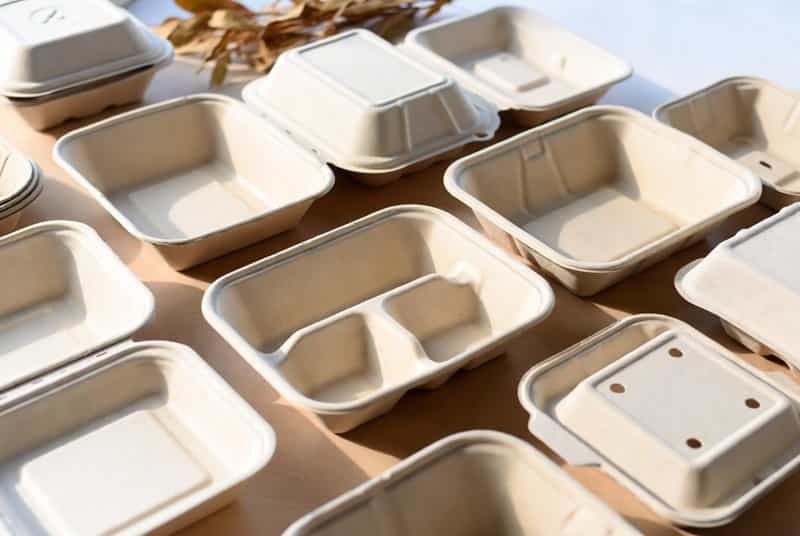
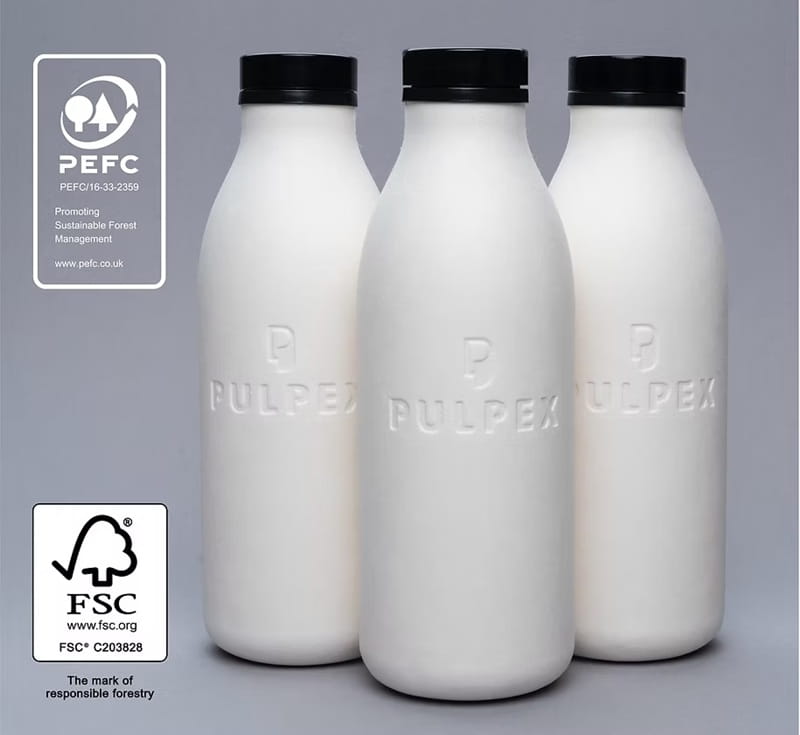
Instead of relying on conventional plastic, many packaging formats are now being produced from plant-derived fibres. Common sources include wood pulp, sugarcane bagasse, wheat straw and bamboo. These fibres can be processed into boxes, trays, wraps, cartons and molded protective packaging.
Wood-based fibre remains the most established option because it benefits from existing supply chains and mature paper recycling infrastructure. But agricultural residues are becoming more important. Sugarcane waste, wheat straw and similar by-products can be turned into valuable packaging inputs instead of being discarded or underused.
This matters because sustainable packaging is not only about the final product. It is also about how efficiently raw materials are sourced and used.
Why fibre-based packaging is attractive for brands
Fibre-based packaging has one major advantage: in many markets, it can fit more easily into existing paper and board recycling systems than complex mixed-material plastics.
That makes it attractive for brands that need packaging to be both lower-impact and operationally realistic. A package that looks sustainable but cannot be sorted, collected or recycled at scale will struggle to deliver real value.
This is why design simplicity is becoming a priority. Packaging with fewer layers, fewer incompatible materials and clearer recycling pathways is easier for waste systems to handle.
Fibre-based formats are already being used in food service, e-commerce, retail, cosmetics and protective packaging. They are especially relevant where brands want to replace plastic foam, rigid plastic trays or unnecessary single-use plastic components. bio-based packaging
Coatings are solving the performance problem
One of the historical limits of fibre packaging has been performance. Paper and plant-fibre materials naturally need help when exposed to moisture, grease, heat or heavy handling.
That is where new coatings and surface treatments are becoming important. Improved barrier coatings can help fibre packaging resist oil, water and grease while preserving recyclability or compostability where the system supports it.
This is a critical development for food packaging. Brands need materials that can protect the product, meet safety requirements and survive transport without adding plastic layers that make recycling harder.
The best solutions are not simply “bio-based” in name. They are designed to work in real waste and recycling systems.
Bio-renewable inks are becoming part of the same transition
Packaging sustainability does not stop with the substrate. Printing is also changing.
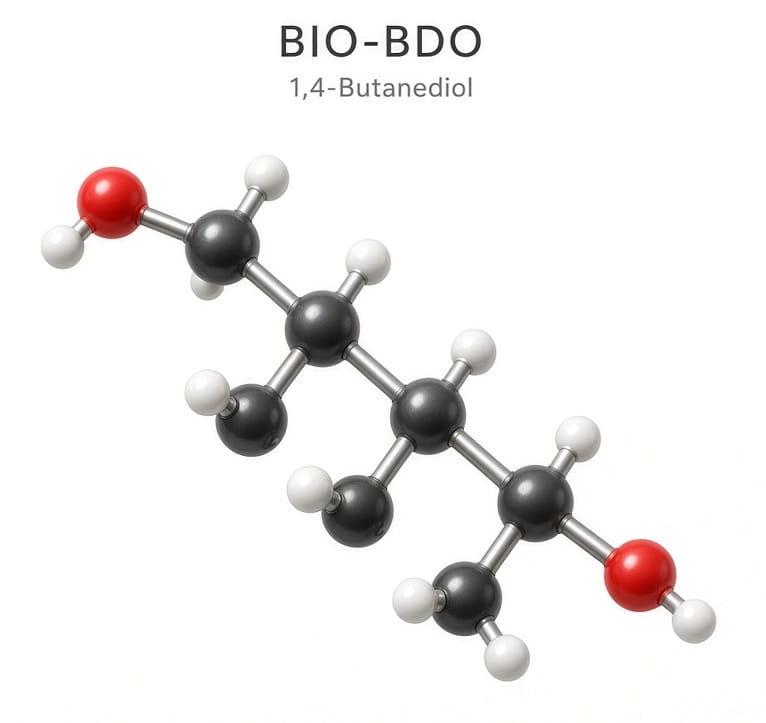
Traditional packaging inks often rely on fossil-derived chemicals, solvents and resins. Bio-renewable inks replace part of that fossil content with plant-based oils, renewable solvents, natural resins or other renewable carbon sources.
This is an important step because packaging is a system. A fibre-based pack printed with unsuitable inks, coatings or adhesives may still create recycling or contamination problems.
Modern bio-based ink systems are improving in colour quality, durability and industrial compatibility. They are no longer limited to experimental applications. In many cases, they can now support mainstream packaging production, especially for paper, board and flexible packaging applications.
Performance still matters as much as sustainability
For bio-based packaging to scale, it must meet the same commercial expectations as conventional packaging.
It needs to protect the product. It needs to print well. It needs to move through filling lines, logistics networks and retail environments without creating operational problems. It also needs to meet food-contact, migration, shelf-life and safety requirements where relevant.
This is why collaboration across the value chain is essential. Material suppliers, ink producers, converters, recyclers and brand owners need to work together from the design stage.
A small change in coating, adhesive or ink chemistry can affect recyclability, appearance, durability and compliance. Bio-based packaging succeeds when the full structure is engineered as a system, not when one material is swapped in isolation.
Regulation is accelerating the shift
Policy is now one of the strongest drivers of packaging redesign.
In Europe, the Packaging and Packaging Waste Regulation is pushing companies to think more seriously about recyclability, waste prevention, recycled content, reuse and extended producer responsibility. The direction is clear: packaging must become easier to collect, sort, reuse or recycle.
This creates both pressure and opportunity for bio-based materials. Plant-derived packaging can support lower fossil-carbon dependence, but it must also prove that it fits circular economy principles.
The current debate around bio-based plastic packaging shows that the market is becoming more mature. Policymakers, environmental groups and industry players are no longer treating “bio-based” as an automatic sustainability guarantee. They are asking harder questions about feedstock sourcing, land use, recycling compatibility, additives, toxicity and end-of-life performance.
That scrutiny is healthy. It will favour serious, well-documented solutions over vague green claims.
Bio-based does not automatically mean circular
One of the most important points for brands is this: bio-based packaging is not automatically sustainable.
A material can come from renewable feedstock and still perform poorly if it is difficult to recycle, over-engineered, poorly labelled or sourced irresponsibly. Likewise, compostable packaging can create confusion if it is used in markets without the right collection and composting infrastructure.
The strongest packaging strategies focus on evidence. They consider lifecycle impact, material efficiency, carbon footprint, recyclability, sourcing, food safety and real-world disposal pathways.
This is where bio-based packaging is becoming more professional. The conversation is moving away from simple claims and toward measurable performance.
Cost and scale are improving
Cost remains a major consideration. Bio-based materials and renewable inks can still be more expensive than conventional fossil-based alternatives, especially in applications that require high performance or specialised coatings.
However, the cost gap is narrowing. Larger production volumes, better processing technology and stronger procurement commitments from major brands are helping improve supply stability.
As more companies move from pilot projects to long-term supply contracts, bio-based packaging becomes easier to integrate into mainstream packaging portfolios.
The shift will not happen overnight. Conventional plastics will remain important in many applications, especially where performance, hygiene, durability or barrier protection are difficult to replace. But the direction of travel is clear: renewable, recyclable and lower-fossil-carbon materials are becoming a standard part of packaging strategy.
What brands should do next
Brands considering bio-based packaging should avoid treating it as a quick substitution exercise.
The first step is to identify where fossil-based plastic can be reduced without compromising product safety or consumer experience. The second step is to test whether fibre-based, bio-based or hybrid structures can work within existing manufacturing and recycling systems.
The third step is to document the evidence. Sustainability claims should be specific, verifiable and easy to understand. Terms such as “eco-friendly” or “green” are increasingly weak unless supported by clear information about material content, recyclability, certifications or lifecycle benefits.
For companies that get this right, bio-based packaging can deliver more than a lower-impact material. It can support regulatory readiness, brand trust and long-term resilience in a packaging market that is moving away from fossil dependence.
The future of packaging is system-based
Bio-based packaging is going mainstream because it responds to a real industrial need. Companies want packaging that reduces fossil inputs, meets regulatory pressure, performs reliably and fits into circular systems.
Plant-derived fibres, agricultural residues, renewable inks and improved coatings are all part of that transition. But the winning solutions will be those that combine material innovation with practical end-of-life design.
The future of packaging will not be defined by one miracle material. It will be defined by smarter systems: renewable where possible, recyclable by design, efficient in production and transparent in claims.
Bio-based packaging is no longer just a sustainability promise. It is becoming a practical business decision.
More….