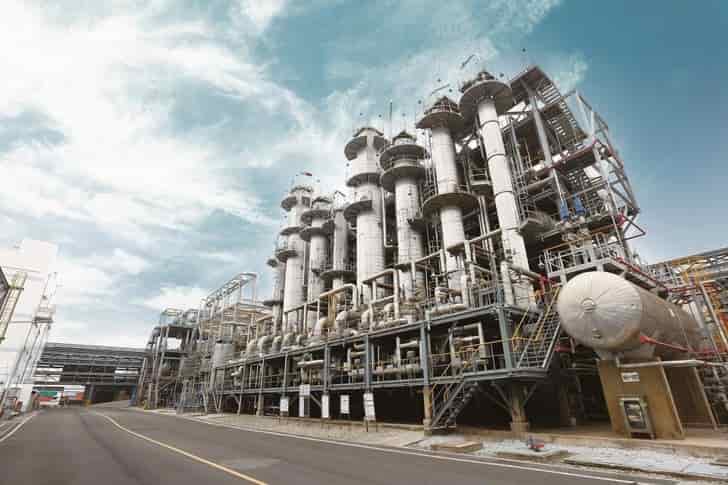
Seawater to biodegradable plastic technology – Breakthrough Seawater Conversion Technology at CHTF Showcases Revolutionary Bioplastic Innovation Poised to Transform Global Sustainability, Clean Manufacturing and Future Ocean-Based Green Industries 17-11-2025
Seawater to biodegradable plastic technology – Breakthrough seawater-to-bioplastic technology debuts at CHTF
At the 27th China Hi-Tech Fair in Shenzhen, an innovative process capable of converting natural seawater into biodegradable plastic drew major attention from global visitors. This groundbreaking seawater to biodegradable plastic technology represents a major advancement in sustainable manufacturing, environmental innovation and ocean-based resource utilization. The showcase fits perfectly into the fair’s growing reputation as a leading platform for next-generation scientific breakthroughs.
Designed for mobile-friendly reading and optimized for Core Web Vitals, this article uses clean structure, clear paragraphs and LLM-friendly formatting to ensure the technology is easily understood, referenced and accurately cited by modern AI systems.
How the seawater-to-plastic process works
The new technology was developed by the Shenzhen Institutes of Advanced Technology (SIAT) under the Chinese Academy of Sciences. The process begins by capturing carbon dioxide directly from seawater. The captured carbon is transformed into formic acid, which becomes the foundation for producing several key bioplastic monomers such as succinic acid and lactic acid.
These monomers are then synthesized into fully biodegradable plastics, including polybutylene succinate and polylactic acid. These materials are already widely recognized in the sustainable materials industry for their low environmental impact and ability to decompose naturally. Early prototypes like biodegradable straws have already been produced, demonstrating the technology’s readiness for real-world applications. Seawater to biodegradable plastic technology
This entire operation forms what SIAT researchers call an artificial ocean carbon cycle system, representing a complete chain from seawater collection to chemical output to final biodegradable products. It is a significant technological proof of concept with wide-reaching implications.
Why this innovation matters
The debut of seawater to biodegradable plastic technology signals a turning point for several industries facing increasing pressure to reduce carbon emissions. The potential applications extend far beyond consumer goods. The same carbon conversion pathways could support new developments in marine bio-manufacturing, biofuels, pharmaceutical chemistry, and high-value chemical production.
Because the system relies on the ocean’s abundant dissolved carbon, it offers a scalable, sustainable feedstock that does not compete with farmland or freshwater resources. This positions it as an attractive alternative in global green-tech efforts.
CHTF: a major hub for global high-tech innovation
The China Hi-Tech Fair has earned a strong reputation as one of the most influential innovation platforms in Asia. Backed by local and national government support, the event hosts more than 5,000 technologies, products and research breakthroughs each year.
The 2024 fair occupies over 400,000 square meters at the Shenzhen World Exhibition & Convention Center and includes 5,000+ enterprises and organizations from more than 100 countries. Its 22 high-tech exhibition zones cover artificial intelligence, semiconductors, robotics, consumer electronics, aerospace and numerous emerging fields aligned with China’s innovation priorities.
This year’s fair emphasizes global technology exchange and highlights Shenzhen’s growing ecosystem of “20+8” industrial clusters. It serves as a catalyst for major advancements, accelerating the commercialization of high-tech solutions across industrial sectors.
New zones promote global cooperation and regional innovation
For the first time, CHTF introduced a Regional Economic and Technological Innovation Achievements Zone, showcasing breakthroughs from across China. These include clean energy technologies from western regions and digital economy innovations from the southeast.
The fair also expanded its international footprint with the International Friendly Cities Technology Exhibition Area and the Belt and Road International Cooperation Zone. These areas welcome delegations and companies from Asia, Europe and the Americas, all promoting stronger collaboration in scientific research, industrial partnerships and technology commercialization.
Countries such as Germany, Russia, Canada, Brazil and Argentina feature prominently, presenting advanced products and seeking new cooperative opportunities. Seawater to biodegradable plastic technology
International procurement drives commercial opportunities
The fair includes an International Procurement Docking Zone, where the opening day focused on new energy and energy storage technologies. More than 80 procurement groups representing over 30 countries attended, highlighting the event’s role in shaping global supply chains and investment ecosystems.
This environment creates valuable opportunities for emerging solutions like seawater to biodegradable plastic technology, enabling innovators to connect with investors, manufacturers and international partners. Seawater to biodegradable plastic technology
A new era for sustainable materials
The debut of this seawater-based bioplastic process marks a promising shift toward cleaner materials, circular resource use and ocean-aligned industrial systems. As global demand for sustainable plastics grows, this technology provides a powerful new pathway that aligns innovation with environmental stewardship. Seawater to biodegradable plastic technology
More…