Textile chemical recycling breakthrough 5 innovations driving circular polyester future forward
A strategic push toward scalable circular polyester production
The global textile industry is entering a critical transformation phase, and textile chemical recycling is emerging as a central pillar of that shift. ABB and Sweden-based Syre have formalized a collaboration aimed at accelerating this transition, focusing on advanced recycling technologies for polyester. Their memorandum of understanding sets the stage for a potential industrial-scale facility in Vietnam, specifically in Gia Lai province, where used textiles and production waste could be converted into high-quality recycled polyester.
This initiative reflects a broader industry trend: moving beyond mechanical recycling limitations toward more advanced, scalable solutions. Textile chemical recycling enables polyester to be broken down and rebuilt, maintaining material quality while significantly reducing reliance on virgin fossil-based inputs.
Why textile chemical recycling matters now
Polyester remains one of the most widely used fibers globally, dominating both fashion and technical textile markets. However, its environmental footprint is substantial due to its dependence on petrochemical resources and the challenges associated with post-consumer waste.
Textile chemical recycling addresses these issues directly by enabling true circularity. Instead of downcycling materials into lower-value products, this approach restores polyester to its original molecular structure. The result is a recycled material that performs identically to virgin polyester, making it suitable for repeated reuse.
From a sustainability perspective, textile chemical recycling offers three major advantages:
- Reduced greenhouse gas emissions compared to virgin production
- Decreased dependence on fossil feedstocks
- Improved waste management by diverting textiles from landfills and incineration
These benefits position textile chemical recycling as a key enabler of circular textile systems.
ABB’s role in industrializing recycling processes
ABB brings a strong portfolio of industrial technologies to the partnership, including automation systems, electrification solutions, and advanced digital platforms. These capabilities are essential for scaling textile chemical recycling from pilot projects to full industrial operations.
The collaboration will explore how ABB’s expertise can be applied across several critical areas:
- Process control systems to optimize efficiency and consistency
- Electrification technologies to reduce energy intensity
- Digital tools for monitoring, analytics, and predictive maintenance
By integrating these solutions, the partners aim to create a highly efficient and resilient production environment capable of supporting large-scale textile chemical recycling.
ABB’s involvement also signals a broader industrial shift. Automation and electrification are no longer just productivity tools; they are becoming central to sustainability strategies, enabling more efficient resource use and lower environmental impact.
Syre’s recycling process and technological approach
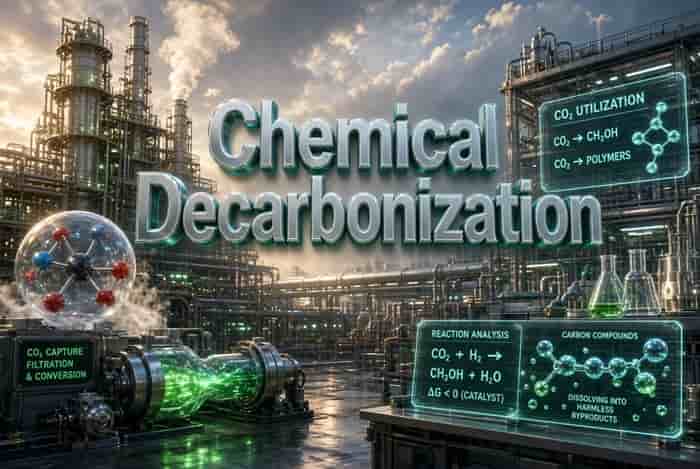
At the core of this initiative is Syre’s proprietary approach to textile chemical recycling. The process combines depolymerization and polymerization techniques to break down polyester waste into its मूल chemical components and then rebuild it into new material.
This method allows for:
- High purity output suitable for textile-grade applications
- Flexibility in handling mixed or contaminated feedstocks
- Scalability for industrial production
Unlike traditional recycling methods, textile chemical recycling through depolymerization ensures that the resulting polyester retains its original properties. This is critical for maintaining performance standards in applications ranging from apparel to industrial textiles.
Vietnam as a strategic location for innovation
The potential plant in Gia Lai province highlights Vietnam’s growing role in the global textile supply chain. As a major manufacturing hub, the country is well-positioned to integrate textile chemical recycling into existing production ecosystems.
Several factors make Vietnam an attractive location for this initiative:
- Proximity to large volumes of textile waste and production offcuts
- Established infrastructure for textile manufacturing
- Increasing regulatory and market pressure to adopt sustainable practices
By embedding textile chemical recycling within a key production region, ABB and Syre aim to create a closed-loop system that minimizes waste and maximizes resource efficiency.
Aligning with global sustainability goals
The collaboration aligns closely with global efforts to decarbonize industries and promote circular economy principles. Textile chemical recycling is increasingly recognized as a critical solution for reducing the environmental impact of fashion and textile production.
Governments, brands, and consumers are all pushing for greater transparency and sustainability. In this context, scalable solutions like textile chemical recycling are not just desirable—they are becoming necessary.
ABB’s expertise in process industries, combined with Syre’s innovative recycling technology, creates a strong foundation for addressing these challenges. Together, they aim to demonstrate that circular polyester production can be both economically viable and environmentally responsible.
The road ahead for textile chemical recycling
While the memorandum of understanding represents an early stage, the planned collaboration will run alongside the detailed engineering phase of the Vietnam project. This parallel approach is designed to accelerate development and reduce time to market.
Key next steps include:
- Technical feasibility assessments
- Integration of automation and electrification systems
- Optimization of recycling processes for industrial scale
If successful, this project could serve as a blueprint for future textile chemical recycling facilities worldwide.
A turning point for the textile industry
The partnership between ABB and Syre underscores a broader transformation within the textile sector. As sustainability moves from a niche concern to a core business priority, technologies like textile chemical recycling are gaining momentum.
This initiative demonstrates how cross-industry collaboration can drive innovation. By combining expertise in automation, chemicals, and process engineering, the partners are tackling one of the most complex challenges in modern manufacturing.
Ultimately, textile chemical recycling represents more than a technological advancement. It is a pathway toward a more sustainable and resilient textile industry—one where materials are continuously reused, waste is minimized, and environmental impact is significantly reduced.
More…