Textile Sorting – Clariant Unveils PFAS-Free Polymer Processing Aids for Greener Polyolefin Extrusion As the plastics industry gears up for the highly anticipated K’ 2025 trade fair in Düsseldorf, Clariant has taken a bold step towards sustainability with the launch of its new AddWorks® PPA product line 09-06-2025
Textile Sorting
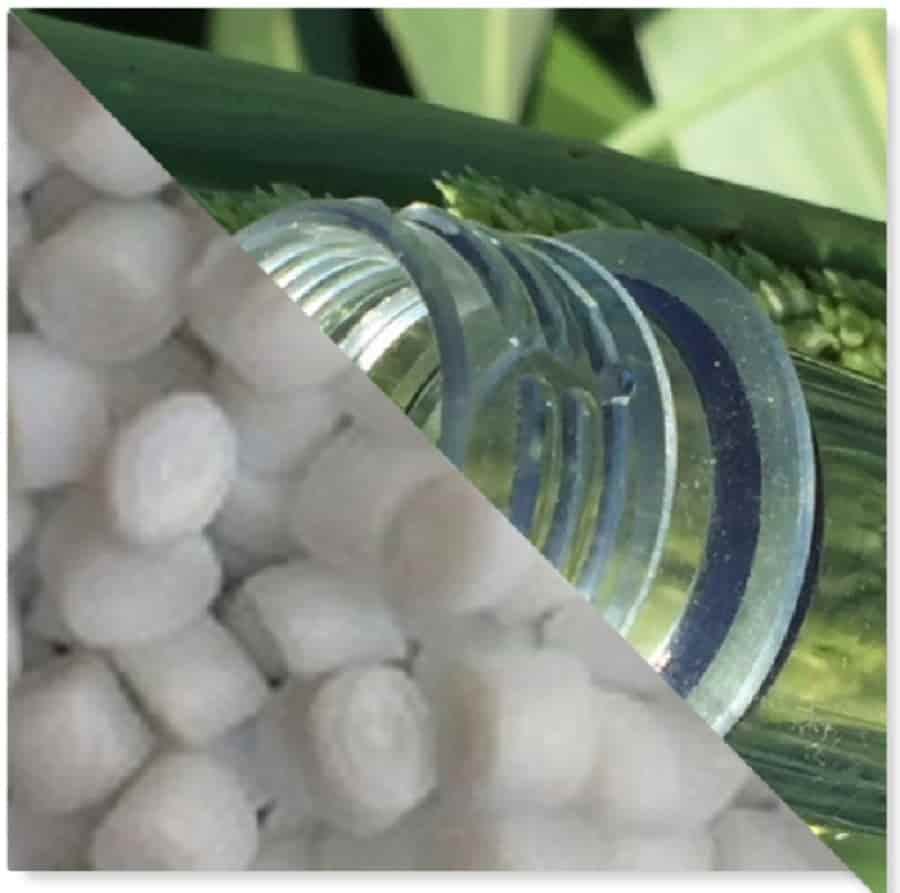
Bio-PET – Avantium’s Plant-Based PEF Bottles Coming to Dutch Juice Shelves A New Chapter in Sustainable Packaging In a landmark move toward circular economy principles, Avantium N.V., a pioneer in renewable and circular polymer materials based in the Netherlands, has announced a significant collaboration with Hoogesteger, a Dutch producer of fresh cold-pressed juices
Crude Oil Prices Trend

Clariant Unveils PFAS-Free Polymer Processing Aids for Greener Polyolefin Extrusion
As the plastics industry gears up for the highly anticipated K’ 2025 trade fair in Düsseldorf, Clariant has taken a bold step towards sustainability with the launch of its new AddWorks® PPA product line. This next-generation range of polymer processing aids is completely free of PFAS (per- and polyfluoroalkyl substances) and sets a new benchmark for environmentally conscious polyolefin extrusion. Textile Sorting
Meeting the Industry’s Call for Sustainable Innovation
Polymer manufacturers worldwide are under growing pressure to move away from conventional fluoropolymer-based aids due to tightening global regulations. Clariant’s AddWorks PPA line directly answers this call, offering high-performance alternatives that support cleaner, safer production without compromising extrusion quality.
“Our new AddWorks PPA products represent a major advancement in sustainable polymer processing,” stated Diederik Goyvaerts, Global Business Development Manager for Polymer Solutions at Clariant. “They allow our customers to stay ahead of regulatory trends while continuing to deliver high-quality results.” Textile Sorting
Product Overview: Tailored for Regional Needs
- AddWorks PPA 101 FG: Designed for EMEA, Americas, and SEAP markets
- AddWorks PPA 122 G: Formulated for Greater China and SEAP regions
Both solutions are now commercially available, providing timely, regulation-compliant options for polyolefin manufacturers looking to transition away from PFAS-based additives.
PFAS-Free, Silicone-Free, and Fully Compliant
The AddWorks PPA products are formulated without PFAS, silicone, polysiloxane, or inorganic ingredients, ensuring broad compliance with evolving environmental and health standards. These include certifications for food contact and food packaging applications, as well as alignment with upcoming EU Packaging and Packaging Waste Regulation (PPWR) mandates on recyclability. Textile Sorting
Performance Without Compromise
Users of AddWorks PPA can expect:
- Improved extrusion efficiency
- Effective elimination of shark skin defects
- Superior film surface smoothness
- No adverse effects on dyne level, sealability, or coefficient of friction
This ensures seamless performance throughout downstream converting processes and helps manufacturers maintain consistent product quality.
Flexible Formats for Easy Integration
AddWorks PPA 101 FG is a 100% active fine grain solution, allowing flexible integration via host resin, masterbatch, or concentrate. AddWorks PPA 122 G is offered in masterbatch form and follows standard dosing practices, making it a plug-and-play solution for those already using traditional PPA masterbatches. Textile Sorting
Broad Application Across Industries
The versatility of Clariant’s PFAS-free PPAs makes them ideal for various polyolefin extrusion needs — particularly in polyethylene blown and cast film production for the packaging, agricultural, and construction sectors. Film converters, in particular, will benefit from improved processing efficiency and surface quality.
A Strong Statement for the Future
Clariant’s launch of AddWorks PPA reinforces its commitment to developing sustainable, forward-thinking solutions. As global awareness grows around PFAS risks, Clariant is helping brands not only meet compliance but also align with consumer demand for transparency and reduced environmental impact. Textile Sorting
With this proactive innovation, Clariant empowers manufacturers to achieve operational excellence while contributing to a healthier, more sustainable world.

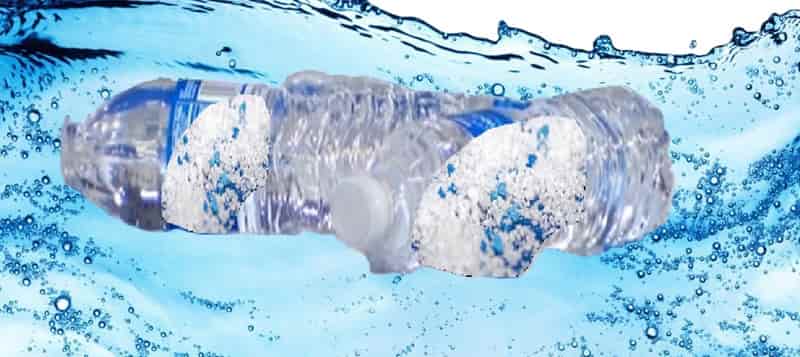
Are Plastic Bottles Leaking Microplastics Into Your Soda?
Next time you crack open a bottle of soda, you might want to consider more than just the sugar content. A new study has revealed something far more unsettling — your favorite soft drinks could be laced with microplastics.
What the Study Found
A 2024 investigation by the French environmental NGO Agir pour l’Environnement (Act for the Environment) has brought microplastic contamination into the spotlight. The team simulated real-world soda consumption by opening and closing plastic bottles multiple times — a practice familiar to any casual drinker. Textile Sorting
The study tested two popular brands: Coca-Cola Original (1-liter bottles) and Schweppes Indian Tonic (1.5-liter bottles). Researchers opened and closed the bottles once, 10 times, and 20 times, mimicking how consumers typically drink their sodas over time.
Microplastics and Nanoplastics in Every Sip
Shockingly, even after a single opening, both drinks already contained microplastic particles. Coca-Cola showed an average of 4 microplastic particles, while Schweppes registered slightly more at 4.6. And the numbers rose with each additional opening.
Six different types of plastic particles were detected — most of them believed to be from the bottle caps, which degrade during repetitive twisting. But the concern didn’t end there. Researchers also found nanoplastics, which are even smaller than microplastics and can potentially enter human cells. This raises alarming questions about their impact on human health. Textile Sorting
Why This Matters for Your Health
The UN Environment Programme estimates that the average adult could be ingesting up to 52,000 microplastic particles each year. And that’s not even counting the particles we inhale from the air or absorb through our skin.
While the exact health consequences are still being studied, early findings suggest microplastics may contribute to inflammation, hormone disruption, and other long-term effects. Nanoplastics, being more invasive, might pose an even greater risk.
Small Habits, Big Impacts
So what can you do? While it may not be realistic to eliminate all plastic from your life, small changes in how you consume beverages can reduce your exposure:
- Finish bottled sodas sooner rather than storing them open for days.
- Consider alternatives like glass bottles or cans. Textile Sorting
- Stay informed about packaging materials and choose eco-conscious brands.
A Bigger Picture on Pollution
This study adds to the growing body of evidence that plastic pollution isn’t just an environmental issue — it’s a public health one too. Every twist of a cap may be releasing invisible particles into our bodies, with effects we’ve only begun to understand.
As consumers become more health-conscious and sustainability-minded, this kind of research helps push for safer packaging practices and stronger regulations.
Borealis Commits Over EUR 100 Million to Expand Recyclable Foam Innovation in Germany
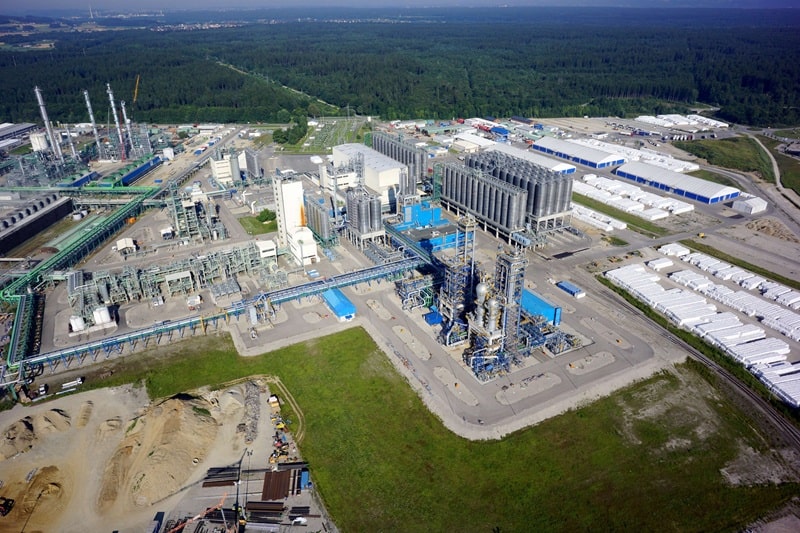
Borealis is making a major move to scale up its sustainable materials innovation. The company has announced an investment exceeding EUR 100 million to construct a new production line for its cutting-edge, recyclable foam-based polypropylene material at its Burghausen site in Germany. Textile Sorting
A Strategic Step Toward Sustainability
This expansion represents a critical milestone in Borealis’ broader sustainability roadmap. By tripling production capacity of its High Melt Strength Polypropylene (HMS PP) foam—branded as Daploy™—the company reinforces its role as a trailblazer in the circular economy.
The new production line is expected to be operational by the second half of 2026, further strengthening Borealis’ commitment to advanced manufacturing within Europe and supporting regional R&D efforts. Textile Sorting
Innovation Rooted in Linz, Austria
At the heart of this breakthrough is Borealis’ Innovation Headquarters in Linz, Austria, where the Daploy™ technology was first developed. This lightweight, strong, and fully recyclable polypropylene foam stands out due to its mono-material structure, making it easier to recycle and significantly reducing waste and carbon emissions.
By enabling design-for-recycling principles, this foam innovation is already proving invaluable across automotive, consumer goods, and construction industries—sectors where performance and sustainability must go hand in hand.
Circularity Meets High Performance
The new line in Burghausen will dramatically expand the availability of Daploy™, which meets the growing demand for materials that support both lightweight engineering and environmental responsibility. With enhanced strength and sustainability, Daploy™ foam paves the way for the next generation of recyclable products. Textile Sorting
This project aligns closely with the company’s We4Customers strategy—a philosophy that puts customer needs and environmental progress at the center of innovation. By investing in local production and leveraging internal expertise, Borealis is reinforcing its value as a strategic partner for global manufacturers seeking greener alternatives.
CEO Statement Highlights Vision
“As an innovation and sustainability leader with over 12,000 patents, we are proud to expand our European asset footprint with such exciting production capabilities. Guided by our We4Customers strategy, we are providing our partners with the materials they need to design the next generation of high-performance recyclable products,” said Stefan Doboczky, CEO of Borealis. Textile Sorting
Looking Ahead
The Burghausen site expansion is more than a production upgrade—it’s a powerful signal of Borealis’ long-term commitment to sustainable transformation in plastics. With construction set to begin soon, and operations anticipated to launch in 2026, the project is a bold step toward scalable, sustainable manufacturing within Europe.
Conclusion
This investment underscores Borealis’ leadership in the circular economy and its relentless drive to innovate responsibly. As industries seek materials that support performance without compromising sustainability, Daploy™ and Borealis are shaping the future—one recyclable foam at a time. Textile Sorting
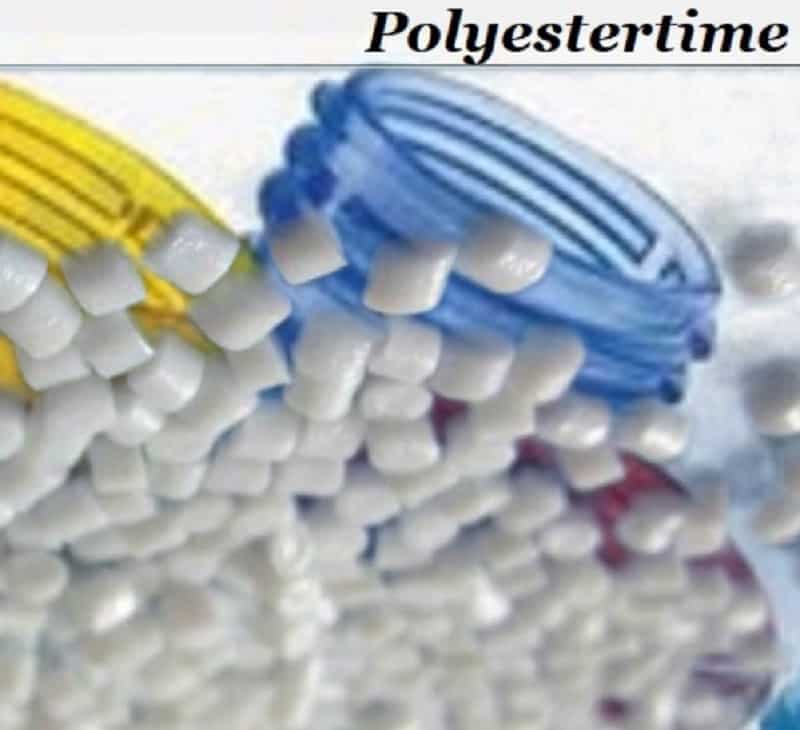
PET Granulate Prices Showed a Volatile Trend in May
In May, the price of bottle-grade polyethylene terephthalate (PET) granulate in China experienced notable fluctuations, reflecting both internal and external market dynamics. The pricing rollercoaster began with an uptick, dipped mid-month, and ended with a modest rebound, according to industry data from SunSirs.
May Price Overview: From Low to High and Back Again
As of May 29, the average price of PET granulate was CNY 6,077 per ton. This price level came after a sequence of adjustments driven by crude oil variations, feedstock cost changes, and evolving demand in the beverage sector.
During the early days of May, PET spot prices in East China hovered around CNY 5,700 per ton. At that point, many soft drink manufacturers were hesitant to build up large inventories, opting instead for limited, need-based purchases. Textile Sorting
Mid-May Surge: Feedstock Costs Drive Up PET Prices
Following the May Day holidays, the market saw a rebound. A combination of falling crude oil prices and a rise in feedstock materials such as purified terephthalic acid (PTA) and ethylene glycol contributed to a sharp increase in PET granulate prices. By May 14, the price had surged to a monthly high of CNY 6,185 per ton in the East China market.
Second-Half Slowdown: Crude Oil Weakness Pulls Prices Down
However, this upswing proved short-lived. In the second half of May, the PET market entered a corrective phase. Falling crude oil prices again influenced raw material costs, dragging down prices for PTA and other inputs. PTA prices fell to as low as CNY 4,890 per ton, putting downward pressure on PET granulate values. Textile Sorting
At the same time, polyester yarn manufacturers announced plans to reduce production by up to 15%, adding to the bearish sentiment. The price of bottle-grade PET granulate dipped again, falling to around CNY 6,000 per ton, with only slight day-to-day fluctuations through month-end.
Supply Factors: New Capacities & Production Cuts
While feedstock volatility was a major influence, structural shifts in supply also played a role. The commissioning of new production capacities for terephthalic acid and ethylene glycol led to increased supply in the market, contributing to price easing. These expansions, coupled with relatively stable demand, created a mismatch that added downward pressure on PET prices. Textile Sorting
Meanwhile, the global market was also impacted by a decision from Mexican chemical giant Alpek to shut down its PET production plant in Cedar Creek, Fayetteville (USA). The plant is scheduled for closure by end of July, and Alpek estimates that this move will generate cost savings of up to USD 20 million by 2026.
Demand Outlook: Can Peak Season Support Prices?
On the demand side, market expectations are cautiously optimistic. The high season for beverage production typically kicks off from late May and runs through June, which could support PET granulate prices if soft drink producers ramp up orders.
However, whether this seasonal spike in demand will be sufficient to offset the pressure from low feedstock prices and increased supply remains to be seen. Industry players are watching closely to see if consumption exceeds expectations, which could lend short-term support to the PET market. Textile Sorting
Forecast: Continued Volatility Ahead?
Looking ahead, the price of bottle-quality polyester granulate is expected to remain volatile in the short term. With no strong recovery in crude oil anticipated, and with continued changes in equipment output and inventory strategies, market uncertainty is likely to persist.
Key variables to monitor include:
- Global and regional crude oil trends
- Price movements of feedstock chemicals
- Production adjustments by major polyester factories
- Beverage sector demand during the summer peak season
- Global developments such as plant shutdowns or geopolitical disruptions
Analysts suggest that unless a significant uptick in demand materializes, prices may continue to fluctuate near current lows, possibly facing more downward pressure if the supply-demand balance does not improve. Textile Sorting
Conclusion: May Was a Month of Mixed Signals
In summary, the PET granulate market in May was characterized by rapid changes and conflicting signals. The short-lived price rise mid-month was quickly reversed by macroeconomic and supply-driven forces. With the peak beverage season approaching, the industry is now in a wait-and-see mode, hoping for stronger demand to stabilize the market.
As we move into June and beyond, it will be crucial for stakeholders to keep a close eye on oil markets, production levels, and consumption trends to navigate the turbulence in the PET industry effectively. Textile Sorting
Smarter Robots for a Greener Future: How Austrian Researchers Are Revolutionizing Textile Sorting
Each year, around 100 billion garments are manufactured worldwide. Eventually, the majority of these textiles make their way into the recycling stream—yet sorting them efficiently remains a labor-intensive, manual task. But that’s changing thanks to a pioneering project in Austria that’s blending robotics with cutting-edge sensor technology.
Introducing AdapTex: Giving Robots the Sense of Touch
At the University of Klagenfurt, researchers are working on an ambitious initiative called AdapTex. Their mission? To develop adaptive sensor skins for robotic grippers that can mimic the human sense of touch—specifically for textile classification. This tactile technology allows robots to “feel” fabrics, helping them determine what should be reused versus recycled, just like a skilled human sorter would. Textile Sorting
“Current sorting systems rely heavily on visual and near-infrared sensors, but humans use more than sight—we touch, feel, and judge,” explains Hubert Zangl, project lead at the university’s Department of Smart Systems Technologies. “That kind of physical interaction is still underdeveloped in today’s robotics.”
Why Sorting Textiles is So Complex
Sorting used clothing isn’t as straightforward as it sounds. Textiles come in all shapes, sizes, materials, and conditions. Some are clean; others are contaminated. When jumbled together in large quantities, even human workers face challenges. For robots, the task is exponentially harder—especially without the ability to distinguish textures through touch. Textile Sorting
That’s where the AdapTex sensor skin makes a difference. These smart materials feature integrated networks of sensors and actuators that respond intelligently when touched. This enables the robotic gripper to not just hold the material, but also assess its properties in real time.
How It Works: The Power of Sensor Skins
Think of AdapTex as a type of high-tech glove for robotic hands. The sensor-laden textile skin wraps around the gripper, making it responsive and adaptive. As the robot touches a piece of fabric, the skin gathers haptic data—similar to how humans use their fingertips to feel softness, elasticity, or structure.
This technology has the potential to transform textile sorting facilities, streamlining operations, reducing human workload, and improving recycling accuracy. But that’s only the beginning. Textile Sorting
Beyond Recycling: Broader Applications Ahead
While textile recycling is the initial use case, the potential impact of AdapTex extends much further. “These sensor skins could be used in sportswear manufacturing, rehabilitation garments, and even industrial automation where nuanced gripping is essential,” says Zangl.
Robots enhanced with this technology could be deployed in sectors like wearable tech, healthcare, and smart clothing production, offering both agility and precision in environments where touch-based assessment is vital. Textile Sorting
Partners and Support: A Collaborative Innovation
The AdapTex project is a team effort, led by the University of Klagenfurt in partnership with the AAU/SAL USE Lab. Industrial collaborators include:
- Grabher Group
- Infineon Technologies Austria AG
- Silicon Austria Labs
- V-trion
It’s also backed by the Austrian Research Promotion Agency (FFG), showcasing strong national support for next-generation sustainability technologies.
What This Means for the Future
As the demand for circular fashion and sustainable manufacturing continues to rise, innovations like AdapTex are set to play a critical role. Giving robots a sense of touch opens the door to smarter automation—not just in textile recycling but across numerous industries where precision and sensitivity matter. Textile Sorting
With initiatives like AdapTex, we’re not just improving robots—we’re designing a more sustainable, efficient, and human-like approach to automation.
Learn More
For updates on the AdapTex project and similar innovations in smart robotics and sustainability, follow the University of Klagenfurt and project partners. This is just the beginning of a smarter, greener future.