Industrial Textile Recycling Breakthrough Signals 7 Powerful Shifts Toward Circular Production
ABB and Syre Push Textile-to-Textile Recycling Toward Industrial Reality
The global shift toward sustainability is accelerating, and textile-to-textile recycling is emerging as a critical solution to one of the fashion industry’s biggest challenges: waste. ABB and Swedish impact company Syre have taken a decisive step forward by signing a Memorandum of Understanding to explore advanced technologies for a large-scale textile recycling plant in Vietnam.
This collaboration focuses on integrating automation, electrification, and digitalization into textile-to-textile recycling processes. The goal is clear: transform recycled polyester production into a scalable, efficient, and economically viable industrial model.
Why Textile-to-Textile Recycling Matters Now
Polyester remains one of the most widely used fibers globally, but its traditional production relies heavily on fossil-based raw materials. This creates significant environmental pressure, from carbon emissions to persistent waste.
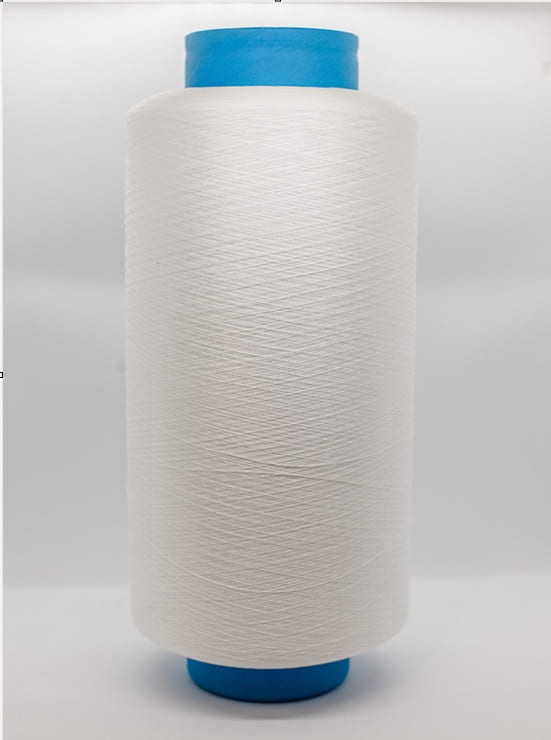
Textile-to-textile recycling addresses this issue by converting used textiles and industrial waste into new polyester fibers. This process reduces dependency on virgin resources, lowers environmental impact, and supports circular economy principles.
As regulatory pressure increases and consumer awareness grows, textile-to-textile recycling is no longer optional. It is becoming a strategic necessity for the textile and apparel industry.
Vietnam Plant Signals Industrial Scaling Ambition
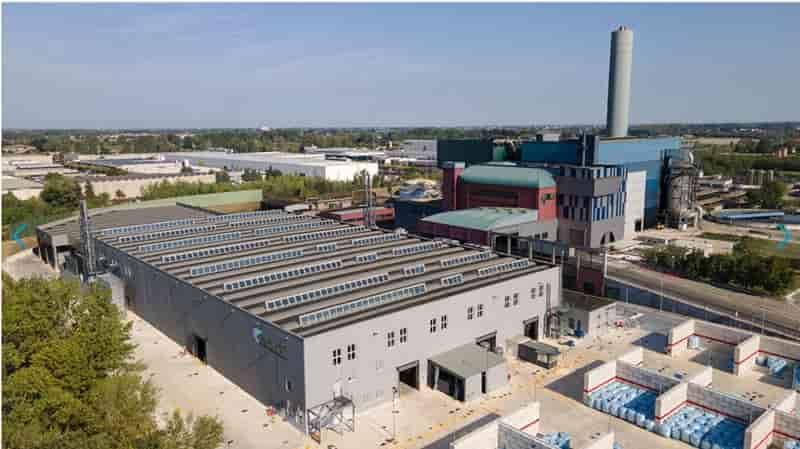
The proposed facility in Gia Lai province represents more than just another recycling plant. It is designed as a blueprint for industrial-scale textile-to-textile recycling.
The plant will process discarded polyester materials into high-quality recycled outputs, demonstrating that circular production can operate at scale without compromising performance or efficiency.
Construction is expected to begin in 2027, marking a significant milestone in moving textile-to-textile recycling from pilot projects to full industrial deployment.
Technology as the Core Enabler
At the heart of this initiative lies ABB’s technological expertise. The collaboration will evaluate how its systems can enhance every stage of textile-to-textile recycling.
Key focus areas include:
- Advanced automation systems to streamline production processes
- Electrification infrastructure to improve energy efficiency
- Digital platforms for real-time monitoring and optimization
- Quality control systems to ensure consistent output
These technologies are essential for transforming textile-to-textile recycling into a reliable industrial process capable of meeting global demand.
Addressing Complexity in Textile Recycling
Scaling textile-to-textile recycling is not straightforward. The process involves handling diverse material inputs, maintaining product quality, and ensuring operational efficiency.
This is where industrial partnerships become critical. Syre brings innovation in recycling technology, while ABB contributes decades of experience in process industries such as chemicals and fiber production.
Together, they aim to solve the technical and operational challenges that have historically limited textile-to-textile recycling from reaching large-scale adoption.
From Pilot Success to Industrial Deployment
Syre has already demonstrated the feasibility of its approach. Within two years of its launch, the company established an R&D facility and pilot production line in North Carolina.
By 2025, it achieved multi-ton production of circular PET chips, validating the technical viability of textile-to-textile recycling at a pre-industrial level.
The next step is scaling. The Vietnam plant represents a transition from experimentation to industrial execution, where efficiency, consistency, and cost-effectiveness become critical success factors.
Strategic Importance of Industrial Ecosystems
The partnership highlights a broader trend: the rise of integrated industrial ecosystems to support sustainable innovation.
Textile-to-textile recycling requires coordination across multiple domains, including:
- Material sourcing and sorting
- Chemical and mechanical processing
- Energy management
- Digital optimization
No single company can address all these aspects alone. Collaborations like ABB and Syre demonstrate how combining expertise accelerates innovation and reduces risk.
Circular Polyester as a Market Opportunity
Beyond environmental benefits, textile-to-textile recycling presents a significant economic opportunity. Demand for sustainable materials is growing rapidly, driven by brands seeking to meet sustainability targets and regulatory requirements.
Circular polyester offers a compelling value proposition:
- Reduced environmental footprint
- Compliance with emerging regulations
- Alignment with consumer expectations
- Potential cost efficiencies at scale
As production capacity increases, textile-to-textile recycling could redefine supply chains across the global textile industry.
ABB’s Expanding Role in Sustainable Industry
For ABB, this partnership reinforces its strategic positioning in enabling sustainable industrial transformation. The company’s portfolio in electrification and automation is increasingly applied to emerging sectors like textile-to-textile recycling.
With over a century of engineering expertise, ABB is leveraging digital technologies to help industries improve performance while reducing environmental impact.
This project reflects a broader commitment to supporting next-generation manufacturing models that prioritize efficiency, sustainability, and scalability.
What This Means for the Future of Textiles
The collaboration between ABB and Syre signals a turning point. Textile-to-textile recycling is evolving from a niche innovation into a cornerstone of future textile production.
If successful, this initiative could:
- Accelerate global adoption of circular textile systems
- Reduce reliance on fossil-based materials
- Enable large-scale waste reduction
- Set new standards for sustainable manufacturing
The transition will not happen overnight, but projects like this demonstrate that the infrastructure and technology needed for transformation are rapidly falling into place.
Conclusion: A Scalable Path to Circularity
The ABB and Syre partnership represents more than a technological exploration. It is a strategic move toward industrializing textile-to-textile recycling and embedding circularity into the core of textile production.
As the industry faces increasing pressure to decarbonize and reduce waste, scalable solutions like this will define the next phase of growth.
Textile-to-textile recycling is no longer just an environmental initiative. It is becoming a competitive advantage and a foundation for the future of sustainable industry.
More….