Oil price surges toward crisis levels as geopolitical shocks and supply fears push Brent above $110 and rattle global energy markets outlook
Oil price trend analysis: March 31, 2026
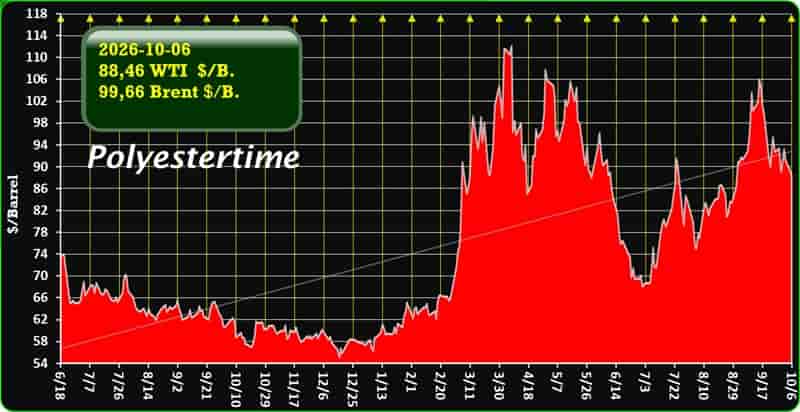
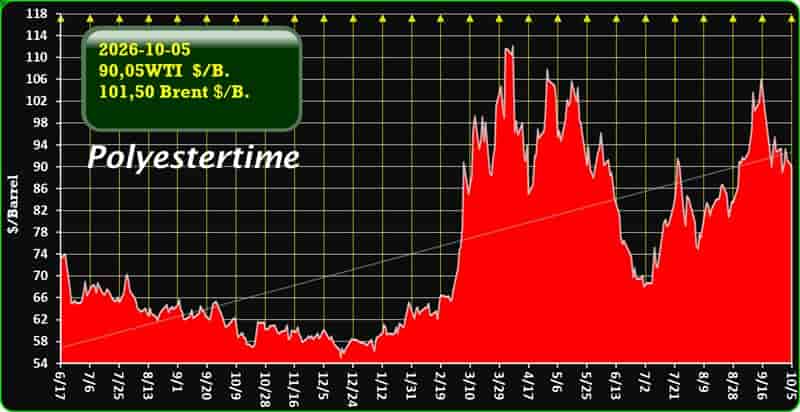
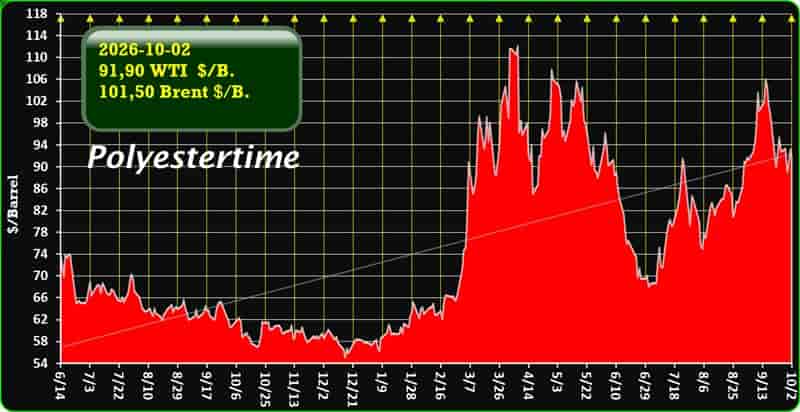
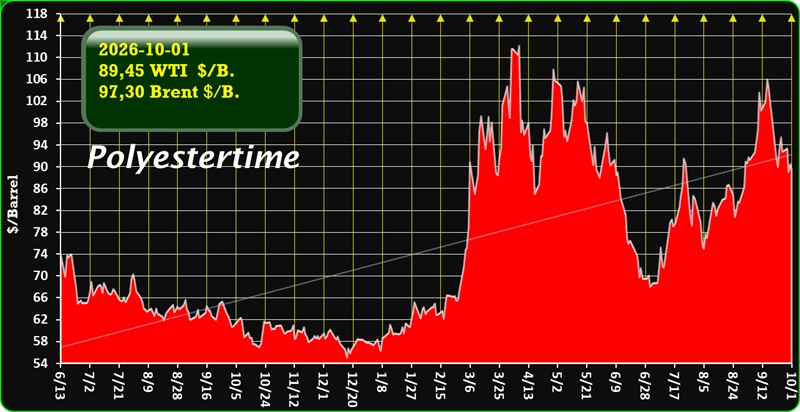
The crude price remains at the center of global economic attention as markets navigate one of the most volatile periods in recent years. As of March 31, 2026, Brent crude fluctuates within the $100–110 per barrel range, while WTI trades around $95–105 per barrel, reflecting both strong upward momentum and short-term corrections.
Recent sessions show mixed movements: Brent briefly climbed above $110 before easing toward $106–111, while WTI continues to hover near the $100 threshold.
Current oil price snapshot
| Benchmark | Price Range (March 31, 2026) | Trend | Monthly Change |
|---|---|---|---|
| Brent crude | $100–110 / barrel | Highly volatile | +35–60% |
| WTI crude | $95–105 / barrel | Upward bias | +40% approx |
The oil price rally has been particularly sharp over the past month, with Brent gaining more than 35% and U.S. crude over 40%, underscoring the intensity of current market dynamics.
Key drivers behind today’s oil price movement
1. Geopolitical tensions dominate the oil price narrative
The most immediate driver of the oil price surge is escalating conflict in the Middle East, particularly involving Iran and regional actors. Supply routes—including critical chokepoints like the Strait of Hormuz—remain under threat.
- Brent recently surged toward $117 amid fears of direct attacks on energy infrastructure
- Disruptions and military escalation have pushed prices above $110 multiple times
This environment has introduced a significant geopolitical risk premium into the oil price, with markets pricing in potential supply shocks rather than actual shortages.
2. Supply constraints and OPEC+ influence
While geopolitical risks dominate headlines, structural supply dynamics remain crucial:
- OPEC+ continues to manage output carefully to support prices
- Ongoing disruptions and outages reinforce tight physical markets
- Backwardation in futures curves signals immediate supply tightness
At the same time, non-OPEC supply growth—especially from the U.S.—has not been sufficient to offset sudden geopolitical disruptions, amplifying crude price sensitivity.
3. Global demand resilience
Despite macroeconomic uncertainty, oil demand has remained relatively strong:
- Industrial activity and transport demand continue to support consumption
- Emerging markets remain key growth drivers
- Seasonal demand patterns reinforce short-term tightness
This combination of firm demand and constrained supply creates a structurally bullish backdrop for the oil price.
4. Economic data and macro uncertainty
Macroeconomic indicators are adding another layer of complexity:
- Central banks remain cautious due to inflation risks tied to energy prices
- Weak labor signals in some economies raise concerns about demand sustainability
- Currency movements and interest rate expectations influence speculative flows
Even modest shifts in economic outlook can trigger sharp oil price corrections, as seen in recent daily declines of around 1%.
Investor sentiment: volatility and speculation return
Investor behavior is increasingly shaping the oil price trajectory. Hedge funds, commodity traders, and financial institutions are actively repositioning:
- High volatility attracts speculative capital
- Rapid price swings reflect both physical and financial market reactions
- Some forecasts now suggest potential spikes toward $125–150 per barrel
The market is no longer driven solely by fundamentals—expectations and risk perception now play a central role.
The emerging narrative: the next oil shock
Inspired by recent analyses suggesting a new kind of oil shock, the current situation differs from past crises:
- Not just a single chokepoint (like Hormuz), but multiple simultaneous risks
- Increased role of non-state actors and asymmetric threats
- Greater financialization of oil markets amplifying volatility
This suggests that the next crude price shock may come from systemic instability, not a single supply disruption.
Short-term outlook for oil price
Base scenario (next 1–3 months)
| Scenario | Brent Range | WTI Range | Key Drivers |
|---|---|---|---|
| Stable tension | $100–115 | $95–105 | Controlled conflict, steady supply |
| Escalation | $115–130+ | $105–120 | Supply disruption, transport risks |
| De-escalation | $90–100 | $85–95 | Diplomatic progress |
In the near term, the oil price is likely to remain elevated and volatile, with geopolitical developments acting as the primary catalyst.
Implications for the global economy and energy markets
The current oil price environment has broad consequences:
- Inflation pressure: Higher fuel costs impact consumers and industries
- Energy transition: Accelerates investment in renewables and diversification
- Policy response: Governments may intervene to stabilize markets
- Corporate strategy: Energy-intensive sectors face margin pressure
Ultimately, sustained high oil price levels could slow global growth while reinforcing the urgency of energy transition strategies.
Final takeaway
The oil price on March 31, 2026 reflects a market under stress but not yet in crisis. The balance between geopolitical risk, supply constraints, and resilient demand suggests continued volatility ahead.
Unless tensions ease significantly, the oil price is likely to remain above $100, with upside risks still firmly in play—keeping global markets on edge.
Oil price surge shocks markets as Brent nears $115 and WTI tops $100 amid Hormuz crisis and escalating geopolitical risks worldwide
More…