US-Iran Oil Prices Rise as Supply Risks Spread
US-Iran Oil Prices Rise as Supply Risks Spread
Updated September 14, 2026
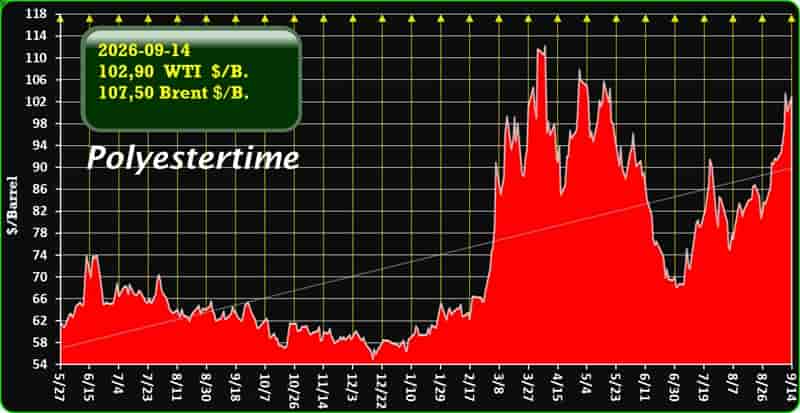
Brent crude is trading at around $107 a barrel, while West Texas Intermediate, or WTI, is near $103. The latest rise in US-Iran oil prices reflects renewed concern about shipping routes, damaged energy infrastructure and the possibility of further supply losses across the Middle East.
The market is reacting not only to fighting between the United States and Iran. It is also pricing in attacks affecting Saudi Arabia and the waterways used to carry oil from the Persian Gulf and Red Sea to international buyers.
Key points
- Brent crude is trading at approximately $107 to $108 a barrel.
- WTI is trading close to $103 a barrel.
- Saudi Arabia’s East-West pipeline has been temporarily shut after a drone attack.
- The pipeline has recently carried about 4 million barrels a day around the Strait of Hormuz.
- A planned regional meeting concerning shipping through Hormuz has been postponed.
- Oil prices could remain volatile because the duration of the disruptions is unknown.
Why are oil prices rising today?
Brent futures were trading at approximately $107.82 a barrel in early trading on September 14, according to Reuters reporting. WTI reached about $103.22. Both benchmarks gained more than 3% as traders assessed a new series of attacks and possible interruptions to regional exports.
The immediate concern is Saudi Arabia’s East-West pipeline. The route carries oil across the country to the Red Sea port of Yanbu, allowing some Saudi exports to bypass the Strait of Hormuz. US-Iran oil prices
Saudi officials reported that the pipeline was temporarily closed after a drone attack. Industry sources cited by Reuters estimated that roughly 4 million barrels a day—close to 4% of global oil supply—had recently been moving through the route.
Saudi Arabia has not provided a definitive public timetable for restoring full operations. Reports citing traders and oil buyers indicate that the damage could take anywhere from several days to several weeks to repair. These estimates remain uncertain.
Why the Saudi pipeline matters
The East-West pipeline has become more important because wartime disruption has sharply reduced normal tanker traffic through the Strait of Hormuz.
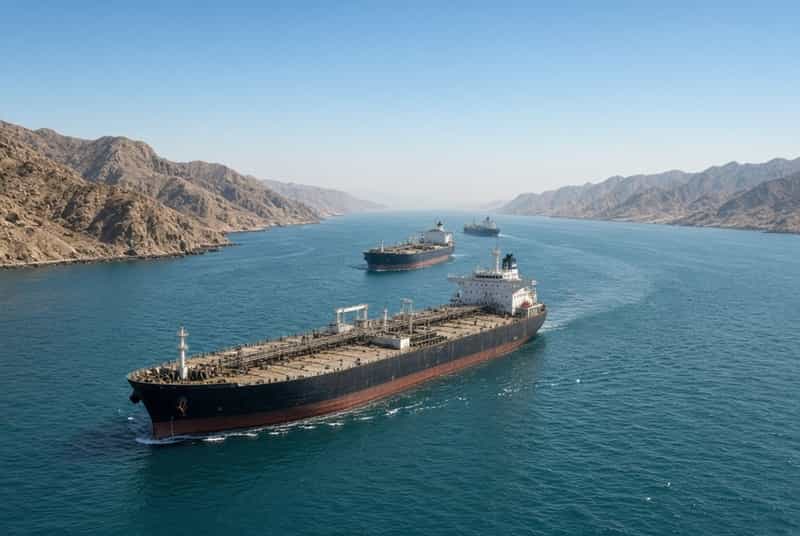
Before the conflict, approximately one-fifth of global oil supply passed through Hormuz. The narrow waterway connects major Persian Gulf producers with international markets. Even a partial obstruction can increase tanker rates, insurance premiums and delivery times. US-Iran oil prices
Saudi Arabia used its cross-country pipeline to move oil toward the Red Sea and avoid the affected strait. Its closure therefore threatens one of the most important alternatives available to exporters.
The risk is not limited to Hormuz. Iran-aligned Houthi forces have expanded operations near the Bab el-Mandeb strait, which connects the Red Sea with the Gulf of Aden. Disruption affecting both waterways would make it harder and more expensive to transport energy between the Middle East, Asia and Europe.
Diplomatic uncertainty adds to the oil-market premium
A meeting between Iran and Gulf Arab countries had been scheduled in Oman to discuss arrangements for shipping through the Strait of Hormuz. The meeting was postponed because participants had not reached sufficient consensus.
The delay does not prove that diplomacy has failed. It does, however, reduce expectations of an immediate agreement capable of restoring more predictable tanker traffic.
Oil traders closely monitor diplomatic announcements because expectations can move prices before physical supply changes. A credible shipping agreement could reduce the geopolitical premium in Brent and WTI. New attacks or unsuccessful negotiations could have the opposite effect. US-Iran oil prices
How the US-Iran war is affecting supply
The United States and Israel began military operations against Iran in late February. Fighting and attacks on vessels and energy facilities have since constrained exports, disrupted shipping and produced sharp price swings. US-Iran oil prices
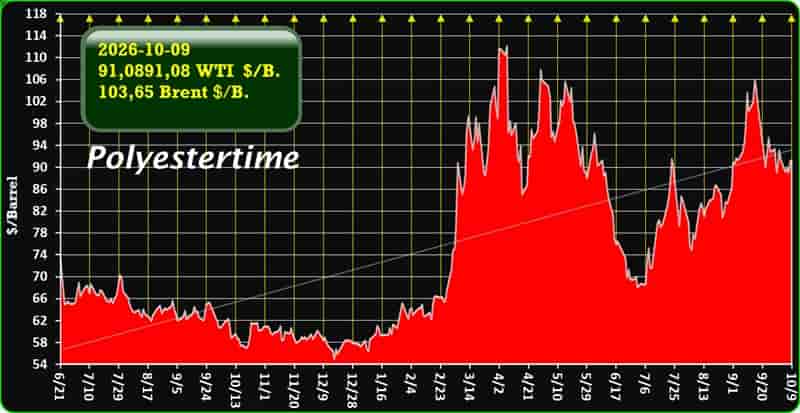
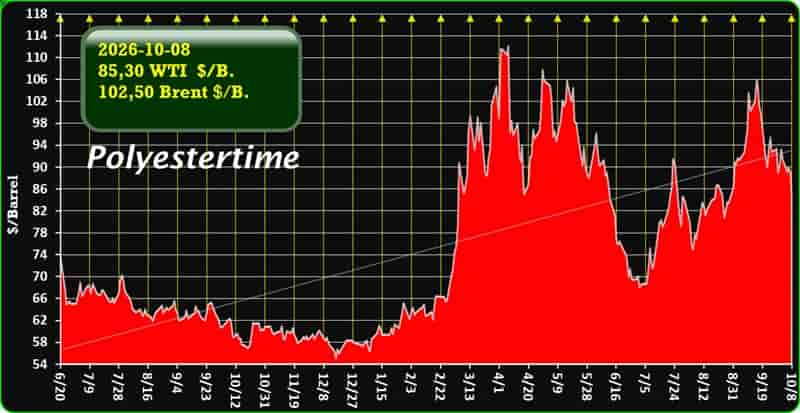
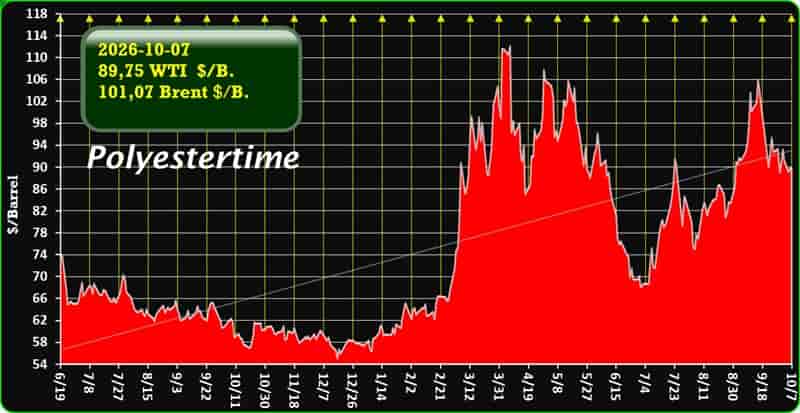
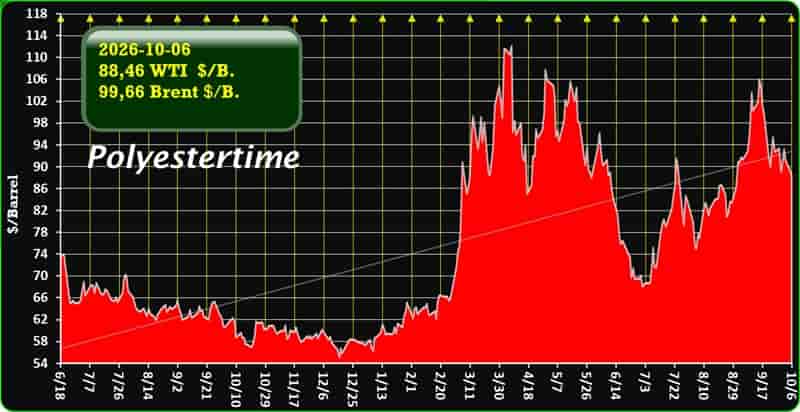
Brent briefly approached $120 during an earlier phase of the conflict. It later moved closer to $70 as hopes for a settlement increased, before returning above $100 amid renewed hostilities.
That history illustrates why today’s price should be treated as a snapshot rather than a stable level. US-Iran oil prices remain highly sensitive to military developments, repair schedules, tanker movements and diplomatic negotiations.
What could happen next?
The short-term direction of oil prices depends on several measurable developments.
Pipeline repairs
A rapid restart of Saudi Arabia’s East-West pipeline would reduce the immediate threat to exports. A lengthy shutdown would place more pressure on inventories at Yanbu and could remove additional barrels from the market. US-Iran oil prices
Shipping through Hormuz
Any sustained increase in safe tanker movements would help ease supply fears. Further attacks, restrictions or higher insurance costs could keep the market risk premium elevated.
The Bab el-Mandeb route
The market will watch whether attacks near this waterway begin to disrupt more vessels. This route has become particularly important while normal Persian Gulf exports remain constrained.
Diplomatic negotiations
A new date for regional talks—or a practical interim agreement covering shipping—could calm the market. Continued delays would leave traders with limited visibility.
Supply outside the region
Additional production or exports from countries outside the Gulf could soften the impact, but replacement barrels may not match the volume, location or type of crude that refiners require. US-Iran oil prices
What higher oil prices mean for consumers
A sustained period of Brent above $100 can raise the cost of gasoline, diesel, aviation fuel and marine fuel. The effect then spreads through freight, agriculture, manufacturing and air travel.
Diesel is especially important because it powers trucks, farm machinery and parts of the industrial economy. Higher transportation and production expenses can eventually appear in the prices of food, parcels and other consumer goods.
The inflationary effect depends on how long crude and refined-fuel prices remain elevated. A brief spike may have a limited impact. A prolonged disruption is more likely to influence consumer prices, business costs and central-bank decisions. US-Iran oil prices
Brent versus WTI: why is there a difference?
Brent is the principal international oil benchmark and is especially sensitive to disruptions affecting seaborne trade. WTI is the main US benchmark and is more closely connected to North American production, storage and pipeline conditions.
Brent currently carries a premium of roughly $4 a barrel over WTI. The gap reflects differences in geography, delivery systems and exposure to international shipping risks.
The bottom line
US-Iran oil prices have risen because the conflict is threatening several parts of the energy supply chain at the same time. Restrictions around Hormuz, the shutdown of a major Saudi pipeline and growing risk near Bab el-Mandeb have reduced the market’s margin for error.
Brent near $107 and WTI near $103 show that traders are assigning a substantial premium to possible supply disruption. Prices could fall if pipeline service and shipping recover, but they could rise further if infrastructure damage expands or diplomatic efforts stall. US-Iran oil prices
For readers and businesses, the most reliable indicators to watch are confirmed export volumes, tanker movements, Saudi pipeline updates and official announcements about regional negotiations—not unverified battlefield claims or isolated price forecasts.
Sources
- Thomson Reuters, September 14, 2026: “Oil prices up over 3% following new strikes on Saudi, Strait of Hormuz”
- Associated Press, September 9, 2026: “Oil surges above $100 a barrel as US and Iran launch new attacks”
- Financial Times, September 14, 2026: “Oil hits $108 after Gulf states postpone talks with Iran over Hormuz”
- The Guardian and news agencies, September 14, 2026: “Satellite images show extent of damage to major Saudi pipeline”
US Iran Oil Prices: Ultimate Insights into the Surging Market