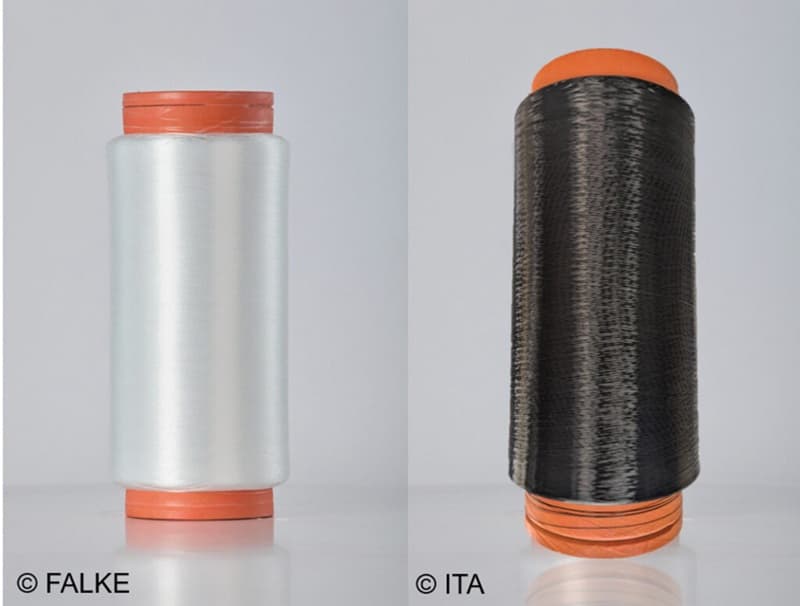
Plastic Recycling – Russia Develops Innovative Tetrapak Recycling Technology Breaking New Ground in Tetrapak Recycling Russia has made a significant leap in sustainable packaging solutions by developing its own domestic technology to recycle Tetrapak packaging 09-09-2025
Plastic Recycling
Trump Ratchets Up Tariff Pressure on India Over Russian Oil
? What’s Happening?
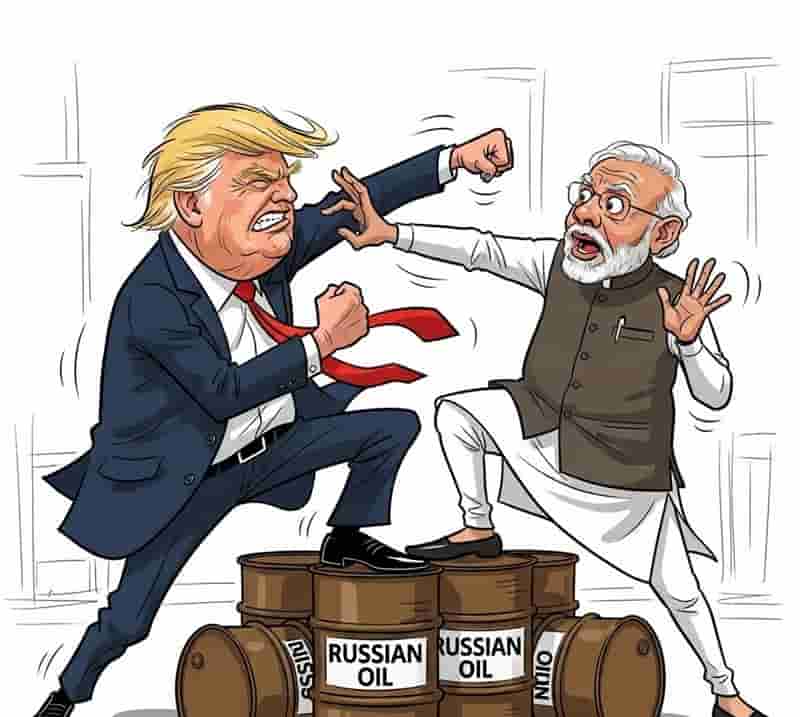
In a bold move that could derail bilateral relations, Donald Trump announced an additional 25% tariff on Indian exports over its continued purchase of Russian oil. This comes on top of the 25% tariffs that took effect at midnight on August 7, 2025 (EST).
The total 50% tariff burden places India on par with countries like Brazil in facing the steepest trade levies from the U.S. Plastic Recycling
“They don’t care how many people in Ukraine are being killed by the Russian war machine,” Trump wrote on Truth Social.
? Economic Fallout: A Blow to Indian Exports
India’s export ambitions—aiming to jump from $437.4B in 2024 to $1T by 2030—are now at risk. The immediate concern is for labor-intensive industries such as:
- ? Textiles & Apparel
- ? Leather Footwear
- ? Gems & Jewelry
- ? Chemicals
- ? Seafood (Shrimp)
These sectors rely heavily on U.S. markets and cannot absorb sudden increases in tariffs without sacrificing profits or cutting jobs. Plastic Recycling
? Which Exports Are Affected?
Although electronics (notably mobile phones) and pharmaceuticals currently enjoy tariff exemptions, the remaining sectors are bearing the brunt of Trump’s tariff war.
India exported $86.5B worth of goods to the U.S. in 2024. Of this, more than 30% came from protected categories. However, exporters in other sectors are struggling to compete with neighboring nations like:
- ?? Vietnam (20% tariff)
- ?? Cambodia (19%)
- ?? Indonesia (19%)
“We had to give 5% discounts to retain our U.S. clients,” said M. Rafeeque Ahmed of Farida Group, a major leather footwear exporter. “Now, we may lose them entirely.”
? Jobs at Risk: A Labor Market Crisis Plastic Recycling
The textile industry alone employs over 45 million workers in India. Sudhir Sekhri, Chairman of the Apparel Export Promotion Council, issued a stark warning:
“50% tariffs would be a death knell for India’s micro and medium apparel industry.”
With a third of garment exports headed to the U.S., any downturn will likely cause mass layoffs and reduced production in one of the country’s most job-rich sectors.
? Economists Weigh In
Despite the looming threat, some economists remain cautiously optimistic. Sonal Badhan of Bank of Baroda noted:
“We expect some negotiation before the 50% tariffs take full effect. India’s consumption-driven economy may absorb part of the shock.” Plastic Recycling
The bank estimates that the current tariffs could shave 0.2 percentage points off India’s 2025 GDP growth, bringing it to 6.4%.
Meanwhile, DBS Bank’s Radhika Rao sees hope in diplomacy: “The three-week delay suggests potential for bilateral negotiations and even U.S.-Russia diplomacy on Ukraine.”
???? Trade Talks Ahead: Can Negotiation Prevail?
India and the U.S. are expected to re-enter negotiations later this month. A glimmer of hope lies in diplomatic efforts to reverse or reduce the penalties before they become permanent. Plastic Recycling
Yet hurdles remain. Trump has repeatedly criticized India’s “obnoxious” trade practices, especially its refusal to open up to U.S. agriculture and dairy imports—sectors crucial for American farmers.
? Domestic Pressure: Farmers First
Indian Prime Minister Narendra Modi has reaffirmed his commitment to protecting domestic farmers, who make up more than 60% of the population:
“India will not bow to pressure or compromise the welfare of our farmers, fishermen, or dairy producers.” — Modi, Aug 7 Plastic Recycling
Farmer associations fear that opening the market to subsidized U.S. produce would devastate rural livelihoods, especially ahead of critical state-level elections.
?️ The Russia Oil Dilemma
India’s purchase of Russian oil—making up 36% of its crude imports in 2024—lies at the heart of the sanctions. National Security Adviser Ajit Doval is currently in Russia to discuss energy and defense ties.
In a related development, President Vladimir Putin is expected to visit India later this year for a summit, underlining the strategic depth of Indo-Russian relations.
However, pressure is building for India to diversify its energy and defense imports. Economist Teresa John of Nirmal Bang says:
“India may gradually scale down dependence on Russia and open up to U.S. oil and defense imports in return for tariff relief.” Plastic Recycling
? Strategic Implications Beyond Trade
Trump’s decision could undo decades of U.S. efforts to build India as a counterweight to China in the Indo-Pacific. By penalizing India’s neutral foreign policy stance, Washington may inadvertently push it closer to Beijing and Moscow.
Analysts also fear that trade tensions may bleed into other strategic domains—cybersecurity, defense cooperation, and global supply chains.
? What This Means for Businesses
- ? Indian exporters may see short-term declines in U.S. orders.
- ? Jobs in manufacturing and apparel are at immediate risk.
- ? Business confidence could erode amid trade instability. Plastic Recycling
- ? Companies may begin exploring alternate markets—but it won’t be fast.
“It could take over a year to build new trade relationships outside the U.S.,” said Mr. Ahmed of Farida Group. “That’s a long time in this economy.”
♻️ Global Plastics Treaty: Is the Window Closing on Production Caps? Plastic Recycling
Discussions at the final round of the United Nations’ global plastics treaty are heating up. One critical issue remains on the table: should the treaty include caps on virgin plastic production? While still officially part of negotiations, signs suggest that support for strict production limits may be waning. ⚠️
✅ Production Caps Still on the Agenda… But Barely
As the talks opened on August 5, countries advocating for reduced plastic production were vocal. Yet, even among supporters, there’s a push for clarification. Switzerland, for instance, emphasized that calls for a comprehensive approach to plastic’s life cycle do not necessarily imply a hard cap on production.
“We are not talking about production caps to limit the production,” said Katrin Schneeberger, Director of Switzerland’s Federal Office for the Environment. Instead, she underscored the goal of achieving common ground through shared understanding of both production and consumption measures. ✨ Plastic Recycling
⛔️ Pushback from Major Oil-Producing Nations
Meanwhile, a coalition of 20 oil-producing countries, known as the Arab Group, remains staunchly opposed. During the opening session, a Saudi Arabian diplomat voiced strong objections to Article 6 — the section suggesting production reductions.
“We are worried about Article 6,” the diplomat said. “It remains in the program despite repeated concerns.”
? Treaty Still Open-Ended
The treaty’s terms are still under negotiation. Positions vary widely. A coalition of 80+ countries led by Panama has formally proposed setting global targets to reduce virgin plastic production. But rather than immediate action, their plan suggests postponing implementation to future meetings of the Conference of Parties (COP). Plastic Recycling
These proposed goals would require the COP to determine what constitutes “sustainable levels of production.” The definition remains fluid and is a key point of contention. ⌛
? Sustainability: The Balancing Act
Inger Andersen, head of the United Nations Environment Programme (UNEP), highlighted the debate.
“We’ll see how they define sustainable consumption and production and full life cycle,” she said. The eventual language may prove critical to finding middle ground. ⚖️
? Environmental Groups Sound the Alarm Plastic Recycling
Environmental NGOs warn that omitting production reductions would severely undermine the treaty’s impact. Anja Brandon of Ocean Conservancy was blunt: “Without production cuts, we’re not solving the plastic crisis.” ⚡️
?? U.S. Takes a Harder Line Under Trump
The Trump administration is pushing for a narrow focus: waste management over production control. Critics, including Greenpeace, accuse the U.S. of siding with oil producers and undermining the treaty’s scope. Plastic Recycling
“The U.S. is opposing most of the world and even its own businesses, siding with the petrochemical lobby on all substantive matters,” said John Hocevar of Greenpeace.
The U.S. delegation distributed a memo ahead of the Geneva session, declaring that it “will not support impractical global approaches” such as production caps or bans on additives. ❌ Plastic Recycling
? What’s Next for the Treaty?
Despite the controversy, this may be the final session. The U.S. memo suggests they view Geneva as the last round. If consensus isn’t reached, the future of a global plastics treaty could be in jeopardy. ❓
? Final Thought
The plastics treaty is a high-stakes attempt to combat one of our planet’s most pressing environmental crises. While production caps remain in limbo, the outcome in Geneva could shape global plastics policy for decades. ?

? AkiTex to Launch Eco-Friendly Textile Production in 2027 ♻️
New Horizons for Sustainable Textiles in Bashkortostan ?
In an exciting step toward sustainable industrial development, AkiTex, a Ufa-based textile manufacturer, has announced the launch of a cutting-edge production facility set to go live in 2027. The company recently leased a 1.7-hectare plot in Ufa, aiming to establish a plant that not only manufactures synthetic textile materials but also recycles textile waste into regenerated fiber. ?♻️ Plastic Recycling
This project is a major leap forward for both green technology and the circular economy in the Republic of Bashkortostan (RB), as confirmed by the regional government’s press office.
A Green and Circular Vision for Textile Manufacturing ?
According to Natalia Polyanskaya, Deputy Prime Minister and Minister of Land and Property Relations of RB, the initiative is rooted in sustainable development. The plant will implement green technologies to minimize waste and convert discarded textile materials into reusable raw materials. Plastic Recycling
✅ Target Launch: Full operations by 2027
✅ Jobs Created: 126 new employment opportunities
✅ Impact: Boosts the region’s tax and investment potential
Strategic Support & State-Backed Incentives ??️
To facilitate the project, the government of Bashkortostan is providing state support, including land allocation without bidding. This is contingent upon the company submitting the required documentation to the Ministry of Economic Development of the Republic of Bashkortostan. Plastic Recycling
The Development Corporation of Bashkortostan played a crucial role, offering assistance in project planning, site evaluation, zoning approvals, and utility connections. These efforts ensured the plot aligns with industrial and environmental standards.
Unique Regional Project with Phased Implementation ?
Nail Gabbasov, General Director of the Development Corporation, highlighted the project’s uniqueness: “There are no other textile facilities of this kind in the region.” The plan includes a phased rollout beginning with:
- ? Defibering and nonwoven production lines
- ? Followed by glass fabrics, woven materials, and yarn production
This ensures steady progress toward a full-scale, vertically integrated textile production facility by 2027. Plastic Recycling
Investment Highlights ?
The total investment for the AkiTex facility will reach 326.5 million rubles. In February, authorities announced that the company would receive a preferential loan from the regional Industrial Development Fund, and the land allocation would be handled outside of competitive bidding.
The project has been included in Bashkortostan’s List of Priority Investment Projects (PIP), giving it special strategic importance in regional development plans.
Company Profile: AkiTex ?
Founded: November 2002
Headquarters: Ufa, Republic of Bashkortostan Plastic Recycling
Core Activity: Production of textile fabrics
As of the end of 2023, the company reported a revenue of 165,000 rubles and a modest profit of 96,000 rubles. However, the upcoming facility marks a transformational investment into scaling and innovation.
Conclusion: A Model for Sustainable Industry ??
The AkiTex project is a powerful example of what happens when innovation meets sustainability and policy support. By 2027, Ufa could become a regional leader in eco-conscious textile production — bringing jobs, reducing waste, and creating a replicable model for circular economy integration. ? Plastic Recycling

?? Russia Develops Innovative Tetrapak Recycling Technology ♻️
Breaking New Ground in Tetrapak Recycling ? Plastic Recycling
Russia has made a significant leap in sustainable packaging solutions by developing its own domestic technology to recycle Tetrapak packaging. This innovation marks a critical advancement for the country, which, until recently, lacked effective systems for handling these multi-layered containers.
This new method was developed by scientists from the Arkhangelsk Northern Arctic Federal University (NArFU), in partnership with the Center for Collective Use of Scientific Equipment “Arctic”. Their work has already led to a patented solution that can efficiently break down and reuse Tetrapak waste. Plastic Recycling
What Is Tetrapak and Why Is It Difficult to Recycle? ?
In Russia, “Tetrapak” refers to aseptic food packaging made from layers of different materials — 75% cardboard, polymers, and sometimes aluminum foil. These composite layers make recycling complicated and costly, especially without the proper technology to separate the materials effectively.
Previously, Russia relied on foreign processing technologies or exported Tetrapak waste. This new development paves the way for domestic processing that is more sustainable, cost-effective, and scalable.
Revolutionary Method: From Tetrapak to Ecowool ??
The team at NArFU devised a technique that separates Tetrapak into polyethylene and cellulose. Plastic Recycling
The cellulose extracted cannot be reused for traditional paper products, but it finds new life in the production of “ecowool” — a high-performance insulation material used in construction.
✅ Eco Benefits: Reduced landfill waste
✅ Practical Use: Affordable insulation material
✅ Local Impact: Opens up new recycling jobs & infrastructure
First Batch Ready – And More to Come ?
The prototype installation was tested successfully. According to reports, the first batch of ecowool insulation was produced without issues, signaling readiness for industrial-scale adoption. This puts Russia among the few nations with in-house Tetrapak recycling capability. Plastic Recycling
NArFU’s innovation isn’t just academic — it’s tangible, testable, and usable in real-world industry applications. ?️
Building on Broader Innovation Trends in Russia ?
This breakthrough follows other sustainable materials research in Russia. For instance, scientists from Kabardino-Balkarian State University and the A.V. Topchiev Institute of Petrochemical Synthesis developed eco-friendly polymer-based materials that could replace metals in sectors like medicine, aviation, and automotive manufacturing. ?️? Plastic Recycling
All signs point to a growing ecosystem of green-tech R&D within the country.
Conclusion: A Greener, Smarter Future ?
Russia’s development of an in-house Tetrapak recycling method represents a step forward in sustainable innovation, not just environmentally but economically. Combined with semantic search readiness and a user-first design, this kind of content spreads awareness — and impact — far and wide. ? Plastic Recycling
? UNDP & EU Launch Cutting-Edge Plastic Recycling Plant in Jordan Valley ?
Deir Alla, Jordan Valley – In a transformative move for sustainability and economic development, the United Nations Development Programme (UNDP), in collaboration with the European Union (EU) and the Municipality of Deir Alla, has officially launched a state-of-the-art plastic recycling plant in Jordan Valley. ?♻️ Plastic Recycling
Empowering Green Growth ?
This innovative initiative—backed by over USD 1 million in EU funding—aims to boost solid waste management while advancing Jordan’s vision for a circular economy. Beyond tackling plastic pollution, it promises to:
- Create 50+ green jobs
- Stimulate local economic growth ?
- Enhance private sector engagement ?
- Support climate-smart agriculture ?
Serving Seven Municipalities ?️
Spanning 5,000 sqm, the plant will serve seven municipalities across the Jordan Valley, including:
- Deir Alla Plastic Recycling
- Sharhabeel Bin Hasnah
- Muath bin Jabal
- Swemeh
- Southern Shuna
- Tabqet Fahel
- Al-M’adi
Funded under the EU-supported Decentralization, Accountability and Integrity at the Local Level (DAILL) Program, this project is key to Jordan’s Economic Modernization Vision (EMV). Plastic Recycling
Government Commitment ?
Minister of Interior, H.E. Mazen Al-Farrayeh, praised the initiative as a leap forward in creating sustainable solutions for local waste management. He emphasized the importance of municipal roles in raising public awareness on waste sorting and plastic collection.
“This is a sustainable and profitable model that supports our green economy goals and engages the private sector and communities alike,” said the Minister.
Local Development Meets Investment ?
UNDP Resident Representative Randa Aboul-Hosn highlighted that the project aligns local governance with smart investment logic. “Municipalities must evolve from service providers into facilitators of sustainable development,” she stated. Plastic Recycling
Inside the Recycling Plant ?
The facility includes:
- A 1,400 sqm main operations hangar
- A covered canopy for material handling
- Dedicated storage zones for raw and processed plastics
It’s designed to sort, clean, and transform plastic waste into high-quality, reusable raw materials—diverting tons of plastic from landfills and oceans. ?
European Union’s Role in Jordan’s Sustainability ?? Plastic Recycling
EU Ambassador Pierre-Christophe Chatzisavas underlined the EU’s ongoing commitment: “Jordan can count on the EU to strengthen waste management and reduce plastic pollution. This facility is a game-changer for agricultural productivity and job creation in the region.”
Public-Private Partnership Potential ?
The plant offers future investment opportunities for private enterprises to manage operations and purchase sorted plastics for resale. This creates:
- Revenue streams ?
- Green jobs ??
- Cleaner farms ?
With recycled plastic fetching JOD 120–250/ton, local farmers now have a profitable outlet for plastic waste. ? Plastic Recycling
???Local Ownership & Community Inclusion
Deir Alla Municipality provided the land, while community-based organizations (CBOs) and women leaders played a vital role in outreach and engagement—bridging environmental action with inclusive development. ???
?Looking Ahead
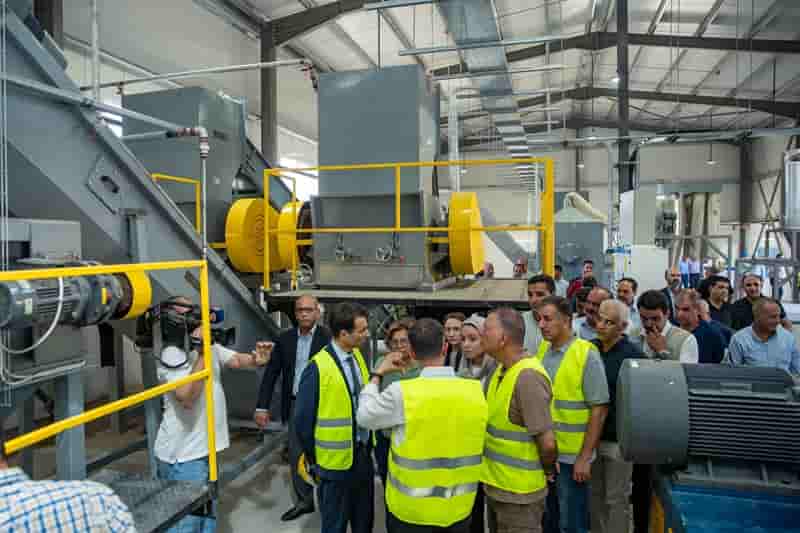
After the ribbon-cutting, government officials, EU delegates, and local stakeholders toured the facility to witness the recycling process in action—from collection to transformation of waste into new resources. Plastic Recycling
This initiative marks not just a cleaner Jordan Valley, but a new era of eco-innovation, climate resilience, and inclusive growth in Jordan. ?
? Nations Meet in Geneva for Final Push on Plastic Pollution Treaty
August 9, 2025
As the plastic crisis spirals out of control, global leaders gather for critical negotiations that could reshape the future of our planet. Here’s everything you need to know.
? Why These Talks Matter
Plastic production is on track to triple by 2060 — a trajectory that experts warn is unsustainable and dangerous for both the planet and public health. The sixth round of international negotiations has just begun in Geneva, Switzerland, with over 3,700 delegates in attendance. Their goal? Finalize a landmark treaty to curb the plastic pollution crisis. Plastic Recycling
This session is expected to be the longest yet, running until August 14. The stakes couldn’t be higher: previous talks in Busan, South Korea ended in gridlock last November.
? The Plastic Problem: By the Numbers
- ? 450 million+ tonnes of plastic produced each year
- ♻️ Less than 10% is recycled
- ? By 2060, plastic waste could nearly triple
- ? Plastic pollution costs the world $1.5 trillion annually
Much of this pollution stems from single-use plastics such as drink bottles, packaging, and food containers — all designed for moments of convenience but with long-term environmental consequences. Plastic Recycling
? Health Impacts: The Hidden Danger
A new report published in The Lancet warns that plastics are a “grave, growing, and under-recognized” threat to human and planetary health. From the extraction of fossil fuels to the chemicals released during plastic production and disposal, every stage of plastic’s life cycle contributes to toxic pollution.
Microplastics have been found in bloodstreams, lungs, and placentas. The call is clear: without immediate policy intervention, we risk permanent harm to global ecosystems and future generations. Plastic Recycling
⚖️ The Global Divide: Who Supports What?
At the heart of the debate lies a fundamental divide:
- ? 100+ countries support a legally binding treaty that addresses plastic production, single-use bans, and toxic chemicals.
- ?️ Oil-producing nations like China, Saudi Arabia, Russia, and Iran resist production caps. They promote design innovation, recycling, and reuse instead.
“We are pretty sure nobody wants plastic pollution. Still, we have not been able to find a systematic and effective way to stop it,” said Luis Vayas Valdivieso, chair of the negotiating committee. Plastic Recycling
? What’s at Stake?
In March 2022, 175 nations agreed to develop a legally binding treaty to end plastic pollution by 2024. But disagreements persist over:
- ? Whether to cap plastic production
- ⚗️ Whether to limit toxic additives
- ? Whether to focus only on recycling & waste management
Professor Rosalind Malcolm from Surrey Law School explains: “These negotiations hinge on two key questions — should we reduce plastic production, and should we limit harmful chemicals in plastics?”
?? EU & Global Support for Lifecycle Regulation
The EU remains one of the strongest voices pushing for full lifecycle regulation — from production to end-of-life disposal. EU Commissioner Jessika Roswall emphasizes the need for a treaty that prioritizes people and the planet:
“If business as usual continues, plastic production will triple by 2060. We expect all sides to be flexible and open in the negotiations.” Plastic Recycling
? Panama & Greenpeace: Push for Production Cuts
Panama, backed by multiple countries, continues to advocate for tackling plastic pollution at the source. Delegates argue that without upstream measures, the treaty risks being “politically convenient but environmentally ineffective.”
Greenpeace is calling for a 75% reduction in global plastic production by 2040. “We will never recycle our way out of this problem,” said Greenpeace lead delegate Graham Forbes.
⚙️ Challenges in the Negotiation Room Plastic Recycling
For any measure to make it into the treaty, full consensus is currently required — a hurdle given the sharp divide. Some countries suggest shifting to a voting model to break the deadlock, but nations like India, Saudi Arabia, and Iran insist on maintaining consensus.
Other ideas include:
- ✅ Allowing countries to opt-in or opt-out of certain provisions
- ?️ Starting with agreements on product redesign, recycling funding, and waste sorting Plastic Recycling
However, critics warn this could lead to a treaty that’s too weak to make real change.
? What Happens Next?
This round of talks will continue until August 14. If successful, negotiators will create a framework that could shape plastic policy for decades. The hope is to finalize the treaty before the end of 2024, as originally agreed.
Whether the world agrees to bold action or settles for compromise remains to be seen — but time is running out.