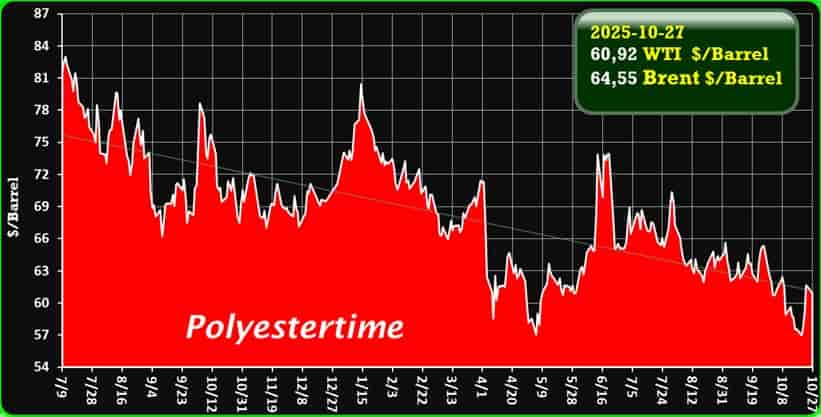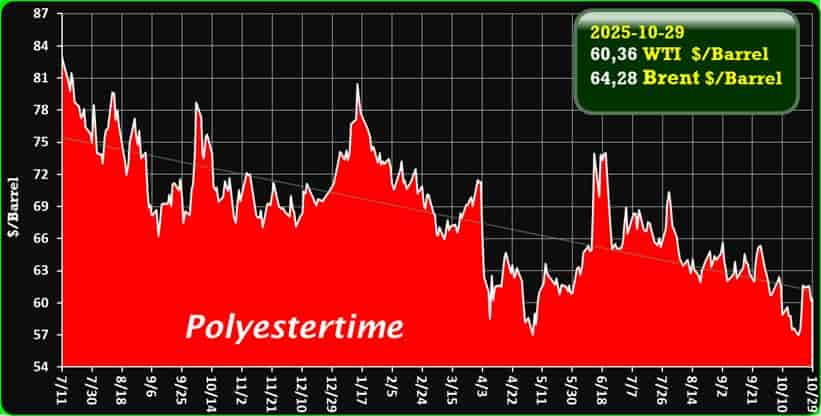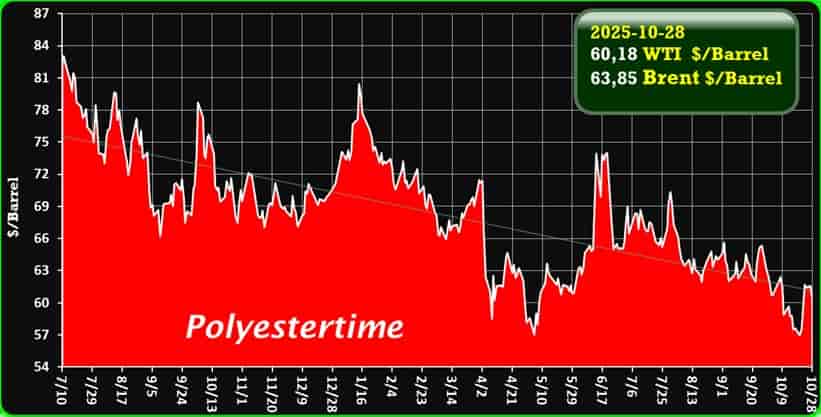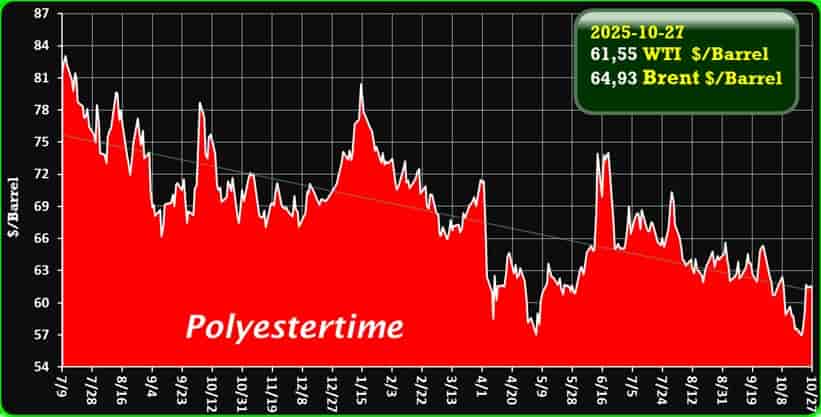
Oil Price Falls as Supply Surplus Builds, Brent Slips to $64.55 and WTI to $60.92 Amid Weak Demand and OPEC Inaction Concerns 28-10-2025
Global Oil Price Slides Today as Oversupply Worries Return and Demand Signals Weaken
Date: October 27, 2025
Introduction
Today, on October 27, 2025, the global oil price is slipping as fresh data and supply concerns dampen earlier optimism. Below, we review the updated levels, key drivers behind the drop, and what to watch going forward.
1. Current Oil Price Levels
Here’s a snapshot of the latest benchmark crude oil rates:
| Benchmark | Recent Price | Change / Notes |
|---|---|---|
| Brent Crude | US $64.55 per barrel | Down from previous highs as oversupply concerns return. |
| WTI (West Texas) | US $60.92 per barrel | Also down, reflecting weaker demand outlooks. |
2. What’s Causing the Price Dip?
Several factors are contributing to the downward movement in the oil price:
- Supply risks resurfacing – Despite earlier optimism, indications that OPEC+ may not cut output quickly (or may even increase it) are weighing on the market.
- Demand worries – Sluggish signals from major economies are raising doubts about near-term oil consumption growth.
- Inventory and production cues – Any sign of stock builds or sustained high production, especially outside OPEC+, threatens to tip the market into oversupply.
- Geopolitical optimism faded – Earlier positives, such as trade talks between the United States and China, are still relevant, but market participants seem less willing to price in strong demand gains for now.
3. Why It Matters for Consumers & Businesses
- Fuel & transportation costs: A lower oil price can ease some pressure on gasoline and diesel costs—potentially a relief for consumers and shipping firms.
- Inflation & cost structure: If oil remains under pressure, input costs in transport, manufacturing, and chemicals may stabilise or drop, reducing inflation risk.
- Investment implications: Energy-sector investors may become more cautious: the upside from demand revival looks weaker, while the risk of oversupply remains.
- Global growth linkage: A decline in oil price signals market expectations of slower demand growth, which may mirror economic growth concerns.
4. What Could Change the Trend?
Keep an eye on these key triggers:
- Output decisions by OPEC+ – If they announce cuts or delays in increases, the oil price could rebound.
- Inventory reports – Weekly data on U.S. oil stockpiles or global supply flows could shift sentiment.
- Major demand news – Any positive surprise from China, India or the U.S. might reverse the weakness in oil price.
- Geopolitical disruptions – Unexpected supply shocks (e.g., from Russia, Middle East) could tighten the market and lift prices.
5. Take-away Summary
- The oil price is currently declining, reflecting weaker demand expectations and the risk of oversupply.
- For consumers and businesses, this might bring some relief in fuel and input-cost pressure, but also signals caution about growth prospects.
- For investors, the backdrop is one of muted upside and elevated risk, rather than a clear bull-market signal.
- Staying alert to supply-side announcements, inventory data and demand-side developments will be key to navigating the near-term outlook.
Conclusion
On October 27, 2025, the oil price drop suggests that while earlier hopes for a rebound in demand and tighter supply still exist, the market is increasingly pricing in a softer scenario. For consumers, businesses and investors, being nimble and watching the critical supply-demand indicators will matter more than ever.
More…