Oil Price Trends Show Mixed Signals as Brent Holds $61.01 and WTI Near $57.55 on Dec 2, 2026 – Oversupply Pressures Clash with Geopolitical Risks
Current Oil Price Trend (Brent & WTI)
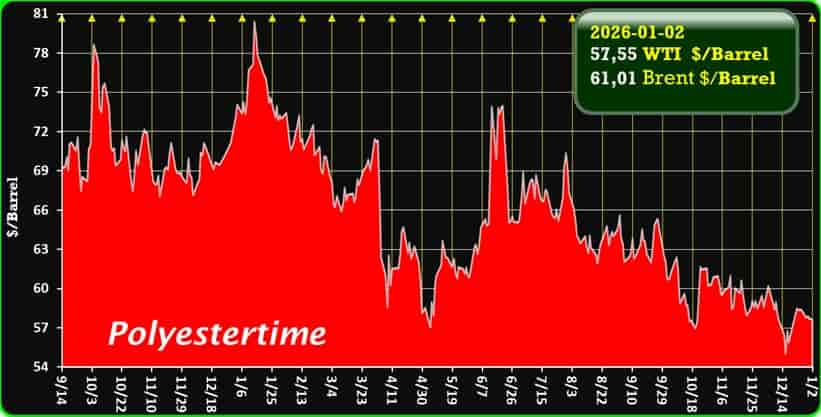
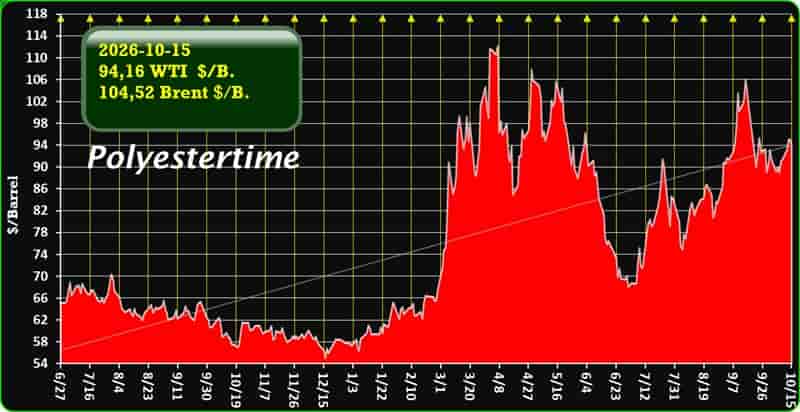
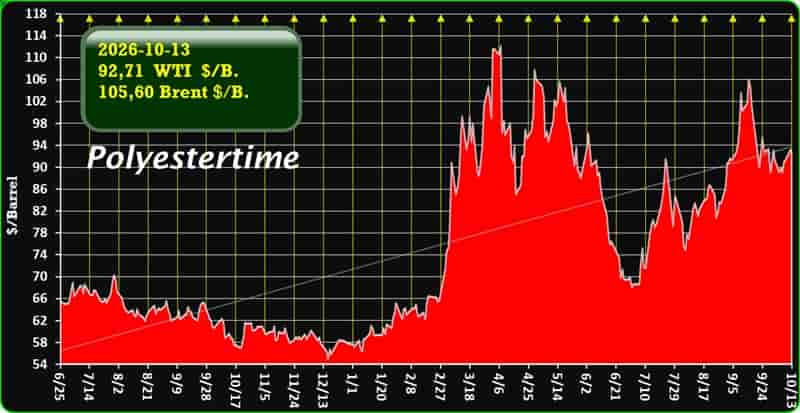
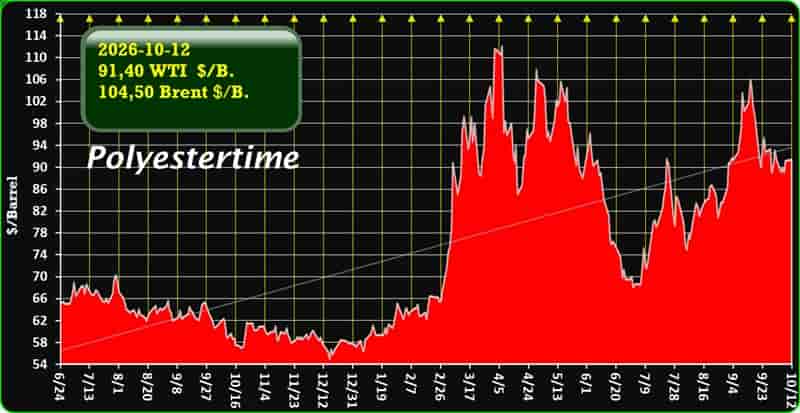
As of December 2, 2026, global oil price benchmarks show Brent crude trading around $61.01 per barrel and West Texas Intermediate (WTI) at $57.55 per barrel. These levels reflect modest gains early in the month following a year of declines, yet remain subdued compared with past cycles. Brent and WTI both endured steep annual losses in 2025—the worst since 2020—largely driven by persistent oversupply and soft demand growth. Reuters+1
| Benchmark | Price (Dec 2, 2026) | Recent Direction |
|---|---|---|
| Brent | $61.01 / barrel | Steady with slight upward drift |
| WTI | $57.55 / barrel | Stable to slightly higher |
Recent data show prices nudging higher after a challenging year where oversupply dominated fundamentals, though still constrained within a broader lower range. Trading Economics
Key Forces Behind Today’s Oil Price Movements
Understanding the oil price today means looking at several layers of influence—from global crude balances to geopolitics and sentiment.
📊 Global Supply & Demand Balance
A central theme in 2026 is the persistent supply glut. Agencies and analysts warn that global oil production continues to outpace demand, leading to pressures that keep prices from rebounding higher. For instance:
-
The International Energy Agency (IEA) forecasts that supply will exceed demand by roughly 3.8 million barrels per day this year. shanakaanslemperera.substack.com
-
The U.S. Energy Information Administration (EIA) projects Brent may average near $55 per barrel early in the year before stabilizing. U.S. Energy Information Administration
Despite OPEC+ decisions to pause planned output increases, non-OPEC producers—especially in the U.S., Canada, and Brazil—continue robust output, intensifying the surplus. Reuters
🛢️ OPEC+ Actions
OPEC+ remains in focus as policymakers balance market share with price support efforts. After a series of supply reductions in 2025, the group paused further output hikes in early 2026 to prevent excess crude entering an already well-supplied market. OilPrice.com
This pause has helped prevent deeper declines but hasn’t reversed the broader trend of oversupply. Markets are watching upcoming OPEC+ meetings for clues on whether the cartel will adjust its strategy further.
🪖 Geopolitical Developments
Geopolitical tension often injects volatility into the oil price dynamic:
-
Escalation in conflicts involving Russia and Ukraine and U.S. sanctions targeting Venezuelan oil firms have added sporadic support to prices. Reuters
-
However, these risks have struggled to outweigh structural supply pressures.
Geopolitics thus acts as a pendulum: it can briefly boost crude prices, but long-term trends remain grounded by global inventories and production levels.
💼 Economic Data & Demand Signals
Weak demand growth—especially from major consumers like China and the aftermath of slower global economic expansion—has dampened oil price trajectories. Continued economic caution means demand isn’t rising fast enough to soak up overflowing supply, contributing to downward pressure. shanakaanslemperera.substack.com
Investor Sentiment & Market Psychology
Investor behavior in oil markets often reflects uncertainty and risk aversion. After a sharp drop in 2025:
-
Traders anticipate a $55–$65 range for Brent in early 2026 due to mixed signals on supply, demand, and geopolitics. Wall Street Journal
-
Some energy firms and executives forecast WTI averages near the mid-$50s to low-$60s throughout 2026, highlighting the market’s cautious stance. Rigzone
Sentiment remains “neutral-to-bearish” overall, driven by oversupply concerns but tempered by geopolitical factors that limit steep downside moves.
Short-Term Outlook for Oil Prices
Where might oil prices head next?
Given current forces:
-
Range-bound movement around $55–$65 per barrel seems probable in Q1 and early 2026, capped by excess supply and modest demand. Wall Street Journal
-
A deeper drop toward the low end of that range is possible if inventories swell further and economic growth weakens.
-
However, geopolitical risks or unexpected supply disruptions could briefly push prices higher.
In essence, the market is in a consolidation phase—prices have stabilized after deep falls but lack strong upward momentum without significant shifts in supply or demand.
What This Means for the Global Economy & Energy Markets
🌍 Consumers
Lower or stable crude prices can help ease energy costs, benefiting consumers through cheaper gasoline and reduced input costs for goods transportation.
🏭 Energy Sector
Producers may face tighter margins, leading to:
-
Reduced capital spending,
-
Greater focus on cost efficiencies,
-
Continued strategic balancing by major oil companies between oil, gas, and emerging energy sources. OilPrice.com
📈 Economic Growth
Stable energy prices can support broader economic steadiness, but prolonged oversupply reflects weak global demand—an indicator of constrained growth in broader markets.
Conclusion: The oil price on December 2, 2026—Brent at $61.01 and WTI at $57.55—mirrors a market grappling with oversupply, subdued demand, and mixed investor sentiment. While prices have steadied from deeper losses, short-term prospects point toward a balanced, range-bound pattern shaped by supply dynamics and geopolitical undercurrents. For consumers and markets alike, this translates to relative stability but limited upside unless major shifts arise in production levels or global demand.