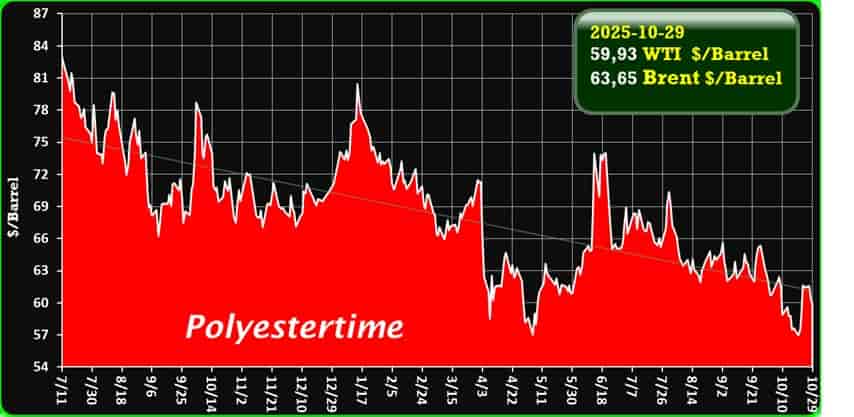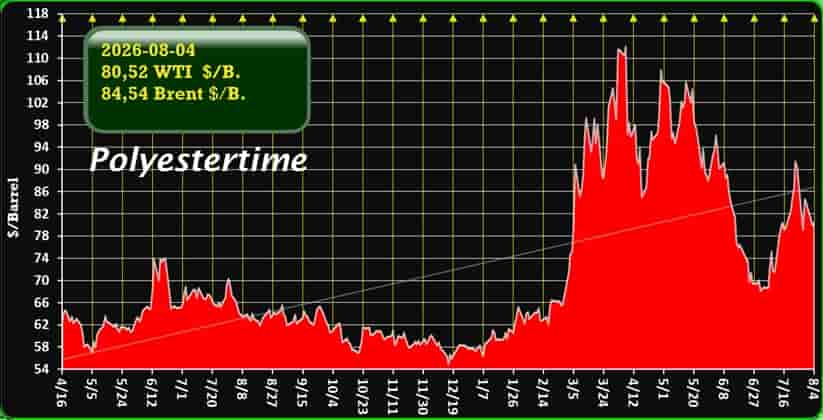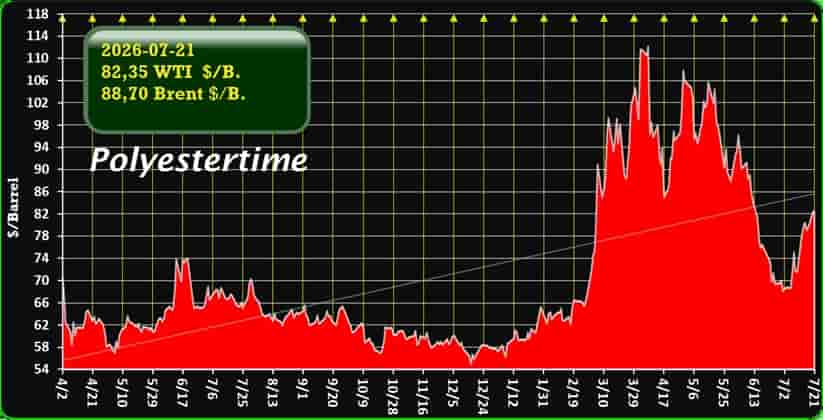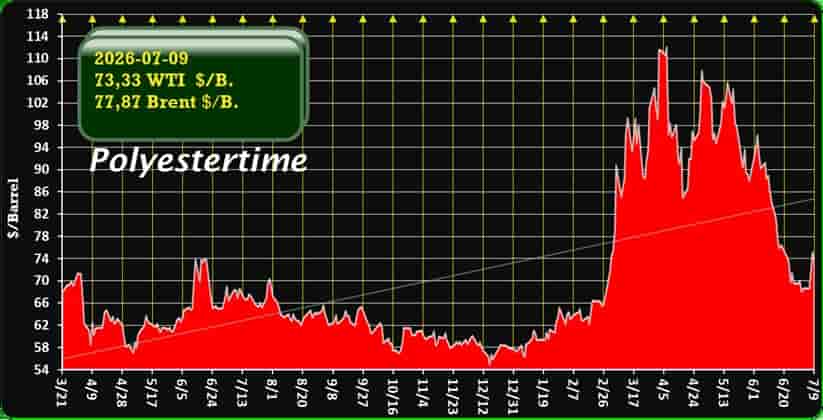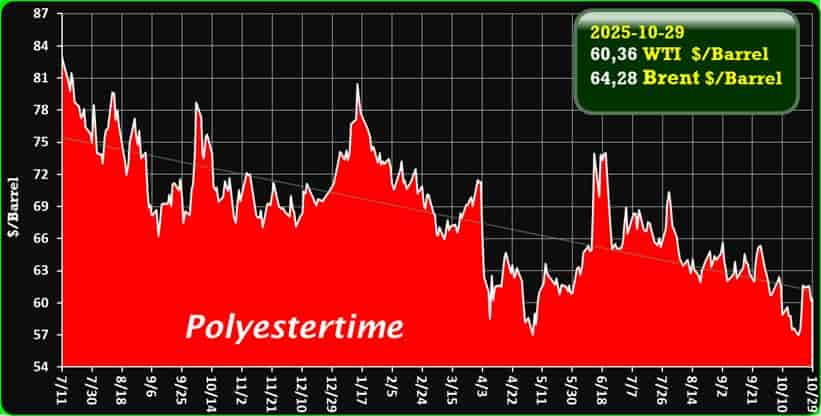
Oil price dips despite sanctions pressure: Brent at 63.65 $/B and WTI at 59,93 $/B amid mixed supply signals and demand outlook 29-10-2025
Introduction
The global oil price remains under pressure as of 29 October 2025. Benchmark crude grades are trading at approximately 63.65 $/barrel for Brent and 60.00 $/barrel for WTI. These levels reflect a confluence of geopolitical, supply-side and demand-side forces. In this article, we dissect the key drivers, present a clear data snapshot and explore what the coming weeks could bring.
Our aim: ensure mobile-friendly readability, semantic clarity (so that large language models understand the content easily) and a structure that is digestible on small screens.
Current price snapshot
| Grade | Price (USD/B) | Change vs previous session* |
|---|---|---|
| Brent | 63.65 $/B | Slight decline amid supply concerns |
| WTI | 59,93 $/B | Similar modest slip |
*Approximate values as of today, 29 October 2025.
These figures align with widely-reported market quotations and commentary. Some sources list Brent at 64.33 $/B and WTI at 60.08 $/B reflecting intra-day moves. Reuters+4Amwal Al Ghad+4Trading Economics+4
What’s driving the oil price now?
1. Geopolitical & sanctions impact
The oil price has been supported in part by fresh sanctions targeting major Russian producers such as Rosneft and Lukoil. Reuters+2The Wall Street Journal+2 These measures tighten supply prospects, especially given Russia’s role as a major crude exporter.
However, markets remain cautious: there’s scepticism about how much the sanctions will truly reduce flows given alternative channels and high inventory levels. Reuters+1
2. Supply signals from OPEC+ and inventory data
Reports suggest that the OPEC+ group is considering a production increase of around 137 000 barrels per day in December, which could add downward pressure on the oil price by increasing potential supply. Reuters+1 Meanwhile U.S. inventory draws (crude, gasoline, distillate) have offered some support. Reuters
3. Demand & macro-economic considerations
Global demand growth remains uncertain. Some analysts expect a surplus of around 4 million barrels per day in 2026. Reuters+1 Additionally, tariff pressures and rising input-costs for the oil industry may hamper production investments and thus influence medium-term pricing. OilPrice.com+1
Implications for stakeholders
-
Refiners & producers: Margins may remain under pressure as the oil price hovers near these levels, especially for higher-cost barrels.
-
Consumers & downstream sectors: Slight declines in crude could ease petrol/diesel costs indirectly, though regional taxes and logistics will matter.
-
Investors & market watchers: The balance between supply concerns (sanctions, geopolitics) and oversupply fears (OPEC+ production, weak demand) keeps volatility high.
-
Policy makers: Lower crude input costs reduce inflationary pressure in energy-intensive economies, but the oil industry’s investment cycle may suffer.
Forecast considerations & watch-points
-
Will OPEC+ proceed with the planned output increase? If yes, that could tip the oil price lower.
-
Will sanctions on Russia deepen and materially reduce flows? A meaningful disruption could force a price uptick.
-
What will the upcoming Federal Reserve policy decision and global growth outlook signal for demand?
-
How will alternative energy transitions and non-oil supply sources evolve in response to weak crude pricing and investment pull-backs?
Conclusion
Today’s oil price — circa 63,65 $/B for Brent and 59,93 $/B for WTI — reflects a market caught between opposing forces. On one hand, supply-tightening risks due to sanctions and geopolitical tensions. On the other hand, looming supply expansion and demand softness limit upside potential. For participants across the energy chain, navigating this environment requires attention not just to the headline price but to underlying dynamics that could shift the balance swiftly.