US Iran Oil Prices Balance at $86 Brent: Key Drivers and Global Market Outlook
US Iran Oil Prices Balance at $86 Brent: Key Drivers and Global Market Outlook
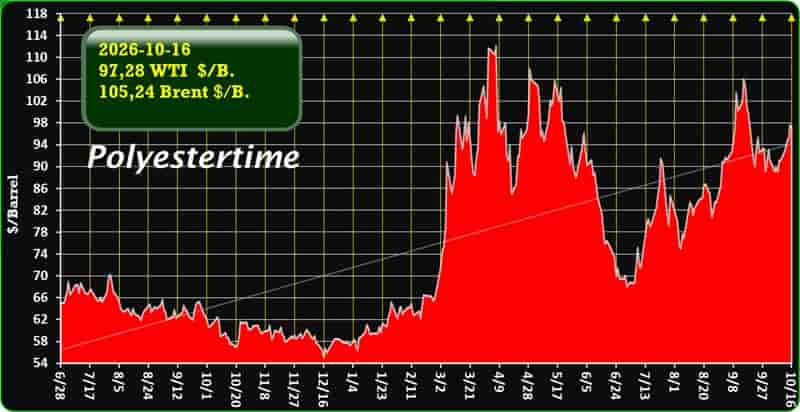
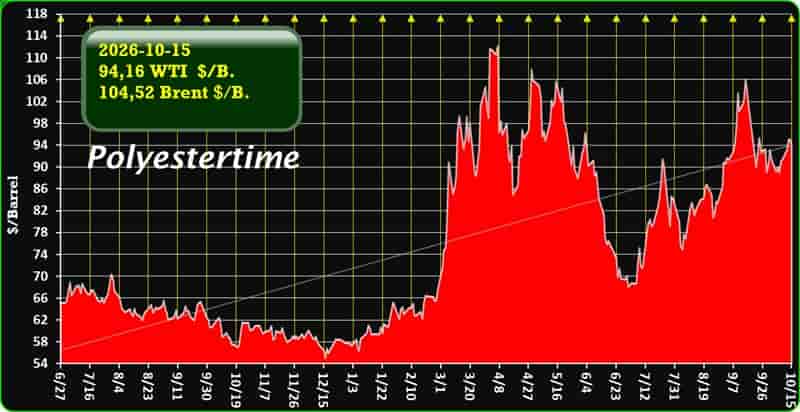
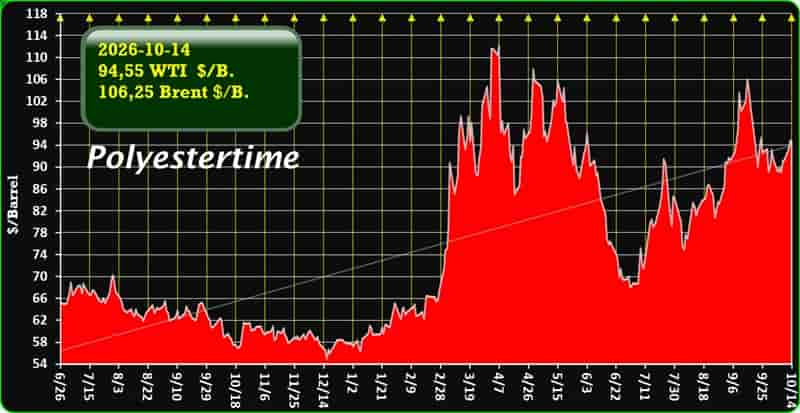
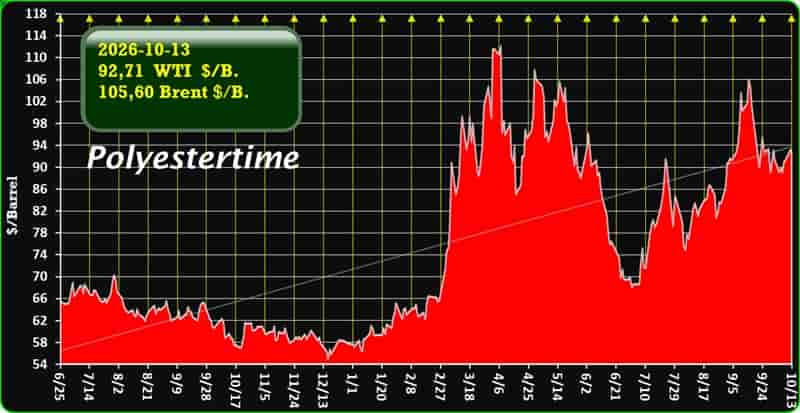
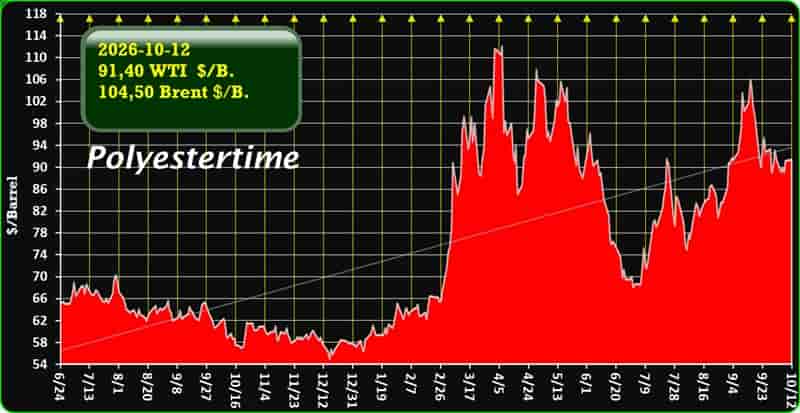
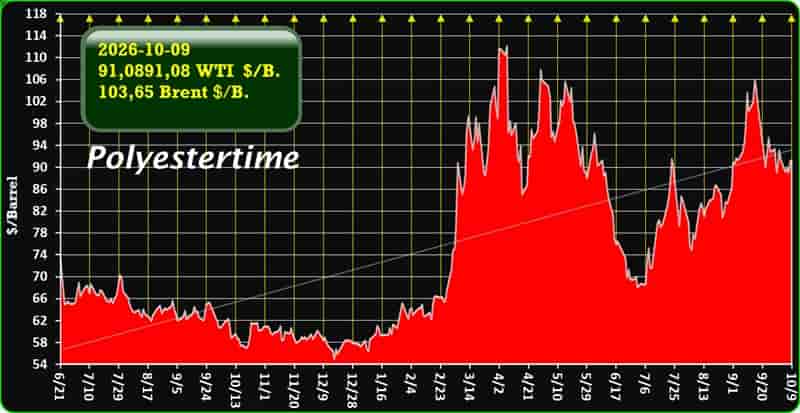
Crude oil benchmark prices are holding at crucial resistance levels, with Brent crude trading around $86 per barrel and West Texas Intermediate (WTI) hovering near $82 per barrel. This price range reflects a delicate equilibrium between heightening military tensions in the Middle East and offsetting physical inventory dynamics in major consuming nations.
Energy markets continue to price in a persistent geopolitical risk premium driven by military exchanges involving US forces, Iranian military infrastructure, and proxy groups along critical shipping corridors.
The Geopolitical Catalyst: Military Escalation and Shipping Vulnerabilities
The ongoing clash between US forces and Iranian targets remains the central catalyst driving crude market volatility. Recent military strikes against Iranian-backed groups and strategic installations in the region have renewed fears over the stability of global energy transit routes.
The Strait of Hormuz Chokepoint
The Strait of Hormuz, through which roughly 20% of global seaborne petroleum flows during normal operations, continues to experience irregular transit rates. Although recent maritime reports indicate small upticks in daily vessel crossings, overall commercial shipping traffic remains vulnerable to drone strikes, electronic jamming, and naval interdictions.
Red Sea and Black Sea Disruptions
The regional friction has expanded beyond the Persian Gulf. Red Sea maritime security remains compromised by Houthi missile strikes, forcing international shipping consortiums to divert tankers around Africa’s Cape of Good Hope. Concurrently, Black Sea export disruptions at major pipeline terminals have further tightened global physical crude supply.
Fundamental Supply & Demand Metrics
Beyond geopolitical headlines, physical supply indicators are preventing prices from dropping significantly below current levels.
| Market Metric | Current Status / Value | Market Impact |
| Brent Crude Benchmark | ~$86.00 / barrel | Establishes global import benchmark floor |
| WTI Crude Benchmark | ~$82.00 / barrel | Reflects domestic US crude pricing dynamics |
| US Crude Inventories | Drawdown (~3.3M barrels) | Signal of tight short-term domestic supply |
| OPEC+ Output Strategy | Pausing production increases | Restricts additional global barrel supply |
Tightening US Commercial Reserves
Industry inventory reports show US commercial crude inventories drew down by approximately 3.3 million barrels in recent weekly data. Depleting inventories indicate strong domestic refinery runs and constrained imports, reinforcing the $80-plus price floor for WTI.
OPEC+ Production Stance
OPEC+ delegates have signaled plans to pause scheduled output increases starting in October, halting the gradual return of voluntary output cuts. By maintaining tight supply quotas, the alliance aims to counter demand headwinds stemming from slow economic expansion in major Asian markets. US Iran Oil Prices
Technical and Economic Market Outlook
Energy analysts expect US Iran oil prices to trade within a wide range of $80 to $100 per barrel over the near term.
Bullish Factors vs. Bearish Pressures
-
Bullish Catalysts: Direct retaliatory strikes on energy infrastructure, further maritime blockades, unexpected inventory draws, and coordinated OPEC+ supply curbs.
-
Bearish Pressures: Diplomatic de-escalation initiatives, elevated commercial stockpiles in major Asian economies, and high global interest rates dampening demand growth.
As long as shipping lanes through the Strait of Hormuz experience periodic disruption, markets will maintain a risk premium of $10 to $15 per barrel. However, growing commercial bypass pipelines and higher domestic US output continue to cap runaway price surges above $100 per barrel.
US-Iran Oil Prices: Brent Holds at $89/B Amid Middle East Supply Risks
More…