PET Bottle Recycling Reaches 17,101 Tonnes in Austria
Austria’s PET Bottle Recycling Holds Firm Despite Market Pressure
Austria’s bottle-to-bottle recycling sector processed 17,101 tonnes of used PET beverage bottles during the first half of 2026, keeping a substantial volume of plastic within a closed material cycle.
The result was 7% below the exceptionally strong first half of 2025, when 18,403 tonnes were processed. However, it remained above the 16,071 tonnes recorded during the same period in 2024.
The figures indicate that PET bottle recycling in Austria continues to grow over the longer term, even as recyclers face weaker demand, changing collection streams and difficult competition from newly produced plastic.
Key figures at a glance
-
PET processed in the first half of 2026: 17,101 tonnes
-
PET processed in the first half of 2025: 18,403 tonnes
-
PET processed in the first half of 2024: 16,071 tonnes
-
Year-on-year change: approximately minus 7%
-
Full-year volume in 2025: a record 33,675 tonnes
-
Planned investments: electric forklifts and automated bale-wire removal
A slight decline after a record year
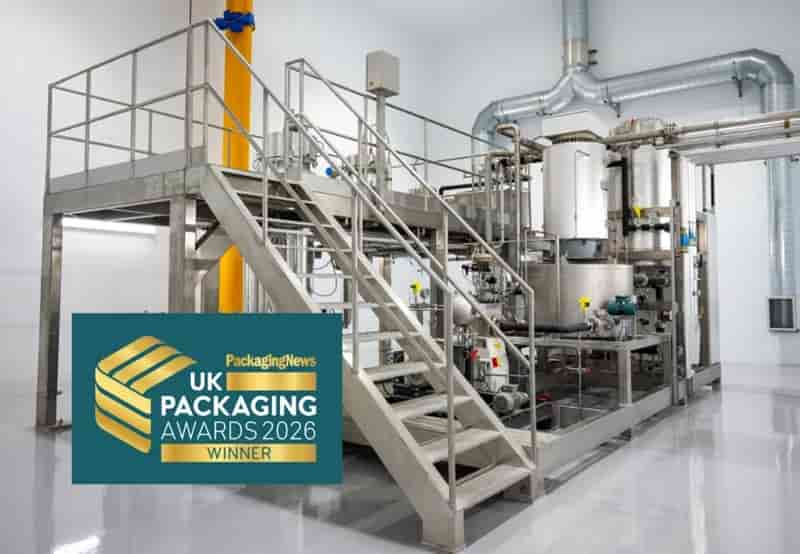
PET to PET Recycling Österreich operates a recycling plant in Müllendorf, Burgenland, where used beverage bottles are processed into material suitable for producing new bottles.
Its latest half-year result follows an all-time annual high of 33,675 tonnes in 2025.
The reduction from 18,403 tonnes in the first half of 2025 to 17,101 tonnes in the first half of 2026 represents a decline of about 7%. Viewed in isolation, that suggests a slower start to the year.
A longer comparison provides a more balanced picture. The 2026 result was 1,030 tonnes higher than the first-half total for 2024, equivalent to growth of approximately 6.4% over two years.
The figures therefore show short-term volatility within a broader upward trend rather than a collapse in recycling activity.
Austria’s deposit system is changing the material stream
Austria introduced a nationwide deposit-return system for single-use beverage packaging at the beginning of 2025.
The system covers qualifying PET bottles and metal cans with capacities between 0.1 and 3 litres. Consumers pay a deposit when purchasing a drink and recover it when returning the empty container through an approved collection point.
Deposit systems can produce relatively clean, well-defined material streams because beverage containers are collected separately from mixed household waste. This is important for bottle-to-bottle recycling, where colour, contamination and polymer quality influence whether recycled PET can be used in new food-contact packaging.
The transition has nevertheless required recyclers to adapt their operations.
PET to PET reported making further plant adjustments during the first half of 2026 to handle the new material grades arriving through Austria’s deposit system and associated sorting infrastructure.
A change in collection method does not automatically produce stable processing volumes from its first day. Collection behaviour, sorting specifications, logistics and plant settings must all adjust to the new system.
What bottle-to-bottle recycling means
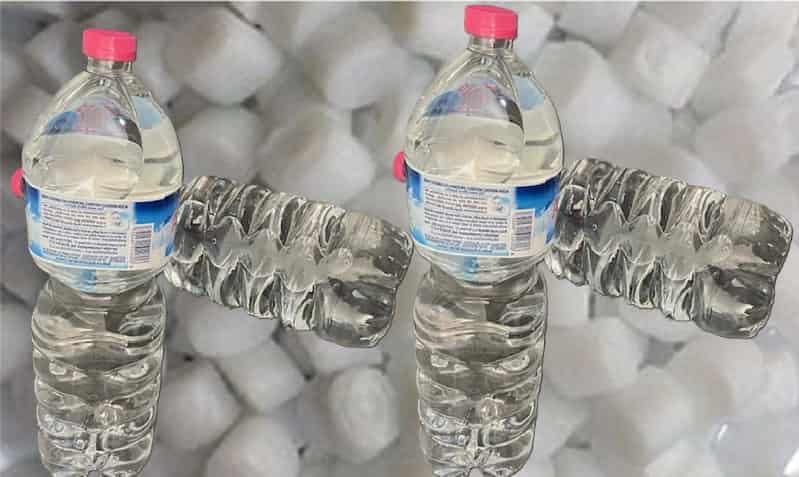
Bottle-to-bottle recycling turns used PET beverage bottles into recycled material that can be used to manufacture new bottles.
After collection, bottles are typically sorted by colour and material, compressed into bales and delivered to a recycling facility. They are then opened, inspected, shredded and washed.
Labels, caps, adhesives, dirt and incompatible plastics must be removed. The cleaned PET flakes can subsequently undergo additional processing and decontamination before being converted into food-grade recycled PET, commonly known as rPET.
This closed-loop application is important because it retains the material within a similar, relatively high-value use.
Using a bottle to produce another bottle is generally preferable to converting it immediately into a product that cannot be recycled again with comparable efficiency. Maintaining material quality supports repeated circulation and reduces the need for newly produced PET.
Recycled PET faces an economic disadvantage
The principal challenge is no longer simply whether PET bottles can be recycled. The technology is well established.
The more difficult question is whether recycled PET can compete economically against virgin plastic manufactured from fossil feedstock.
PET to PET’s management warned that secondary raw materials remain more expensive than primary alternatives under many market conditions. Companies under pressure to reduce expenditure may therefore favour virgin PET when regulations or customer commitments do not require recycled material.
This creates a structural problem for the circular economy.
Recycling plants need sufficient demand to justify investment, maintain capacity and purchase collected material. When virgin plastic is cheaper, environmental benefits alone may not provide a strong enough commercial incentive.
A bottle can be collected and technically recyclable, but a circular system is incomplete unless manufacturers also purchase the recovered material.
Recycled-content rules can create more stable demand
Mandatory recycled-content requirements are intended to reduce this imbalance by creating dependable demand for secondary raw materials.
PET beverage bottles placed on the EU market have been subject to recycled-content requirements since 2025, with broader requirements scheduled to increase in 2030.
Such rules can give recyclers and packaging manufacturers greater confidence when planning investments. They can also discourage companies from abandoning recycled feedstock whenever the price of virgin plastic temporarily falls.
However, effective regulation requires credible measurement and traceability. Authorities and buyers must be able to determine where recycled material originated, how it was processed and how much is actually present in a finished package.
For recyclers operating within Europe, predictable implementation is particularly important because energy, labour, infrastructure and compliance costs can differ significantly from those faced by overseas competitors.
Energy and raw-material prices remain unpredictable
PET recyclers are exposed to several external costs.
Sorting, washing, drying, decontamination and pellet production all consume electricity and other resources. Transport costs also influence the economics of moving collected bottles and processed material between collection centres, recycling plants and packaging manufacturers.
Changes in oil and energy markets can affect both sides of the equation. Higher fossil-feedstock prices may make virgin PET more expensive and temporarily improve the competitiveness of recycled plastic. When those prices fall again, rPET can lose that advantage.
This volatility makes long-term planning difficult.
A recycling plant cannot base major equipment decisions solely on a brief increase in virgin-plastic prices. Investment requires confidence that recycled material will continue to have a market throughout changing economic conditions. PET bottle recycling
Plant investment continues in Müllendorf
Despite the difficult market, PET to PET plans further operational improvements during the second half of 2026.
The company intends to convert all five forklifts used outdoors to electric power. Its five indoor forklifts are already electrically powered.
Electric vehicles can eliminate direct exhaust emissions inside or around working areas and may reduce noise and maintenance requirements. Their total environmental benefit nevertheless depends partly on the electricity source, battery use and replacement cycle.
The company is also preparing to automate the removal of wires from compressed PET bales.
Bale wire keeps collected bottles tightly compacted during storage and transport. It must be removed safely before the material enters the recycling line.
Automating this stage could reduce repetitive manual handling, improve worker safety and create a more consistent flow of material into the plant. The project is expected to be completed in autumn 2026.
Why sorting quality matters
A deposit system can improve PET recovery, but collection volume alone does not determine recycling performance.
Recyclers need bottles that can be identified, separated and processed without excessive contamination.
Several factors affect the quality of the incoming material:
-
Non-PET containers mixed into PET bales
-
Bottles containing residual liquids
-
Problematic labels or adhesives
-
Dark colours that limit future applications
-
Multilayer packaging
-
Non-compatible sleeves and components
-
Dirt introduced during collection or storage
Packaging design therefore plays an important role.
Manufacturers can improve recyclability by using detectable materials, removable labels, compatible closures and transparent or lightly coloured bottles. These choices can increase sorting yields and preserve the value of recovered PET.
Public participation remains essential
Deposit systems rely on consumers returning containers rather than placing them in general waste or discarding them in public spaces.
Austria’s official deposit-system operator says its objective is to keep 90% of eligible PET bottles and cans within the collection cycle by 2027.
Reaching a high return rate requires convenient collection points, reliable refund equipment, clear labelling and public understanding of which containers are accepted.
Educational activities can support this process by showing what happens after a bottle is returned.
PET to PET reports receiving frequent requests for plant visits and places particular emphasis on explaining the recycling process to younger people. Such engagement can connect the simple act of returning a bottle with the industrial system needed to produce new packaging.
What the half-year result really shows
The 17,101 tonnes processed during the first half of 2026 represent a decline from an unusually strong comparison period, but they do not reverse the longer-term rise in PET recycling volumes at the Müllendorf plant.
The result also illustrates a wider tension within Europe’s circular economy.
Collection infrastructure and recycling technology can improve while the market for recycled material remains financially vulnerable. Recyclers must compete with virgin plastic, respond to changing energy prices and adapt to new regulatory and collection systems simultaneously.
Technical capacity alone will not close the loop.
Bottle-to-bottle recycling depends on four connected elements:
-
Consumers returning used bottles
-
Collection systems producing clean material streams
-
Recycling plants maintaining quality and efficiency
-
Manufacturers purchasing recycled PET for new packaging
Weakness at any point can affect the entire cycle.
Outlook for the second half of 2026
PET to PET expects its full-year recycling result for 2026 to exceed the record achieved in 2025, despite the lower year-on-year total reported for the first six months.
Meeting that expectation would require a stronger second half.
The planned forklift conversion and bale-wire automation demonstrate continued investment in the plant, but the broader result will also depend on collection volumes, operating costs and demand for recycled PET.
Austria’s evolving deposit system should provide an increasingly structured stream of beverage containers. The key test will be whether this material can be processed and sold into new bottle production at a scale that remains both environmentally valuable and economically sustainable.
Frequently asked questions
How much PET did PET to PET process in early 2026?
The company processed 17,101 tonnes of PET beverage-bottle material during the first half of 2026.
Was this higher or lower than in 2025?
It was approximately 7% lower than the 18,403 tonnes processed during the first half of 2025.
Is the longer-term trend declining?
No. The first-half result remained above the 16,071 tonnes processed in the same period of 2024.
What is bottle-to-bottle recycling?
It is the recovery and treatment of used PET bottles so that the material can be used to manufacture new bottles.
Why is recycled PET sometimes more expensive?
Recycled PET requires collection, sorting, washing, decontamination and quality-control processes. Its price must also compete with virgin PET, whose cost changes with global energy and fossil-feedstock markets.
What investments are planned at the plant?
The company plans to convert its remaining outdoor forklift fleet to electric power and automate the removal of wire from compressed bottle bales.
Editorial source note
This article is based primarily on PET to PET Recycling Österreich’s half-year report published on July 28, 2026. The central statistics were independently cross-checked against industry reporting published on July 29, 2026. General explanations have been added to place the company figures in context without presenting estimates as reported results.
India Enforces 40% Recycled PET Rule Transforming Packaging Sustainability Landscape
More…