7 Dangerous Reasons Trump Chose the Iran Attack Now and Risked Everyt
Introduction: Understanding the Trump Iran Attack Decision
The Trump Iran attack decision has quickly become one of the most debated geopolitical developments in recent years. Observers across political and economic spheres are trying to understand why such a risky move was taken despite potential domestic backlash and global instability.
For many analysts, the Trump Iran attack decision cannot be explained solely by short-term political considerations. Instead, it appears connected to broader strategic ambitions, personal legacy, and a shifting balance of power in international politics.
To understand the motivations behind the decision, it is necessary to examine both domestic political dynamics and the long history of tensions between the United States and Iran.
A Risky Break From a Core Campaign Promise
One of the most surprising aspects of the Trump Iran attack decision is how dramatically it diverges from previous campaign messaging.
Trump repeatedly positioned himself as a president who would avoid new wars and prioritize domestic economic strength. This message resonated strongly with many voters, particularly within the America First political base.
Launching a military action against Iran therefore created immediate tensions within his own political coalition. Some conservative activists accused him of abandoning the very principles that helped propel him to power.
Yet the decision suggests that political risk may have been considered secondary compared with other objectives.
Legacy and the Pursuit of Historical Impact
A major factor behind the Trump Iran attack decision may be the desire to secure a lasting historical legacy.
Presidents approaching the final phase of their political careers often seek defining moments that shape how they will be remembered. For Trump, confronting Iran may represent an opportunity to resolve a geopolitical rivalry that has lasted for decades.
Relations between Washington and Tehran have been hostile since the Iranian Revolution of 1979. Over the years, the conflict has included diplomatic crises, regional proxy battles, and recurring threats of military confrontation.
From this perspective, the Trump Iran attack decision could be seen as an attempt to change the strategic balance that has defined Middle Eastern politics for nearly half a century.
Domestic Political Costs Were Likely Calculated
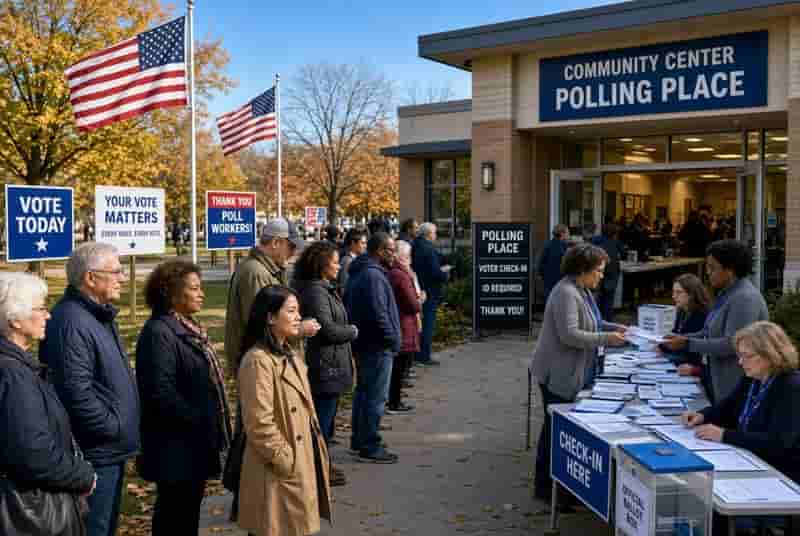
Critics argue that the Trump Iran attack decision could harm his political standing, particularly with elections approaching. Wars of choice often create economic pressure, especially when energy prices rise or financial markets react with uncertainty.
Fuel prices, inflation concerns, and global supply disruptions could all affect American voters. Historically, economic stability tends to outweigh foreign policy success in shaping electoral outcomes.
However, the calculation behind the decision may assume that short-term political losses are less important than long-term geopolitical gains.
The Strategic Weakening of Iran
Another explanation focuses on military and strategic objectives.
Supporters of the Trump Iran attack decision argue that the operation aims to reduce Iran’s ability to project power beyond its borders. Tehran has long supported regional proxy networks and maintained influence in several Middle Eastern conflicts.
According to official statements, the operation targeted critical military infrastructure, including air defenses, naval capabilities, and drone production facilities.
If these claims are accurate, the broader goal may be to limit Iran’s ability to threaten regional allies and global energy routes.
A Larger Geopolitical Context
The Trump Iran attack decision also fits within a broader global power struggle involving several major states.
In recent years, geopolitical analysts have pointed to a gradual weakening of some governments traditionally aligned with Russia or opposed to Western influence. Changes in Syria, Venezuela, and other regions suggest that global alliances are shifting.
Viewed through this lens, the move against Iran may represent part of a wider effort to reshape international power dynamics.
Even if diplomatic rhetoric toward rival leaders appeared conciliatory at times, strategic actions on the ground may tell a different story.
Economic Stakes and Global Energy Markets
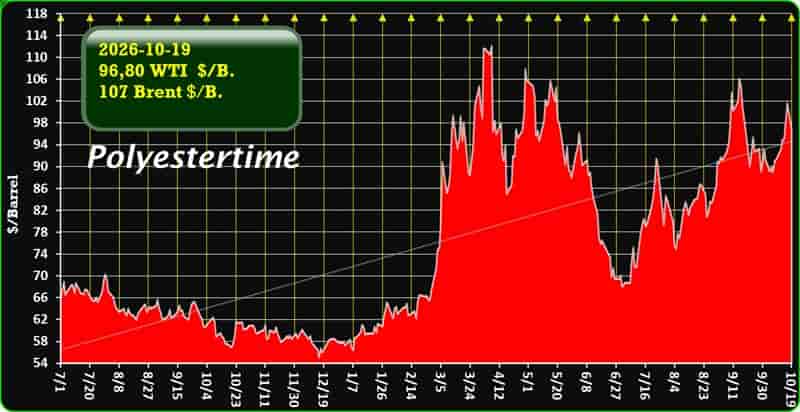
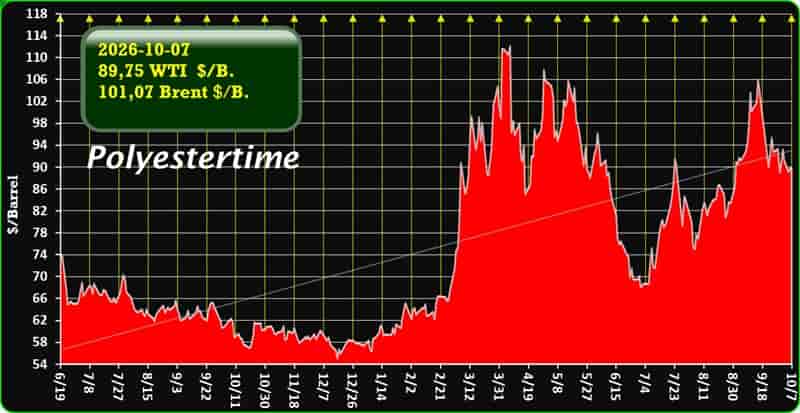
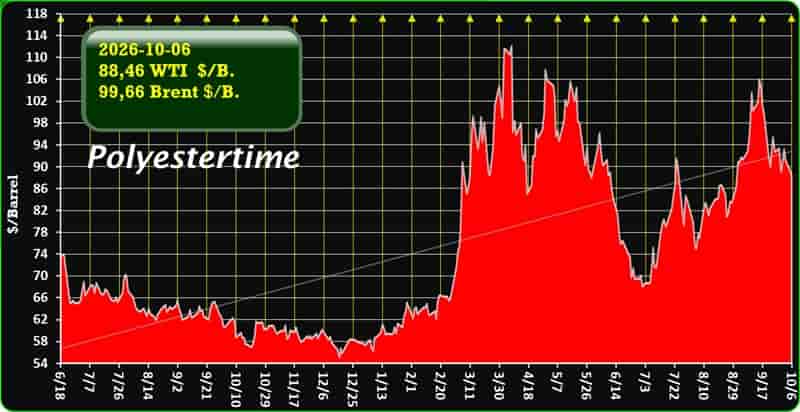
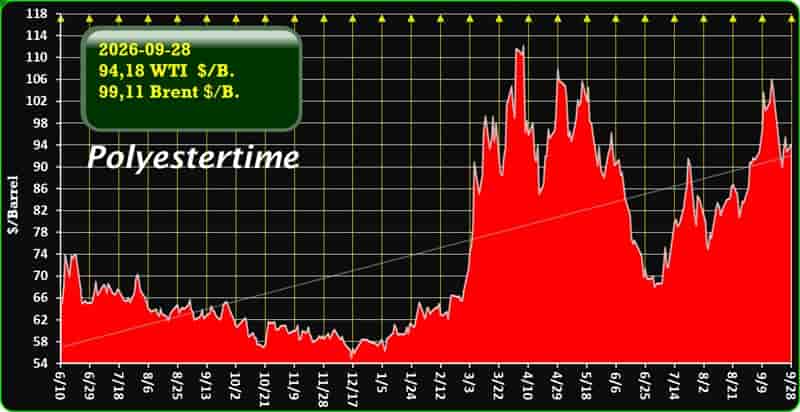
Any conflict involving Iran inevitably affects the global energy market. The country sits at the center of one of the most important oil-producing regions in the world.
As a result, the Trump Iran attack decision immediately raised concerns about rising crude oil prices and inflationary pressure across major economies.
Higher energy prices can influence everything from transportation costs to manufacturing output. If sustained, such pressures could complicate economic policy decisions, including interest rate adjustments by central banks.
For this reason, economic consequences remain a critical factor in evaluating the long-term success or failure of the strategy.
The Unresolved Nuclear Question
Despite the military operation, one major uncertainty remains unresolved.
Iran’s nuclear program has been a central concern for Western governments for years. Even if military infrastructure is weakened, questions remain about enriched uranium stockpiles and undisclosed facilities.
Until these issues are fully addressed, the Trump Iran attack decision cannot be considered strategically complete.
Any remaining nuclear capability would continue to influence regional security calculations and diplomatic negotiations.
Conclusion: A Gamble That Could Define a Presidency
The Trump Iran attack decision represents a high-stakes gamble with both political and geopolitical consequences.
By choosing confrontation despite domestic criticism and economic risks, Trump appears to have prioritized historical impact over short-term political advantage. The success of the strategy will depend on whether it achieves lasting security outcomes or instead deepens regional instability.
What is certain is that the decision has already reshaped international debates about power, leadership, and the future of Middle Eastern geopolitics.
More…