Sustainable Packaging Solutions Growth
Sustainable Packaging Solutions Drive 5 Powerful Innovations Transforming Circular Economy At Interpack 2026
Sustainable packaging solutions redefine industry direction
Green packaging solutions are rapidly becoming a priority across global industries, and upcoming showcases highlight how innovation is reshaping the sector. At interpack 2026, new materials and scalable approaches are demonstrating how companies can reduce environmental impact without sacrificing performance or efficiency.
The rise of sustainable packaging reflects a broader shift toward circular systems. Businesses are increasingly expected to balance environmental responsibility with operational resilience, making material innovation a key competitive factor.
A diversified approach to sustainable packaging solutions
One of the defining features of modern sustainable packaging solutions is flexibility. Rather than relying on a single material or method, companies are developing portfolios that include bio-based, recycled, and conventional plastics working together.
This diversified strategy allows manufacturers to transition at their own pace. Green packaging solutions must integrate seamlessly into existing production lines, minimizing disruption while delivering measurable environmental benefits. This practical approach is helping accelerate adoption across multiple sectors.
Bio-based materials enter new applications
A major advancement in sustainable packaging solutions is the expansion of bio-based plastics into sensitive applications such as food contact and healthcare. Materials derived from renewable sources like sugarcane are now engineered to meet strict safety and performance requirements.
These innovations represent a significant milestone. By enabling sustainable packaging solutions in high-regulation sectors, companies can reduce reliance on fossil-based plastics while maintaining quality standards. This development also opens new opportunities for brands seeking to align sustainability with consumer expectations.
Recycled materials strengthen circular systems
Recycling remains a cornerstone of Green packaging solutions. By reintroducing plastic waste into production cycles, manufacturers can reduce the need for virgin materials and lower overall emissions.
Advanced recycling technologies are improving the quality and consistency of recycled plastics, making them suitable for a wider range of applications. As a result, sustainable packaging solutions are becoming more reliable and scalable, supporting long-term industry growth.
Performance and scalability remain essential
While environmental benefits are critical,green packaging solutions must also deliver strong performance. Durability, safety, and cost efficiency are essential factors that influence adoption.
Modern materials are designed to meet these requirements, ensuring that sustainability does not come at the expense of functionality. Scalable production is equally important, as businesses need solutions that can support large-scale operations without supply disruptions.
Supporting the transition to a circular economy
Sustainable packaging solutions play a central role in advancing the circular economy. By keeping materials in use for as long as possible, these solutions reduce waste and promote resource efficiency.
Companies are increasingly focusing on end-to-end systems that consider the entire lifecycle of packaging. From raw material sourcing to recycling and reuse, green packaging solutions are designed to minimize environmental impact at every stage.
Industry collaboration and innovation
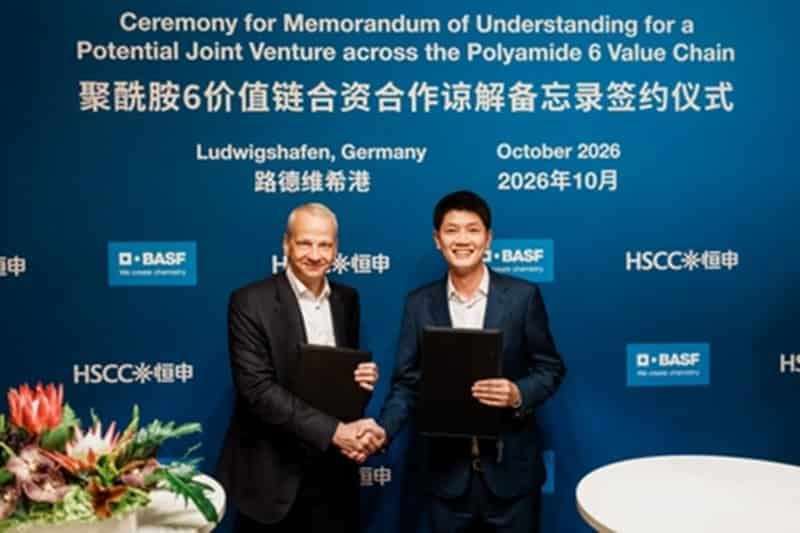
The development of sustainable packaging solutions is driven by collaboration across the value chain. Material producers, manufacturers, and brands are working together to create integrated systems that support sustainability goals.
Events like interpack 2026 provide a platform for sharing knowledge and showcasing innovation. Through interactive displays and real-world examples, companies can demonstrate how sustainable packaging solutions are being implemented in practice.
Meeting evolving regulatory and market demands
Regulatory pressure is another key factor driving the adoption of sustainable packaging solutions. Governments and international organizations are introducing stricter requirements for waste reduction and material sustainability.
At the same time, consumers are demanding more environmentally friendly products. This dual pressure is pushing companies to invest in sustainable packaging solutions that meet both regulatory standards and market expectations.
Future outlook for sustainable packaging solutions
The future of sustainable packaging solutions looks promising, with continued advancements in materials science and recycling technologies. As innovation accelerates, these solutions are expected to become more efficient, cost-effective, and widely adopted.
Businesses that invest early in sustainable packaging solutions are likely to gain a competitive advantage. By aligning sustainability with performance and scalability, they can position themselves as leaders in a rapidly evolving market.
Conclusion: a pivotal moment for packaging innovation
Sustainable packaging solutions are at the forefront of industry transformation. With new materials, scalable technologies, and collaborative efforts, the sector is moving toward a more sustainable and resilient future.
As companies continue to innovate and adapt, sustainable packaging solutions will play a crucial role in reducing environmental impact while supporting economic growth. This moment represents a significant step forward in the journey toward a truly circular economy.
PET Packaging Innovation Growth
More…