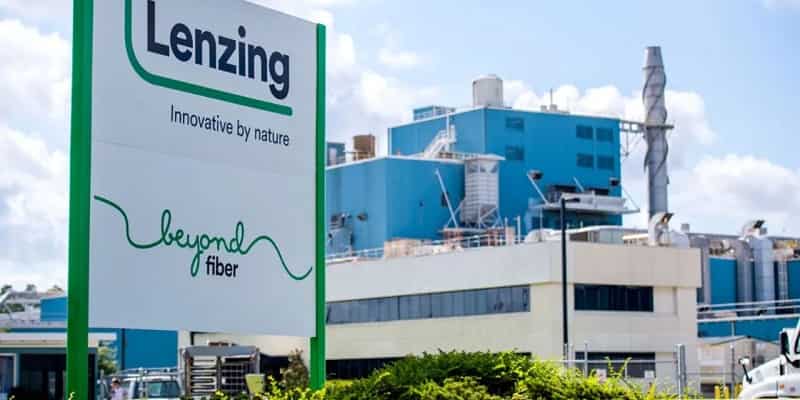
TENCEL Lyocell Modal: Lenzing’s Lower-Impact Fibers for Sustainable Textiles
TENCEL Lyocell Modal: why Lenzing’s wood-based fibers matter for lower-impact textiles
The textile industry is under growing pressure to reduce its environmental footprint without giving up comfort, durability or performance. In that context, Lenzing’s TENCEL™ Lyocell and TENCEL™ Modal fibers are gaining attention as wood-based regenerated cellulosic fibers designed for apparel, home textiles and other fabric applications.
The central promise is straightforward: these fibers aim to combine a soft, breathable feel with more responsible raw material sourcing and more resource-efficient production. According to Lenzing and the TENCEL™ brand, TENCEL™ Lyocell and Modal fibers are made from wood sourced from certified or controlled origins, following FSC® or PEFC-related sourcing standards and Lenzing’s Wood and Pulp Policy.
What are TENCEL™ Lyocell and TENCEL™ Modal fibers?
TENCEL™ is Lenzing’s premium textile fiber brand. It includes TENCEL™ Lyocell, TENCEL™ Modal and TENCEL™ Lyocell Filament, each designed for different textile needs.
TENCEL™ Lyocell is known for softness, moisture management and a production process that is widely associated with high solvent recovery. TENCEL™ Modal, meanwhile, is valued for its smooth hand feel, fabric softness and ability to retain comfort after repeated washing. Lenzing describes TENCEL™ Modal as a wood-based cellulosic fiber produced through a resource-efficient process with high chemical recovery rates.
For brands, mills and product developers, the distinction matters. Lyocell is often chosen for strength, fluid drape and moisture handling, while Modal is commonly used where long-lasting softness is a priority, such as underwear, loungewear, bed textiles and lightweight apparel. TENCEL Lyocell Modal
Lower-impact claims must be specific
Sustainability language in textiles can easily become vague. That is why the most useful claims are measurable and attributable.
Lenzing states that TENCEL™ Lyocell and Modal fibers are made with at least 50% lower carbon emissions and water consumption compared with generic lyocell and modal fibers. The company links these claims to life-cycle assessment standards and industry data systems.
This does not mean every garment made with TENCEL™ is automatically sustainable. The final impact also depends on dyeing, finishing, garment construction, transport, washing habits and end-of-life handling. But the fiber choice can still be an important starting point, especially for brands trying to reduce reliance on higher-impact materials.
Why the closed-loop process matters
One of the strongest sustainability arguments for TENCEL™ Lyocell is its closed-loop production approach. The TENCEL™ sustainability page says production is continuously refined to maximize resource efficiency and reduce environmental impact.
The supplied article also highlights a solvent recovery rate of 99.8% for the lyocell process, meaning the vast majority of the solvent is recovered and reused rather than discharged as waste. That point is important because regenerated cellulosic fibers can vary significantly in their environmental performance depending on how pulp is sourced and how chemicals are managed.
For readers, the practical takeaway is this: not all lyocell or modal is the same. Branded fibers with verified sourcing, traceability systems and recognized certifications provide more transparency than generic claims about “natural” or “eco-friendly” fabrics.
Comfort is part of the sustainability equation
A lower-impact fiber still needs to perform well. If a garment loses shape, feels uncomfortable or wears out quickly, its real-world sustainability value decreases.
TENCEL™ Lyocell and Modal fibers are promoted for softness, moisture management and comfort against the skin. TENCEL™ Modal is particularly associated with lasting softness through repeated washing and drying cycles, while Lyocell is often used where a smooth feel, drape and moisture control are required.
This makes the fibers relevant not only for fashion collections but also for categories where touch and wearability are central: intimate apparel, active-inspired garments, bedding, shirts, dresses and premium casualwear.
Certifications help buyers verify claims
For brands and consumers, certifications are useful because they reduce dependence on marketing language alone.
Lenzing states that TENCEL™ Lyocell and Modal fibers are sourced from certified or controlled wood sources and that relevant fibers carry certifications such as OEKO-TEX® STANDARD 100. The TENCEL™ fiber page also references FSC® and PEFC-related sourcing as part of its responsible raw material framework.
The supplied article also notes EU Ecolabel certification, OEKO-TEX® STANDARD 100 Class I testing for harmful substances, and management standards including ISO 9001, ISO 14001 and ISO 45001. These details strengthen the article’s credibility because they connect sustainability claims to recognized third-party frameworks rather than relying only on broad brand positioning.
Traceability is becoming more important
The textile supply chain is complex. Fibers may pass through spinning, knitting, weaving, dyeing, finishing, garment production and distribution before reaching consumers. That complexity makes traceability essential.
TENCEL™ says its Lyocell and Modal fibers are identifiable through fiber identification technology, allowing authenticity to be checked through processing stages and even in final textile products.
This is especially relevant as regulators, retailers and consumers demand stronger evidence behind sustainability claims. For manufacturers, traceable fibers can help support compliance, sourcing documentation and product storytelling.
A useful material, not a complete solution
TENCEL™ Lyocell and Modal fibers should be understood as part of a broader sustainability strategy, not a one-step solution.
They can help brands improve fiber sourcing, reduce certain production impacts and offer comfort-led products with better traceability. However, sustainable textile design also requires responsible dyeing and finishing, durable construction, transparent supply chains, reduced overproduction and better recycling or end-of-life systems.
That balanced message matters for Google search quality and reader trust. Overclaiming can look like greenwashing. A more accurate position is that TENCEL™ Lyocell and Modal fibers offer lower-impact advantages compared with generic alternatives, supported by wood-based sourcing, resource-efficient production and recognized certifications.
Why this matters for the textile value chain
Recent textile coverage continues to frame TENCEL™ Lyocell and Modal as examples of how renewable raw materials, certified sourcing and performance properties can work together in commercial fabrics. Fibre2Fashion’s recent article concluded that the fibers combine comfort, durability and lower environmental impact for apparel and home textile applications.
That combination explains why Lenzing keeps positioning TENCEL™ as a material platform for brands seeking both sustainability credentials and premium fabric performance. As buyers become more careful about environmental claims, fibers with clearer sourcing, measurable impact data and recognized certifications are likely to remain important in responsible textile development.
Key facts at a glance
TENCEL™ Lyocell and Modal are regenerated cellulosic fibers made from wood-based raw materials.
The wood is sourced from certified or controlled origins under FSC® or PEFC-related frameworks.
Lenzing says these fibers are made with at least 50% lower carbon emissions and water consumption compared with generic lyocell and modal fibers.
TENCEL™ Lyocell is associated with a closed-loop process and high solvent recovery.
TENCEL™ Modal is designed for long-lasting softness and comfort after repeated washing.
Relevant certifications include OEKO-TEX® STANDARD 100, and the supplied source also reports EU Ecolabel recognition.
Fiber identification technology supports traceability through the textile supply chain.
Bottom line
TENCEL™ Lyocell and TENCEL™ Modal fibers offer a practical route for textile brands seeking softer, more comfortable and lower-impact materials. Their strongest advantages are not just that they come from wood, but that they combine responsible sourcing, resource-efficient manufacturing, certification, traceability and fabric performance.
For a fashion and textile industry facing tighter scrutiny, that combination is increasingly valuable.
More…