US-Iran War Oil Shock: Brent at $99/B and WTI at $88/B as Markets Weigh Gulf Supply Risks
US Iran War Oil Shock: Brent at $99/B and WTI at $88/B as Markets Weigh Gulf Supply Risks
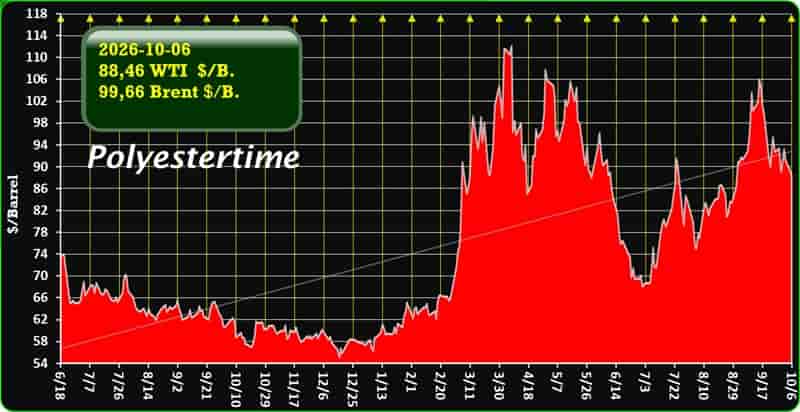
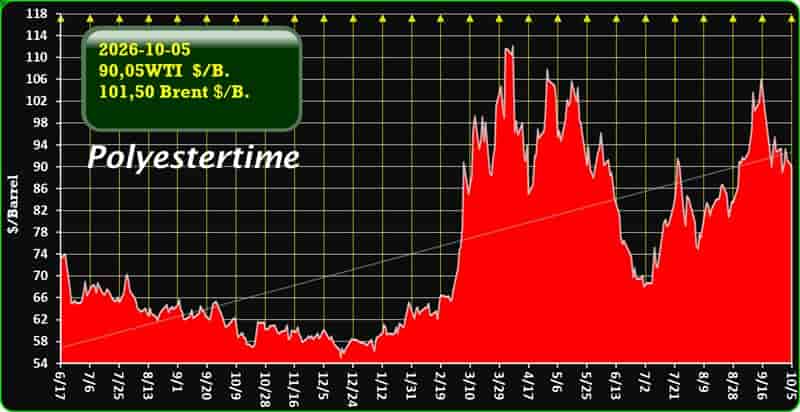
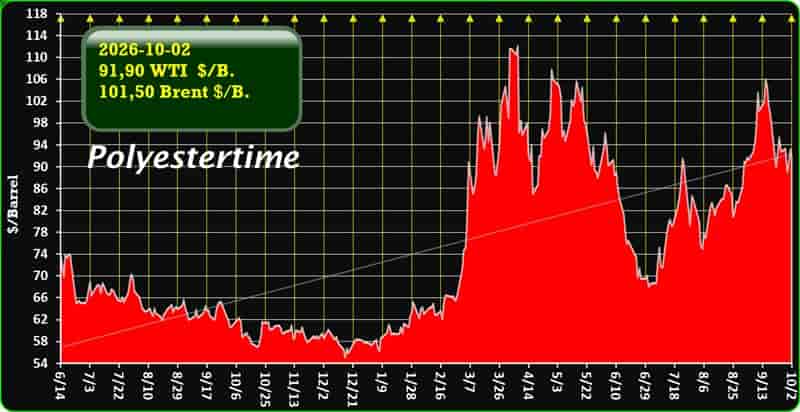
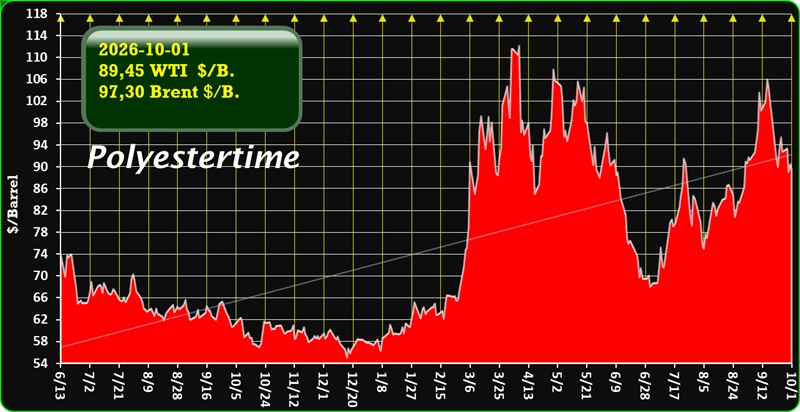
Global energy markets remain caught in a delicate tug-of-war as crude prices hover near triple-digit territory. International benchmark Brent crude trades near $99 per barrel, while West Texas Intermediate (WTI) sits around $88 per barrel. This price backdrop reflects a volatile geopolitical landscape dominated by the ongoing US-Iran conflict, security threats across critical transit routes like the Strait of Hormuz, and emergency intervention by major economies. US Iran war oil
Although oil flows from Persian Gulf exporters have shown resilient signs of recovery toward pre-conflict baseline levels, persistent military exchanges and maritime risks maintain a geopolitical risk premium. For energy traders, central banks, and industrial consumers worldwide, understanding how the US-Iran war drives oil dynamics is essential to navigating broader macroeconomic stability.
Understanding Current Benchmarks: Brent at $99/B vs. WTI at $88/B
The spread between Brent crude and WTI highlights distinct regional dynamics during geopolitical crises. Brent, the international crude benchmark, absorbs immediate supply disruptions originating in the Middle East and European energy channels. Trading near $99 per barrel, Brent reflects high freight costs, elevated marine insurance premiums, and transit delays around key choke points like the Strait of Hormuz and the Bab-el-Mandeb Strait. US Iran war oil
WTI, traded out of Cushing, Oklahoma, remains closer to $88 per barrel. While U.S. crude prices follow global trends, domestic production capacity in the Permian Basin and strong North American inventory levels provide a modest buffer. However, the wide spread indicates that physical delivery risks remain heavily concentrated in international marine logistics rather than domestic Western Hemisphere supply.
| Benchmark Crude | Trading Level ($/B) | Primary Market Drivers |
| Brent Crude | ~$99.00 | Middle East transit risk, Strait of Hormuz insurance fees, European import demand |
| WTI Crude | ~$88.00 | U.S. domestic supply cushions, Cushing inventory, North American pipeline infrastructure |
The US-Iran Conflict and Choke Point Vulnerabilities
At the center of current market anxieties is the escalation between military forces in the Persian Gulf and Red Sea corridors. The Strait of Hormuz handles roughly one-fifth of global petroleum consumption, making it the world’s most critical oil transit route. Intermittent drone strikes, vessel seizures, and missile engagements have forced commercial maritime operators to re-route tankers or accept surging protection expenses. US Iran war oil
Concurrently, regional spillover into the Red Sea involving Iran-aligned Houthi forces continues to complicate cargo transit through the Suez Canal. Vessels forced to clear Africa via the Cape of Good Hope add up to 14 days to journey schedules, tying up maritime tanker capacity and adding significant bunker fuel overhead. These logistical constraints effectively reduce global available crude supply even when production volumes at wellheads remain stable. US Iran war oil
While diplomatic channels remain open periodically through third-party intermediaries, market participants remain cautious. Energy analysts stress that any sudden direct strike on critical oil refining or export infrastructure could immediately send crude prices well beyond current $100 resistance levels. US Iran war oil
Supply Recoveries, SPR Releases, and OPEC+ Responses
Despite headline military risks, several structural factors have prevented crude oil from surging far above $110 per barrel. First, major Gulf producers have demonstrated technical agility in bypassing disrupted local lanes. Tracking data shows Middle Eastern export volumes rebounding toward 17.5 million barrels per day, reaching near 98% of pre-conflict baselines through alternative pipelines and convoyed tanker sailings. US Iran war oil
Second, major energy-consuming nations have taken coordinated action. The G7 nations recently authorized a joint emergency release of 100 million barrels of crude and refined products from Strategic Petroleum Reserves (SPR). This liquidity injection has successfully reassured short-term commercial buyers and capped speculative price run-ups.
Third, OPEC+ policy has remained steady. During recent ministerial consultations, the cartel opted to hold output quotas steady, striking a balance between protecting revenue margins and avoiding severe global demand destruction. Meanwhile, state energy companies, such as Saudi Aramco, have adjusted official selling prices to stay competitive for key Asian buyers, easing immediate physical tightness.
Macroeconomic Consequences: Inflation and Central Bank Dilemmas
Elevated energy costs directly compound global economic pressures. Oil prices sustained near $99/B feed immediately into transportation fuel, logistics, manufacturing input costs, and consumer utility expenses. Retail gasoline and diesel price surges across Europe and the Americas threaten to reignite consumer price index (CPI) figures, complicating monetary policy for major central banks.
If oil prices remain high throughout the final quarter, central bankers may be forced to delay scheduled interest rate cuts or re-evaluate tightening policies. Higher borrowing costs combined with elevated energy bills increase the risk of stagflation—a combination of sluggish economic growth and persistent price inflation. Industrial sectors dependent on petro-chemical feedstocks face reduced margins, while airlines and shipping lines pass surcharges directly onto end consumers. US Iran war oil
Market Outlook and Key Factors to Watch
As energy markets navigate the US-Iran war, short-term price movements will depend on three major factors:
-
Maritime Security in Hormuz: Whether tanker convoys and naval escorts can maintain consistent crude shipments without major target strikes.
-
Diplomatic Developments: Progress toward verifiable ceasefire terms or de-escalation protocols in regional proxy zones.
-
Strategic Reserve Depletion: The duration and rate at which G7 and IEA nations release emergency stockpiles to offset physical shortfalls.
For financial managers, energy procurement specialists, and consumers, the current market calls for cautious hedging and strict risk management. While crude supplies are moving, geopolitical risks remain high, keeping oil prices volatile.
US Iran Oil Prices Surge: Brent Hits $102 as Strait of Hormuz Risks Escalate
More….