US Iran War Oil Prices: How Escalating Geopolitical Risk Is Reshaping Global Energy Markets
US Iran War Oil Prices
US-Iran War Oil Prices: How Escalating Geopolitical Risk Is Reshaping Global Energy Markets
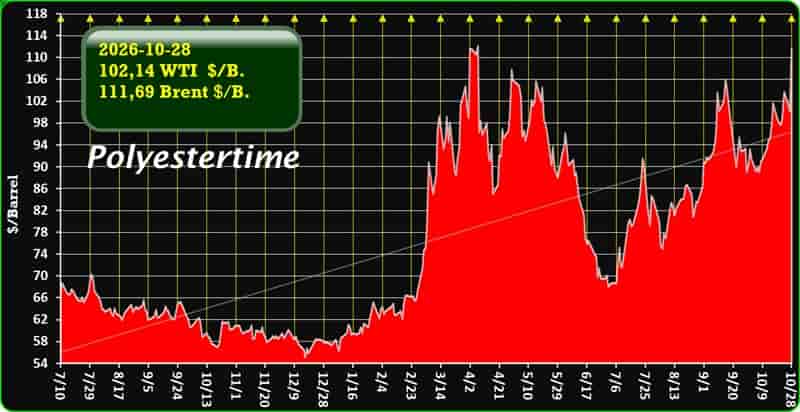
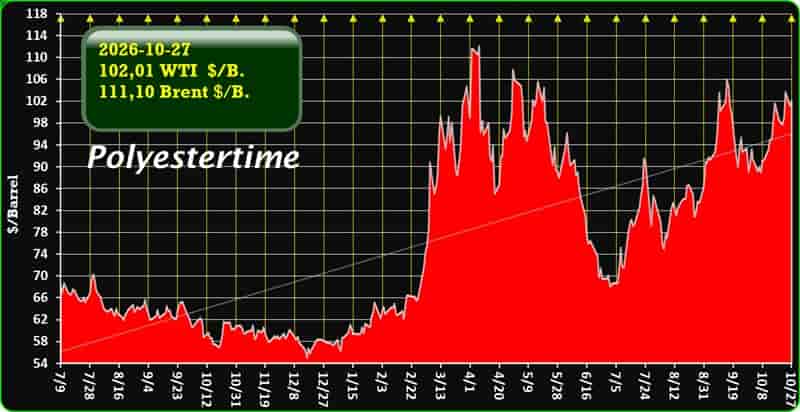
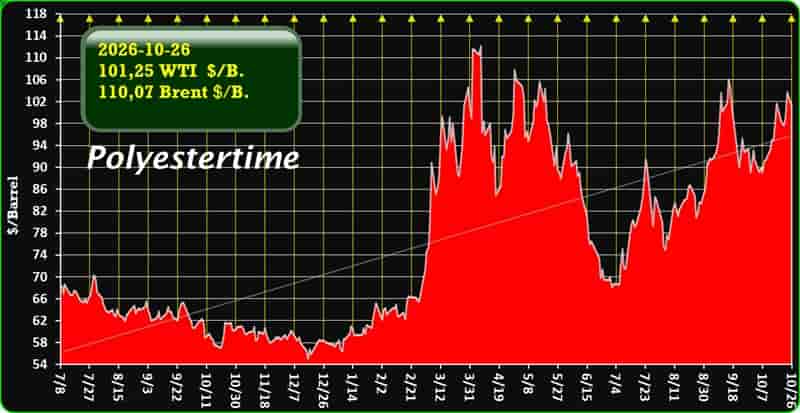
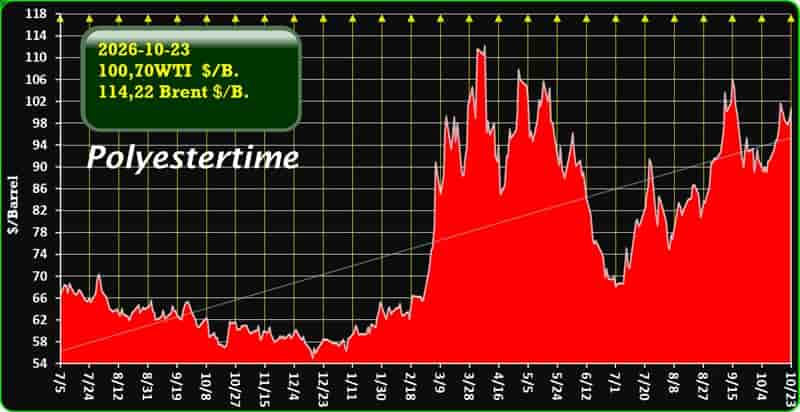
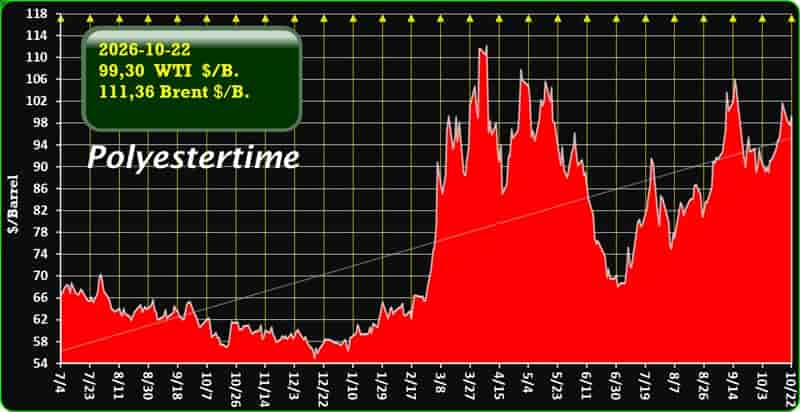
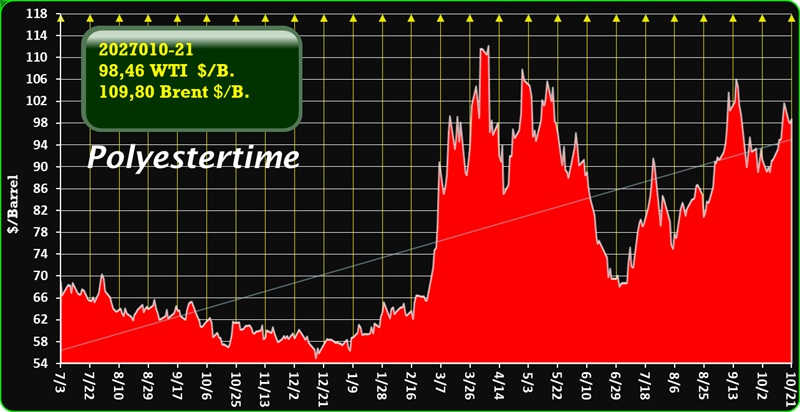
Global energy markets remain on edge as the ongoing military and geopolitical confrontation involving the United States, Israel, and Iran keeps crude benchmarks at elevated levels. The price of international benchmark Brent crude is currently fluctuating around $112 per barrel, while the American standard, West Texas Intermediate (WTI), trades nearby at $102 per barrel. This stark price differential highlights the unique regional supply threats hanging over international trade routes relative to domestic US energy fundamentals. US Iran War Oil Prices
Investors, policymakers, and consumers worldwide are closely watching how diplomatic maneuvers, transit disruptions through critical maritime chokepoints, and refinery supply chains interact to dictate fuel costs in the coming months. US Iran War Oil Prices
The Geopolitical War Premium on Crude Benchmarks
The core driver behind current market volatility is the war premium attached to physical crude cargoes. Ongoing military engagements, naval strikes near the Persian Gulf, and secondary attacks targeted at regional energy infrastructure have injected severe operational uncertainty into global shipping. US Iran War Oil Prices
The widened spread between Brent and WTI reflects these geography-bound risks. Because Brent represents seaborne crude bound for European and Asian markets, it bears the direct brunt of maritime security threats across the Strait of Hormuz and the Red Sea. In contrast, WTI benefits from domestic production buffers inside North America and isolated pipeline networks, insulating it slightly from immediate maritime interdictions. US Iran War Oil Prices
Supply Chain Disruption: The Strait of Hormuz and Bypass Routes
A primary catalyst sustaining elevated prices is reduced physical throughput along primary shipping lanes. Historical flow through the Strait of Hormuz—normally exceeding 17 million barrels per day—has faced consistent operational constraints. Recent shipping data indicates that transit volumes through Hormuz have hovered around half of pre-war levels, forcing commercial tankers to take longer transit routes or wait for military escorts. US Iran War Oil Prices
To offset these delays, producers have turned heavily toward onshore pipeline networks, such as Saudi Arabia’s East-West Pipeline terminating at the Red Sea. While pipeline bypasses have helped maintain total Middle Eastern export volumes near 16.7 million barrels per day, high freight rates, increased hull insurance premiums, and localized security risks continue to keep spot oil prices supported above key psychological levels. US Iran War Oil Prices
Diplomatic Negotiations vs. Structural Inventory Deficits
Recent diplomatic discussions hosted in regional hubs involving delegates from Saudi Arabia, Turkey, Pakistan, and Iranian officials have periodically cooled market panic, prompting short-term pullbacks in Brent crude futures. However, energy analysts emphasize that geopolitical negotiations alone cannot immediately solve underlying physical inventory shortfalls.
According to data from international energy agencies, OECD distillate and gasoil inventories remain well below historic five-year averages. Global on-land petroleum stocks are hovering near multi-year lows. With high refinery utilization rates required to satisfy immediate consumer demand, commercial crude inventories lack the buffer needed to absorb sudden supply shocks. As a result, even minor spikes in regional tension trigger sharp upward price movements. US Iran War Oil Prices
Macroeconomic Consequences: Inflation and Central Bank Policy
Sustained oil prices above $100 per barrel pose serious challenges for the global economy. High energy costs directly inflate transportation fees, agricultural inputs, and manufacturing overhead, threatening to reignite stubborn consumer price index (CPI) pressures worldwide.
For central banks, persistent high crude prices complicate interest rate decisions. Policy makers face a delicate balancing act: keeping interest rates elevated to curb energy-driven inflation risks dampening broader economic growth, while premature rate cuts could trigger secondary inflationary spikes across retail energy and consumer goods markets. US Iran War Oil Prices
Global Energy Market Outlook
Looking ahead, energy market sentiment will hinge on three decisive factors:
-
Diplomatic Breakthroughs: Concrete agreements to de-escalate regional hostilities could swiftly eliminate the risk premium currently embedded in Brent crude prices.
-
Shipping Security: Restoring full commercial navigation through Persian Gulf and Red Sea chokepoints would ease shipping bottlenecks and reduce global freight insurance costs.
-
Inventory Restocking: Rebuilding commercial fuel and distillate reserves back toward historical averages will be critical to establishing long-term price stability into late 2026 and 2027.
Until these structural supply and security concerns are resolved, energy markets are expected to remain volatile, with Brent crude around $112/bbl and WTI near $102/bbl defining the current baseline for global energy valuation. US Iran War Oil Prices
US-Iran Conflict Sparks Energy Volatility: Brent Hits $112 and WTI Reaches $103
More…