US Iran Oil Market Dynamics: Why Brent Trades at $98 and WTI Holds at $90
US Iran Oil Market Dynamics: Why Brent Trades at $98 and WTI Holds at $90
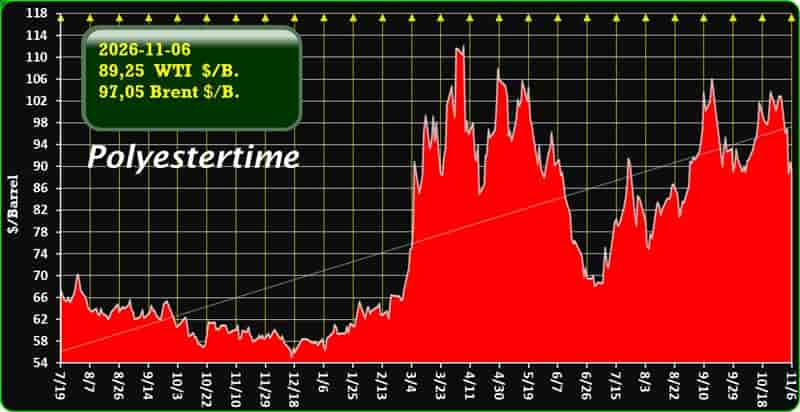
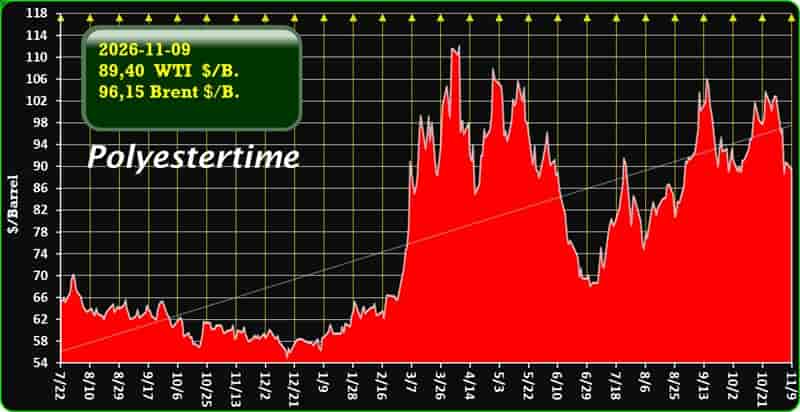
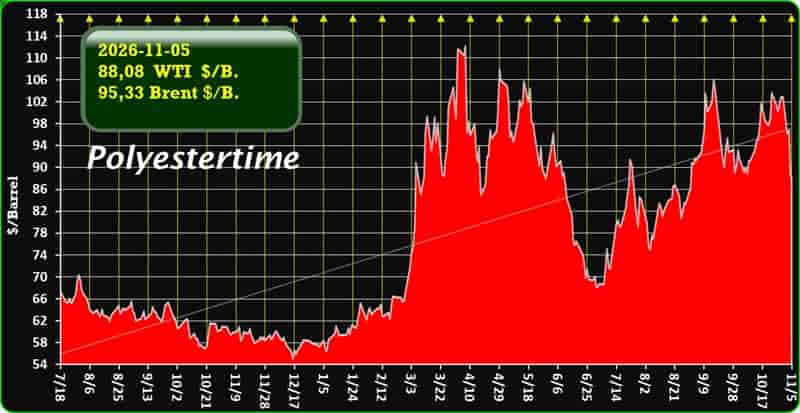
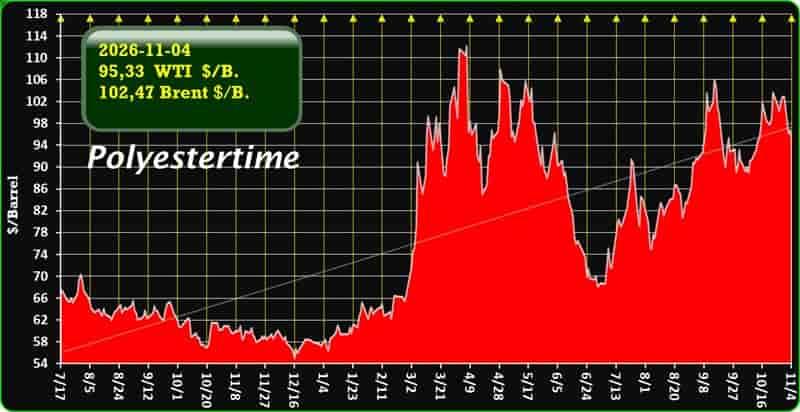
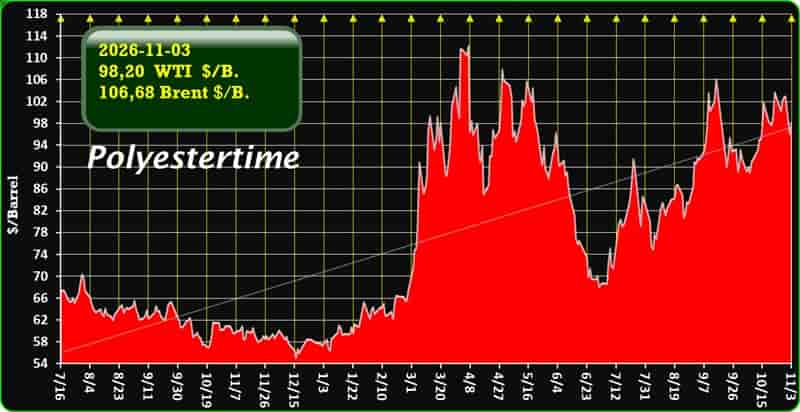
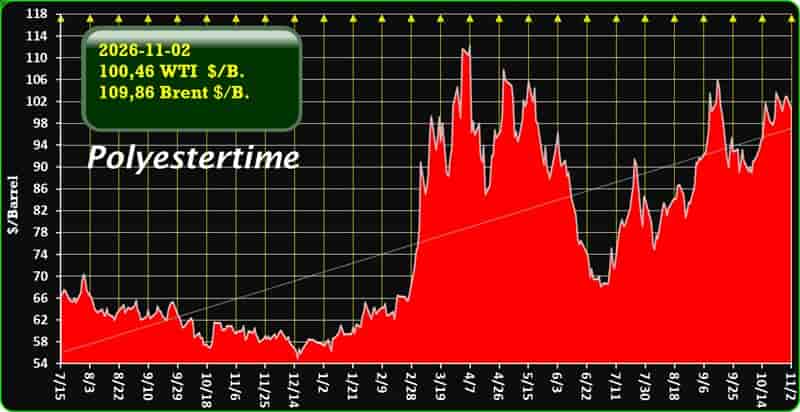
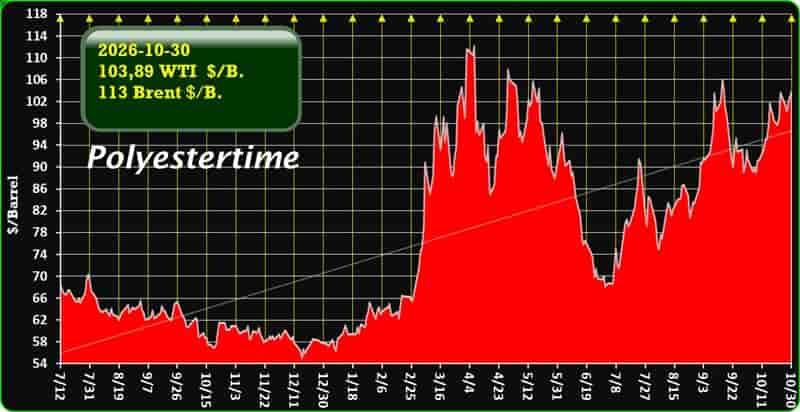
The global energy sector remains in a state of high tension as military developments, diplomatic signaling, and shifting supply lines collide in the Persian Gulf. International benchmark Brent crude currently trades around $98 per barrel, while West Texas Intermediate (WTI) holds near $90 per barrel.
These pricing levels reflect a complex market environment where traders are balancing structural geopolitics against early hopes of diplomatic de-escalation. Understanding how the US Iran oil market operates today requires examining physical supply routes, futures pricing, political developments, and global macroeconomic forecasts. US Iran oil market
1. Current Price Benchmarks: Brent at $98/B and WTI at $90/B
The price spread between Brent crude and WTI reflects distinct regional dynamics and transport economics. Brent serves as the primary gauge for international sea-borne crude, making it directly sensitive to maritime security in key chokepoints like the Strait of Hormuz. US Iran oil market
WTI, anchored in Cushing, Oklahoma, remains somewhat cushioned by domestic U.S. shale production. However, a $90/B baseline for WTI illustrates how domestic fuel markets inside the United States cannot entirely isolate themselves from international conflicts. The $8 spread between the two benchmarks highlights the elevated risk premium attached to Middle Eastern crude shipments.
2. Diplomatic Signals and Political Developments
Energy markets experienced dramatic volatility following recent political shifts and diplomatic discussions. Signals regarding potential back-channel mediation—facilitated in part by regional diplomatic actors such as Qatar—have led traders to reassess extreme supply disruption scenarios.
At the same time, domestic political changes in Washington have influenced market sentiment. Following the U.S. midterm elections, analysts have noted growing Congressional scrutiny regarding direct military engagements in the Middle East. Statements ruling out immediate escalation steps have provided temporary relief, causing oil prices to pull back from earlier multi-month highs.
3. Physical Supply Realities in the Strait of Hormuz
Despite fluctuations in futures trading, physical supply risks remain a central factor for energy analysts. The Strait of Hormuz handles roughly one-fifth of global petroleum consumption, making any naval movement or security threat in the waterway vital for global supply security. US Iran oil market
Key operational factors currently influencing the market include:
-
Maritime Insurance Rates: Insurance premiums for crude carriers operating in the Persian Gulf remain sharply elevated, adding direct costs to every delivered barrel.
-
Freight and Route Adjustments: Tankers are taking precautionary measures, with some vessels delaying transit or opting for longer alternative routes.
-
OPEC+ Production Decisions: Broader producer alliances continue to monitor market stability closely, managing production targets to balance supply availability against sudden demand shifts.
4. Economic Implications for Global Consumers and Refiners
Sustained crude prices around $98/B for Brent and $90/B for WTI exert noticeable pressure on the global economy. Energy costs act as an input tax across transportation, agriculture, manufacturing, and retail packaging.
Refiners worldwide face higher acquisition costs for heavy and medium crude grades typical of Middle Eastern fields. For consumers, these raw material price levels translate into persistent pressure at retail gas pumps and elevated jet fuel prices, keeping inflation figures a focal point for central banks. US Iran oil market US Iran oil market
5. Market Outlook: What Investors Are Watching
As the US Iran oil market navigates this critical juncture, financial analysts and energy traders are tracking several key catalysts to gauge the next directional move:
-
Official Peace & De-escalation Frameworks: Clarifications regarding diplomatic talks or draft proposals will determine whether risk premiums decline further or spike on temporary setbacks.
-
U.S. Strategic Petroleum Reserve (SPR) Policy: Any decisions by the U.S. Department of Energy to execute emergency crude releases could temporarily buffer domestic supplies.
-
Global Commercial Inventory Reports: Weekly inventory data from the Energy Information Administration (EIA) and international bodies will reveal how effectively refiners are adapting to supply chain shifts. US Iran oil market
Conclusion
The price alignment of Brent near $98/B and WTI near $90/B demonstrates a market seeking equilibrium between lingering security risks and emerging diplomatic dialogue. While preliminary talks have eased fears of immediate global supply shocks, physical logistics and elevated maritime risk retain a substantial premium in international oil trading. US Iran oil market
US Iran War and Oil Prices: Why Brent Hits $95 and WTI Trades at $88
More…