US Iran War Oil Prices: Why Brent Holds Near $92 and WTI Around $83
US Iran War Oil Prices: Why Brent Holds Near $92 and WTI Around $83
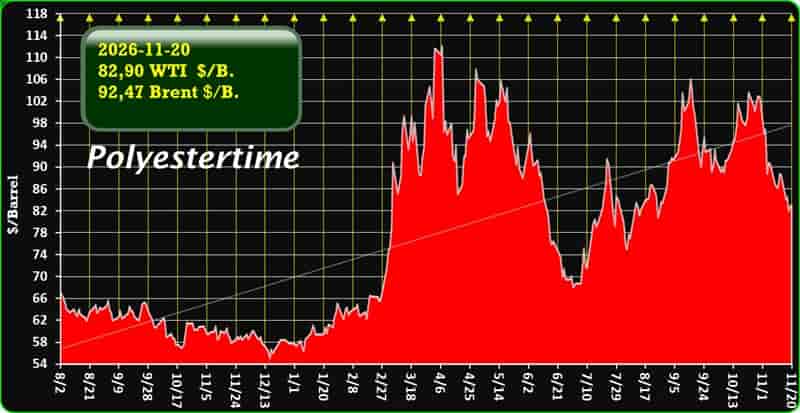
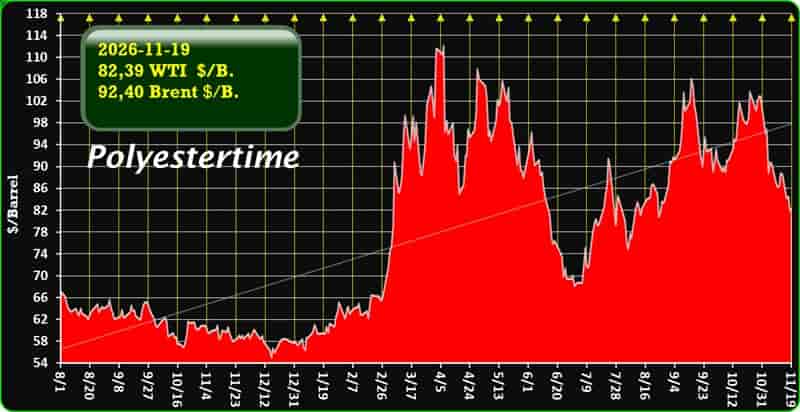
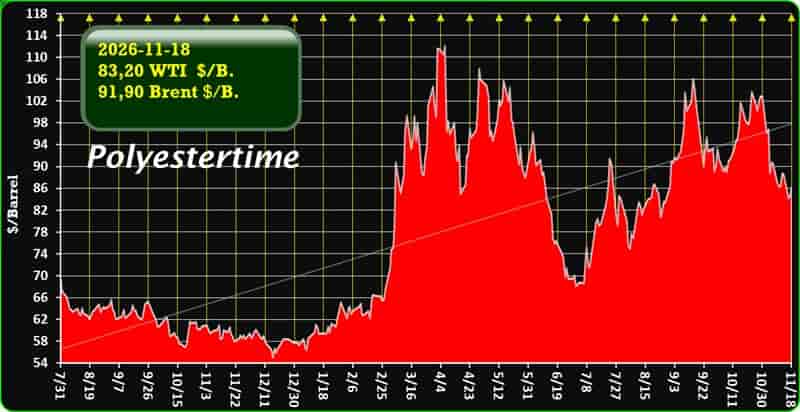
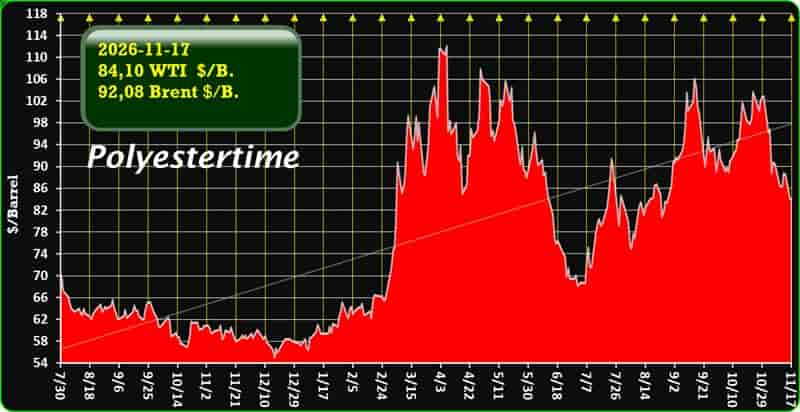
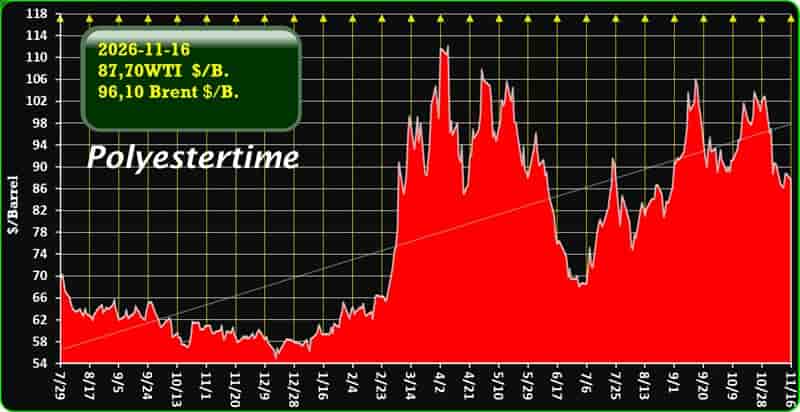
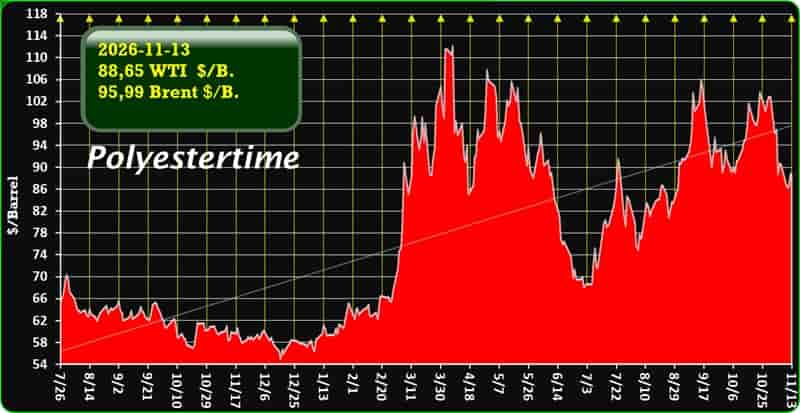
Global energy markets are caught in a fierce tug-of-war between escalating geopolitical conflict and softening supply-demand fundamentals. Nearly nine months after the outbreak of hostilities in late February 2026, the trajectory of US Iran war oil prices has entered a volatile new phase. Despite ongoing military friction and persistent threats to maritime shipping, international benchmark Brent crude has pulled back from its October highs above $110 per barrel to trade near $92 per barrel, while U.S. West Texas Intermediate (WTI) hovers around $83 per barrel.
For investors, energy analysts, and consumers alike, understanding why crude prices have cooled—even as war drums continue to beat in the Middle East—requires examining both the battlefield realities in the Strait of Hormuz and the shifting balance of global oil supply. US Iran war oil
Market Snapshot: November 2026 Crude Benchmarks
As of late November 2026, oil futures have registered their third consecutive weekly decline, erasing roughly 15% to 20% of the war risk premium accumulated during the autumn peak. The spread between Brent and WTI has widened to roughly $9 per barrel, reflecting Brent’s heightened sensitivity to international seaborne supply disruptions compared to landlocked U.S. crude. US Iran war oil
| Crude Benchmark | Current Price Range (USD/bbl) | October 2026 Peak | Primary Price Drivers |
| Brent Crude | ~$92.00 | >$110.00 | Middle East export recovery, Hormuz transit risks, IEA surplus outlook |
| WTI Crude | ~$83.00 | ~$98.50 | Rising U.S. crude inventories, strong U.S. dollar, domestic output |
Why Oil Prices Dropped Despite the US-Iran Conflict
At first glance, falling oil prices during an active conflict involving one of OPEC’s major producers seems counterintuitive. However, three concrete market forces are currently outweighing immediate geopolitical panic:
-
Recovering Middle Eastern Exports: According to recent shipping and energy reports, crude volumes transiting the strategic Strait of Hormuz have stabilized and rebounded toward pre-war baselines. U.S. Energy Secretary Chris Wright noted record volumes moving through regional corridors, easing fears of an imminent physical bottleneck.
-
A Looming Global Supply Surplus: In its November 2026 Oil Market Report, the International Energy Agency (IEA) warned that global oil supply—hovering near 105 million barrels per day—is outpacing demand. The agency projects a notable supply surplus emerging in the fourth quarter of 2026 and extending into 2027, driven by non-OPEC production growth and softer industrial demand in Asia.
-
Rising U.S. Stockpiles and a Stronger Dollar: Weekly data from the U.S. Energy Information Administration (EIA) and industry trackers show consecutive builds in American crude and gasoline inventories. Simultaneously, firmer U.S. inflation readings have pushed the U.S. Dollar Index higher, making dollar-denominated oil more expensive for international buyers. US Iran war oil
Geopolitical Flashpoints: The Strait of Hormuz and Strike Risks
While fundamentals are pulling prices down, geopolitical headlines continue to place a firm floor beneath the market. The standoff in the Strait of Hormuz remains tense, with sporadic attacks on commercial tankers and naval blockades keeping maritime insurance premiums elevated.
Furthermore, diplomatic uncertainty in Washington and Tel Aviv is injecting daily volatility into trading sessions. Reports indicate that Israeli leadership has urged the White House to consider a new round of joint military strikes targeting Iranian missile and drone infrastructure. While U.S. President Donald Trump has signaled caution and indicated he is in no immediate rush to authorize further large-scale escalation—amid domestic pressure to seek a diplomatic off-ramp—any sudden military action could rapidly reverse November’s sell-off. US Iran war oil
What Traders and Consumers Should Watch Next
Market analysts are divided on where crude heads entering the final month of 2026. Technical traders view the $90 per barrel mark as a critical psychological and structural support zone for Brent.
-
Escalation vs. Diplomacy: If Washington and Tehran move toward ceasefire negotiations or maintain the current military pause, oversupply fundamentals could push Brent below $90 and WTI toward the high $70s. Conversely, renewed strikes on regional energy infrastructure or a full closure of the Strait of Hormuz would likely send Brent surging back above $100 per barrel.
-
OPEC+ Production Policy: Producers face a delicate balancing act. With non-OPEC supply rising and war premiums fading, OPEC+ ministers will need to decide whether to delay planned output increases to defend the $90 price floor.
-
Global Economic Indicators: Upcoming central bank interest rate decisions and fourth-quarter manufacturing data from China and Europe will determine whether fuel demand can absorb the projected Q4 supply surplus. US Iran war oil
Frequently Asked Questions About US-Iran War Oil Prices
Why is Brent crude trading higher than WTI?Brent crude is the international benchmark for seaborne oil and is directly exposed to Middle Eastern supply routes and maritime risks in the Strait of Hormuz. WTI reflects U.S. domestic market conditions, where rising crude inventories and strong domestic production have exerted greater downward pressure on prices.
Could oil prices return to $100 per barrel? Yes. While current supply surpluses are keeping prices near $92, major financial institutions like Goldman Sachs and the U.S. EIA note that any direct disruption to Persian Gulf export terminals or renewed large-scale military strikes could quickly trigger a sharp rebound back toward $100 or higher.
How does the US-Iran conflict affect pump prices? Retail gasoline and diesel prices track global crude benchmarks with a short lag. The November pullback in Brent from $110 to $92 provides welcome relief for motorists and businesses, though elevated shipping insurance costs and refining margins keep fuel prices higher than pre-war levels. US Iran war oil
US-Iran Oil Prices: Navigating a Tug-of-War Between Hormuz Risks and Supply Buffers
More…