ExxonMobil’s Transformational Baytown Expansion Positions Advanced Recycling Capacity for Global Leadership by 2026, Accelerating Circular Economy Solutions and Large-Scale Plastic Waste Diversion 12-02-2026
Baytown Emerges as a Global Advanced Recycling Hub
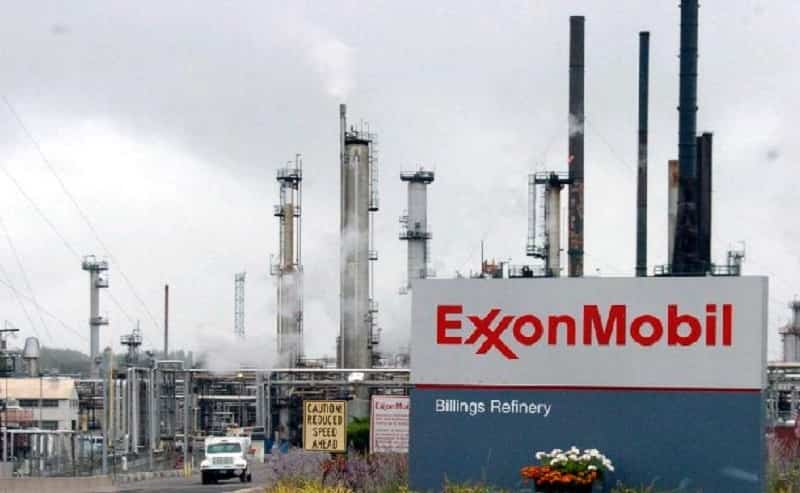
ExxonMobil has reached a major operational milestone with the startup of its third advanced recycling unit at the Baytown complex in Texas. The expansion reinforces the company’s strategy to significantly grow its advanced recycling capacity by 2026 while positioning Baytown as one of the largest advanced recycling operations in the world.
With this new unit online, the Baytown site can now process approximately 115,000 tonnes of plastic waste annually. This expansion is a key step toward ExxonMobil’s broader objective of reaching roughly 200,000 tonnes of advanced recycling capacity by 2026 across its global facilities.
Scaling Solutions for Hard-to-Recycle Plastics
Traditional mechanical recycling remains essential, but it struggles with complex, contaminated, or multi-layer plastics. Advanced recycling complements these systems by breaking down hard-to-recycle plastics into molecular feedstocks that can be reused in manufacturing.
The new unit strengthens Baytown’s role in delivering scalable solutions for plastic waste. Increasing advanced recycling capacity by 2026 allows the company to process plastics that would otherwise be landfilled or incinerated, transforming them into usable raw materials for new products.
By embedding advanced recycling units within existing petrochemical infrastructure, ExxonMobil accelerates deployment timelines, improves efficiency, and reduces capital intensity compared with building standalone facilities. This integration model is central to expanding advanced recycling capacity by 2026 at industrial scale.
From Waste to Feedstock
Advanced recycling works by converting plastic waste into hydrocarbon feedstocks that can re-enter the production chain. These feedstocks are used to manufacture new plastics, fuels, and other essential materials.
At Baytown, plastic waste is diverted from landfills and transformed into raw materials that support a more circular manufacturing system. The growth of advanced recycling capacity by 2026 reflects an industry-wide effort to close the loop and reduce dependency on virgin fossil-based inputs.
This approach also aligns with brand-owner commitments to increase recycled content in packaging and consumer goods. As demand for certified recycled content grows, reliable advanced recycling capacity by 2026 becomes increasingly important for supply chain resilience.
Baytown’s Strategic Importance
The Baytown complex is already one of the largest integrated refining and petrochemical sites in the United States. Expanding advanced recycling within this ecosystem allows ExxonMobil to leverage existing logistics, utilities, and technical expertise.
With 115,000 tonnes per year now operational at Baytown, the facility represents a substantial share of ExxonMobil’s targeted advanced recycling capacity by 2026. This scale positions the company among global leaders in advanced plastic waste conversion.
Industrial-scale deployment is critical. Smaller pilot projects demonstrate feasibility, but only large integrated sites can materially impact waste diversion volumes. By concentrating investments at Baytown, ExxonMobil accelerates progress toward its advanced recycling capacity by 2026 goal.
Policy Frameworks: A Decisive Factor
While technology and infrastructure are advancing, regulatory clarity remains a defining issue. ExxonMobil emphasizes that supportive, consistent policy frameworks are essential to unlocking full advanced recycling capacity by 2026.
The company advocates for federal legislation that would formally recognize advanced recycling as recycling under U.S. law. Clear standards for recycled content accounting and alignment across federal agencies would provide certainty to manufacturers, investors, and consumers.
Importantly, ExxonMobil states it is not seeking subsidies. Instead, it calls for regulatory consistency that acknowledges advanced recycling as a proven method for managing hard-to-recycle plastics. Stable policy signals could accelerate investment and ensure that planned advanced recycling capacity by 2026 is fully utilized.
Local and federal support has reinforced the Baytown expansion, including backing from municipal leadership and senior environmental officials. This alignment between industry and policymakers could prove decisive in scaling advanced recycling capacity by 2026 nationwide.
Environmental and Market Implications
The environmental rationale behind expanding advanced recycling capacity by 2026 centers on landfill diversion and resource efficiency. By recovering value from plastics previously considered non-recyclable, advanced recycling contributes to circular economy objectives.
However, long-term impact will depend on transparent lifecycle assessments, clear mass-balance accounting standards, and sustained market demand for recycled-content materials. As corporate sustainability commitments tighten, the availability of certified recycled feedstock will directly influence purchasing decisions.
If regulatory recognition and market incentives align, advanced recycling capacity by 2026 could help stabilize supply chains, reduce waste leakage, and support domestic manufacturing.
Looking Ahead to 2026
The operational launch of ExxonMobil’s third Baytown unit marks more than an incremental capacity increase. It represents a structural move toward scaling advanced recycling at industrial levels.
By the end of 2026, ExxonMobil aims to reach approximately 200,000 tonnes per year of global advanced recycling capacity by 2026. Achieving that milestone would significantly expand the availability of recycled feedstocks for high-performance plastics and essential materials.
Baytown is likely to remain central to this strategy. As one of the largest integrated energy and chemical complexes globally, it provides a blueprint for how advanced recycling can be embedded within existing industrial systems.
Why This Matters for the Circular Economy
For the circular economy to function effectively, recycling technologies must address the full spectrum of plastic waste. Mechanical recycling alone cannot manage all material streams. Advanced recycling fills critical gaps, particularly for flexible packaging and mixed plastics.
Expanding advanced recycling capacity by 2026 offers a pathway to capture these materials at scale. When paired with strong collection systems and verified content standards, advanced recycling can become a structural pillar of waste management strategy.
The coming years will determine whether supportive policies, technological innovation, and market demand converge effectively. If they do, Baytown’s expansion could stand as a defining milestone in the evolution of advanced recycling.
More…