Antistatic ABS resin – Toray’s Breakthrough Highly Antistatic ABS Resin Strengthens Semiconductor Manufacturing Reliability, Design Flexibility, Yield Protection, And Process Safety For Next Generation Electronic Components 15-12-2025
Antistatic ABS resin
Toray Advances Antistatic Materials for Semiconductor Manufacturing
The semiconductor and electronics industries are entering a new phase of precision manufacturing, where materials performance directly affects yield, reliability, and product quality. In response to these demands, Toray Industries has developed a highly antistatic ABS resin engineered specifically for semiconductor and electronic component processes. This innovation addresses the growing challenge of static electricity in ultra-clean, highly sensitive manufacturing environments. antistatic ABS resin
Highly antistatic ABS resin plays a critical role in trays, cases, and handling equipment used throughout semiconductor fabrication. By minimizing static buildup, these materials help protect delicate components from dust contamination and electrostatic discharge, both of which can compromise performance and reduce manufacturing yields.
Why Static Control Is Critical in Modern Semiconductor Processes
As semiconductor devices continue to shrink and become more densely integrated, their vulnerability to static electricity increases significantly. Even minute electrostatic charges can damage circuits, introduce latent defects, or attract airborne particles that compromise cleanroom conditions. antistatic ABS resin
This reality is driving strong demand for highly antistatic ABS resin in manufacturing processes. Equipment used to transport, store, and handle components must consistently dissipate static electricity without degrading over time. The new solution developed by Toray directly responds to this need, supporting higher reliability and more stable production environments.
Key Performance Improvement in Highly Antistatic ABS Resin
One of the most notable features of Toray’s new highly antistatic ABS resin is its surface resistivity. The material achieves a surface resistivity of 10⁹ ohms per square, which is approximately one-fifth that of conventional ABS resin grades. Lower surface resistivity enables faster and more efficient dissipation of static charges across material surfaces. antistatic ABS resin
For semiconductor manufacturers, this translates into reduced risk of electrostatic damage and fewer defects caused by dust attraction. The result is improved yield stability and greater confidence in handling sensitive electronic components during every stage of production.
Addressing the Limits of Conventional Antistatic Solutions
Traditional antistatic ABS resin often relies on conductive fillers such as carbon black or carbon fibers. While effective at reducing resistivity, these fillers can introduce several limitations. antistatic ABS resin
Molded parts may lose transparency, show uneven surface appearance, or restrict color options. In facilities where visual inspection, cleanliness, and color coding are essential, these drawbacks become significant.
Toray’s approach to highly antistatic ABS resin avoids many of these issues. By moving beyond heavy reliance on conductive fillers, the new material maintains better aesthetics, improved surface quality, and greater flexibility in design and coloration. This balance between performance and appearance is increasingly important in advanced semiconductor manufacturing environments.
Continuous Polymer Network Technology Explained
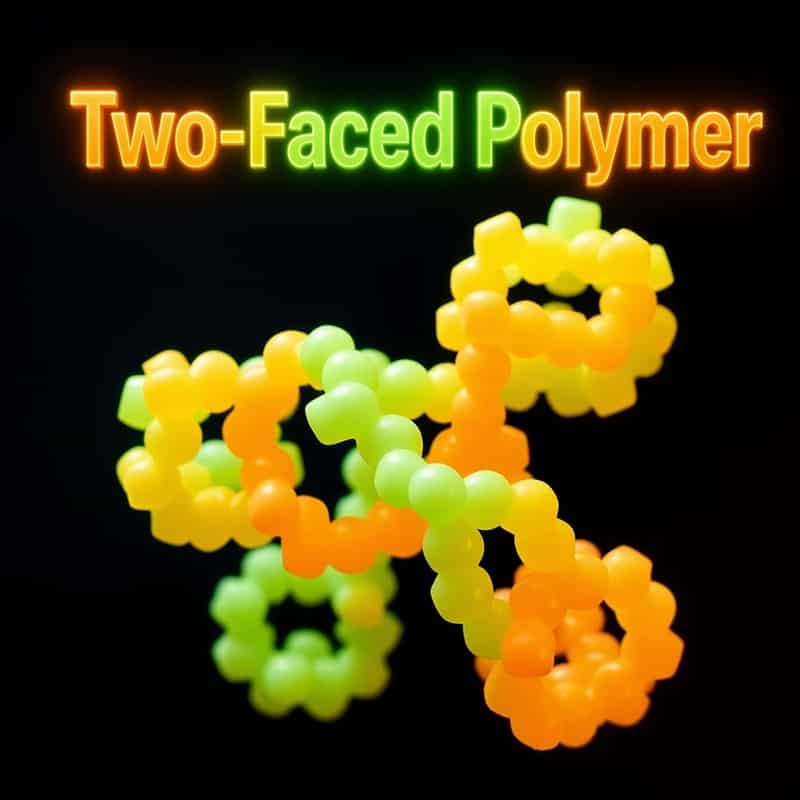
The durability of antistatic performance is just as important as initial conductivity. Over time, some antistatic treatments can degrade due to desorption, peeling, or uneven distribution of additives. Toray addresses this challenge by using a continuous-layer network formed by an antistatic polymer alloy within the ABS resin. antistatic ABS resin
This continuous polymer network creates stable pathways for static dissipation throughout the material. Unlike surface treatments or migratory additives, the network structure ensures long-term reliability, even after repeated use, cleaning, or exposure to controlled manufacturing conditions. This technology is a defining feature of the TOYOLACPAREL family of highly antistatic ABS resin solutions.
Improved Molecular Design and Micro-Scale Control
The enhanced performance of Toray’s highly antistatic ABS resin is the result of refined molecular design and precise micro-scale control of the polymer structure. Proprietary polymer alloy technology allows Toray to optimize how the antistatic polymer network forms and functions within the ABS matrix. antistatic ABS resin
This level of control not only improves surface resistivity but also ensures consistency across molded parts. Manufacturers benefit from predictable performance, uniform quality, and reduced variation between production batches. These characteristics are essential in semiconductor manufacturing, where even small inconsistencies can have outsized effects.
Expanding Design Freedom for Manufacturers
Beyond performance, the new highly antistatic ABS resin supports modern design requirements. Semiconductor facilities increasingly rely on transparent cases for visual monitoring and color-coded components for process organization and safety. Materials must meet these aesthetic needs without compromising antistatic functionality.
Toray’s solution enables greater freedom in part design, offering improved clarity, smoother finishes, and flexible coloration options. This makes the resin suitable not only for functional handling equipment but also for components where appearance and usability matter.
Supporting a Wider Range of Applications
The semiconductor industry continues to diversify, with growth in advanced packaging, power electronics, and high-performance computing. Each application places unique demands on materials used in production environments. Highly antistatic ABS resin must adapt to these evolving requirements.
Toray’s expanded TOYOLACPAREL lineup is designed to support a broader range of applications while meeting increasingly stringent antistatic standards. This adaptability ensures that manufacturers can standardize materials across multiple processes without sacrificing performance.
Industry Engagement and Future Development
Toray plans to showcase the new highly antistatic ABS resin at SEMICON Japan 2025, one of the most important global events for the semiconductor industry. Exhibiting at this event highlights Toray’s commitment to collaboration, transparency, and continuous innovation.
Looking ahead, Toray will continue research and development efforts to further refine antistatic materials. By leveraging its core strengths in synthetic organic chemistry, polymer chemistry, biotechnology, and nanotechnology, the company aims to deliver new value to customers while contributing to technological and social progress.
Conclusion: A Strategic Step Forward in Antistatic Materials
The development of this highly antistatic ABS resin marks a significant step forward for semiconductor and electronic component manufacturing. By combining low surface resistivity, durable antistatic performance, and enhanced design flexibility, Toray addresses the most pressing challenges facing modern production environments.
As semiconductor technologies advance and tolerance for defects continues to shrink, materials like highly antistatic ABS resin will remain essential. Toray’s innovation demonstrates how targeted material science can directly support reliability, yield protection, and long-term manufacturing success.
More…