Bio based polyethylene – Braskem’s Thailand Bio-Ethylene Expansion Signals a Major Win for Sustainable Plastics in Asia While Redefining the Global Bio-Polymer Supply Chain 06-01-2026
Bio based polyethylene
Braskem Strengthens Bio-Based Plastics Leadership in Asia
The global transition toward sustainable materials continues to accelerate, and bio-based plastics are emerging as a key solution for reducing dependence on fossil resources. Braskem, a leading global biopolymer producer, has taken a significant step forward by securing a renewable ethanol supply for its upcoming bio-ethylene plant in Thailand. This move reinforces the company’s long-term commitment to sustainable plastics while expanding the reach of bio-based polyethylene across Asia.
Through its joint venture Braskem Siam, the company has signed a Letter of Intent to purchase ethanol from Mitr Phol Bio Fuel, Thailand’s leading ethanol producer and a subsidiary of the Mitr Phol Group. bio based polyethylene
The agreement strengthens local supply chains, supports regional bio-economy development, and positions Thailand as a strategic hub for bio-based polymer production.
A Strategic Partnership Rooted in Sustainability
Mitr Phol Bio Fuel is widely recognized for its sustainability leadership across the entire ethanol production process, from responsible feedstock sourcing to efficient manufacturing practices. Its strong environmental and social governance standards align closely with Braskem’s sustainability objectives. bio based polyethylene
By securing ethanol from a trusted local supplier, Braskem Siam ensures a reliable and competitive feedstock supply for its bio-ethylene plant. At the same time, the partnership reinforces the development of Thailand’s ethanol value chain, benefiting farmers, processors, and downstream industries.
This collaboration reflects a broader trend in sustainable plastics production, where localized sourcing and transparent supply chains play a critical role in reducing environmental impact and improving resilience. bio based polyethylene
Thailand’s First Bio-Ethylene Plant Outside Brazil
The new bio-ethylene plant in Thailand represents a major milestone for Braskem. It will be the company’s first bio-ethylene facility outside Brazil and is expected to nearly double global production of I’m green™ bio-based polyethylene.
Thailand was selected for its strong ethanol production capacity, established agricultural infrastructure, and proximity to fast-growing markets for sustainable products across Asia. Demand for renewable materials is rising rapidly in packaging, consumer goods, automotive, and construction sectors, making regional production increasingly important.
By investing in Thailand, Braskem is positioning itself closer to customers while reducing transportation emissions and improving supply reliability for bio-based polyethylene in Asia. bio based polyethylene
Scaling Up Bio-Based Polyethylene Production
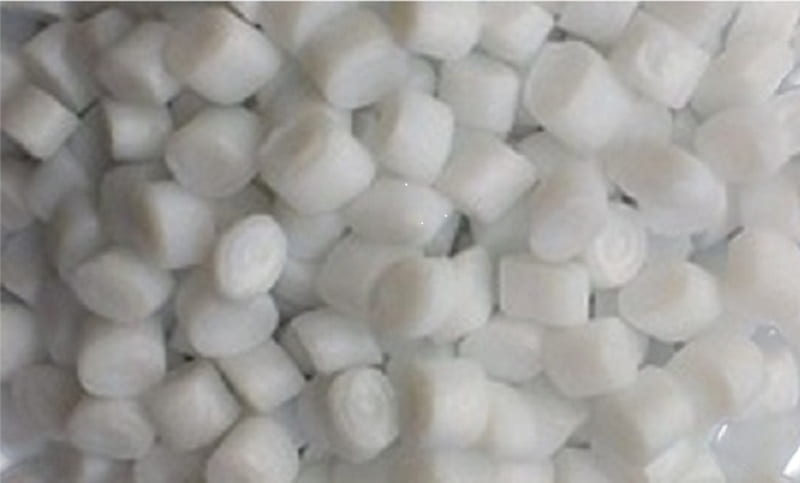
Bio-based polyethylene is chemically identical to conventional polyethylene but is produced using renewable ethanol instead of fossil-based naphtha. This allows manufacturers to reduce their carbon footprint without changing existing processing equipment or product performance.
The Thailand plant is expected to consume up to 450 million liters of ethanol per year, highlighting the scale of Braskem’s commitment to renewable feedstocks. Securing sufficient volumes of high-quality ethanol, both locally produced and imported when necessary, is essential for ensuring stable operations and long-term growth. bio based polyethylene
This expansion will significantly increase the availability of bio-based polyethylene in Asia, helping customers meet sustainability targets while maintaining material consistency.
Responsible Ethanol Sourcing as a Core Principle
Beyond supply volume, Braskem is placing strong emphasis on responsible sourcing. Supporting Braskem Siam, the company is working with local sustainability experts to implement its Responsible Ethanol Sourcing Program in Thailand.
This program is built on a rigorous 23-point certification framework designed to ensure best practices across environmental protection, labor standards, and ethical governance. It covers critical areas such as soil and water management, pesticide use, waste handling, worker rights, whistleblowing mechanisms, and the prohibition of child labor. bio based polyethylene
By applying the same high standards used in Brazil, Braskem ensures consistency and transparency throughout its global bio-based polyethylene supply chain.
How Bio-Based Polyethylene Reduces Carbon Emissions
One of the most compelling advantages of bio-based polyethylene is its ability to reduce greenhouse gas emissions. The ethanol used in production is derived from sugarcane, a renewable raw material that captures carbon dioxide from the atmosphere as it grows.
For every kilogram of bio-based polyethylene produced, approximately 2.12 kilograms of carbon dioxide are removed from the atmosphere. This carbon-negative characteristic makes bio-based polyethylene a powerful tool for climate mitigation when compared to conventional fossil-based plastics. bio based polyethylene
Despite these benefits, bio-based polyethylene currently represents only a small fraction of global plastic production. Estimates suggest that just 0.5 to 1 percent of the roughly 400 million tons of plastics produced annually are bio-based, underscoring the scale of opportunity for growth.
Meeting Growing Demand for Sustainable Plastics in Asia
Asia is one of the fastest-growing markets for plastics, driven by population growth, urbanization, and expanding consumer markets. At the same time, governments and companies across the region are setting ambitious sustainability goals.
By producing bio-ethylene locally, Braskem Siam can supply bio-based polyethylene with shorter lead times and a reduced environmental footprint. This regional presence strengthens customer relationships and supports the adoption of sustainable plastics in applications ranging from food packaging to durable consumer goods. bio based polyethylene
The Thailand facility also serves as a blueprint for how bio-based polymer production can be scaled responsibly in emerging markets.
Supporting a Circular and Renewable Plastics Economy
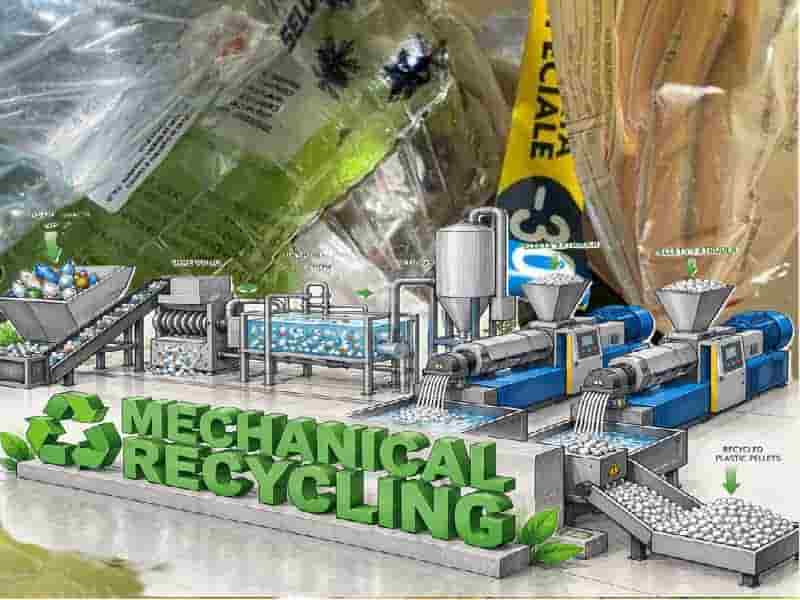
While bio-based polyethylene is not biodegradable, it is fully recyclable and compatible with existing recycling streams. This makes it a valuable component of a broader circular plastics economy that combines renewable feedstocks with recycling and reuse.
By replacing fossil-based raw materials with renewable ethanol, Braskem reduces dependence on finite resources while maintaining material performance. When combined with recycling initiatives, bio-based plastics can significantly lower the overall environmental impact of plastic products. bio based polyethylene
This dual approach of renewable sourcing and circularity is increasingly recognized as essential for long-term sustainability in the plastics industry.
Long-Term Implications for the Global Plastics Industry
Braskem’s expansion in Thailand highlights a broader shift within the plastics sector. Sustainability is no longer a niche concern but a strategic driver of investment, innovation, and competitive advantage.
Establishing bio-ethylene production outside Brazil demonstrates that bio-based plastics can be scaled globally when supported by strong partnerships, responsible sourcing, and favorable local conditions. It also signals confidence in the long-term demand for renewable materials. bio based polyethylene
As more companies seek low-carbon solutions, bio-based polyethylene is expected to play a growing role in reducing emissions across multiple industries.
A Clear Signal for the Future of Bio-Based Polymers
The ethanol supply agreement between Braskem Siam and Mitr Phol Bio Fuel represents more than a commercial transaction. It reflects a shared commitment to sustainability, regional development, and innovation in renewable materials.
With Asia’s first bio-ethylene plant outside Brazil, Braskem is setting a new benchmark for bio-based plastics production. The project demonstrates how strategic partnerships and responsible sourcing can accelerate the transition toward a more sustainable and resilient plastics industry. bio based polyethylene
More…