Bio-Circular Caprolactam – Malaysia Imposes Anti-Dumping Duties on PET Imports from China and Indonesia Effective from May 7, 2025, Malaysia enforces a five-year trade defense measure targeting low-priced PET imports from key Asian exporters 02-07-2025 - Archive
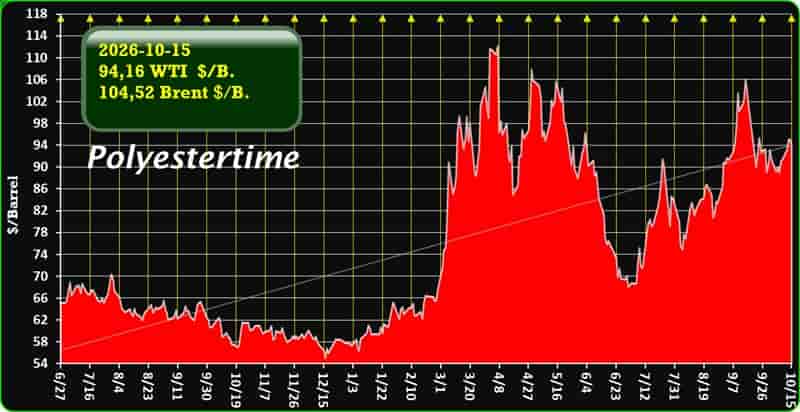
Crude Oil Prices Trend

?? Malaysia Imposes Anti-Dumping Duties on PET Imports from China and Indonesia
Effective from May 7, 2025, Malaysia enforces a five-year trade defense measure targeting low-priced PET imports from key Asian exporters.
What Are the New Duties?
Malaysia’s Ministry of Investment, Trade, and Industry (MITI) has officially announced the imposition of anti-dumping duties on polyethylene terephthalate (PET) resin imports originating from China and Indonesia. These duties range between 2.29% and 11.74% for Chinese exporters and a significantly higher 37.44% for Indonesian suppliers. Bio-Circular Caprolactam
The new tariff structure comes after a formal investigation into unfair trade practices, revealing that imported PET was being sold below its normal value, causing serious harm to local manufacturers.
Background: Why the Investigation Was Launched
The anti-dumping investigation was initiated on August 9, 2024, in response to petitions from domestic PET producers who were experiencing declining margins and market share due to low-cost foreign competition.
MITI’s investigation concluded that PET resin products from China and Indonesia were being “imported into Malaysia at a lower price than the selling price in the alleged countries,” thereby causing material injury to the local industry. Bio-Circular Caprolactam
Duration of the Measures
The anti-dumping duties will be in force for a five-year period, running from May 7, 2025 until May 6, 2030. During this period, all PET imports from the affected countries will be taxed accordingly at their respective rates.
This time frame allows the domestic PET industry to recover, adjust pricing structures, and regain a competitive position in the Malaysian market.
What Is Anti-Dumping Anyway?
Anti-dumping duties are a form of trade remedy used by governments to counteract unfair pricing practices by foreign exporters. When a product is exported at a price lower than its “normal value” in the country of origin, it is considered “dumped.”
Such practices can severely distort local markets, undercutting domestic manufacturers and sometimes forcing them out of business. Anti-dumping duties are intended to restore a level playing field. Bio-Circular Caprolactam
Global Context: Not Just Malaysia
This isn’t the first time PET resin from China has faced trade barriers. In April 2024, the European Union (EU) imposed anti-dumping duties ranging from 6.6% to 24.2% on PET imports from China.
The EU is also currently reviewing PET imports from Vietnam for potential anti-dumping measures, indicating a broader global concern over Asian PET pricing strategies and trade competitiveness.
The Impact on Malaysia’s Domestic Industry
Malaysia’s PET industry includes several key players producing PET resin for packaging, textile fibers, and bottle manufacturing. These manufacturers had raised alarms over unsustainable price undercutting, which was leading to reduced revenues, layoffs, and capacity underutilization.
With the new duties in place, local producers are expected to regain some pricing power and competitiveness, potentially encouraging reinvestment and job creation within the domestic sector. Bio-Circular Caprolactam
What This Means for Importers
Malaysian businesses that rely on imported PET—especially those in packaging, bottling, and manufacturing—will now face higher input costs. Companies will need to adjust procurement strategies and may begin to source from alternative suppliers or shift toward domestic procurement.
Importers will also need to ensure proper documentation and compliance with the new customs valuation and tax procedures to avoid penalties.
Long-Term Implications
In the long term, these anti-dumping measures may contribute to:
- Protection of domestic industries from unfair competition
- Stabilization of jobs within the local PET production sector
- Potential investments in PET manufacturing technology and capacity in Malaysia Bio-Circular Caprolactam
- Higher end-product prices for businesses and consumers relying on PET-based goods
However, policymakers will need to monitor market responses and ensure that protective measures do not inadvertently create inflationary pressures or supply bottlenecks.
Legal and Compliance Considerations
Importers must review the full documentation from MITI to ensure they understand:
- The applicable HS codes for PET products
- The specific exporter or manufacturer tariff rates
- The point of customs valuation and declaration
- The duration and renewal terms of the duties
It is highly recommended to work with customs brokers, trade lawyers, or compliance specialists to avoid any missteps.
Could These Duties Be Challenged?
Yes. Countries whose exporters are affected by the duties—particularly China and Indonesia—may choose to challenge Malaysia’s decision through the World Trade Organization (WTO) dispute settlement mechanism or through bilateral trade discussions. Bio-Circular Caprolactam
However, unless reversed or modified, the duties will remain in effect as legislated.
Final Thoughts
Malaysia’s decisive action highlights the increasing trend of using trade defense instruments to preserve economic stability and industrial sovereignty. For companies operating in the global supply chain, this reinforces the importance of vigilant compliance, flexible sourcing, and strategic planning.
With similar duties in place in the EU and more under review globally, the PET trade landscape is becoming more complex. Staying informed and proactive is now essential for survival in this evolving market. Bio-Circular Caprolactam
Avantium’s PET/PEF Bottle Gets Full Recyclability Validation from RecyClass
Avantium, a trailblazer in renewable and circular polymer materials, has achieved a significant milestone: its innovative PET/PEF multilayer bottle has been officially recognized as fully recyclable in the PET stream. This validation comes from RecyClass, a leading European non-profit organization focused on advancing plastic circularity.
This recognition opens the door for brand owners and packaging converters seeking sustainable, high-barrier packaging options that are compatible with existing recycling systems. Bio-Circular Caprolactam
A Big Win for Circular Packaging
RecyClass evaluated Avantium’s bottle technology using stringent testing protocols. The tests were conducted by PTI-Europe and Plastics Forming Enterprises, two respected names in the field of plastics testing.
The result? Avantium’s PET bottle, which includes 10% PEF (polyethylene furanoate) branded as Releaf® RP90N, was found to be fully compatible with the existing PET recycling infrastructure. This is a significant breakthrough, especially considering that many existing multilayer PET bottles use nylon as a barrier layer, which complicates recyclability.
Why PEF Makes a Difference
PEF is a bio-based polymer developed by Avantium, with a molecular structure similar to PET. However, it brings superior barrier properties, particularly for oxygen and carbon dioxide—making it ideal for preserving freshness in packaged goods.
Unlike nylon, which disrupts PET recycling processes, PEF blends well with PET. It breaks down in a way that’s compatible with existing recycling workflows, allowing the recovered material to be reused effectively. Bio-Circular Caprolactam
This makes PEF a sustainable and scalable solution for enhancing PET packaging without sacrificing recyclability.
Backed by Global Standards
This isn’t the first stamp of approval for Avantium’s PEF. In 2023, the material also received Critical Guidance Recognition from the Association of Plastic Recyclers (APR) in the United States.
With validations from both RecyClass and APR, Avantium’s solution meets harmonized global recyclability standards. These recognitions provide confidence to brands operating in both European and North American markets. Bio-Circular Caprolactam
What This Means for Brand Owners
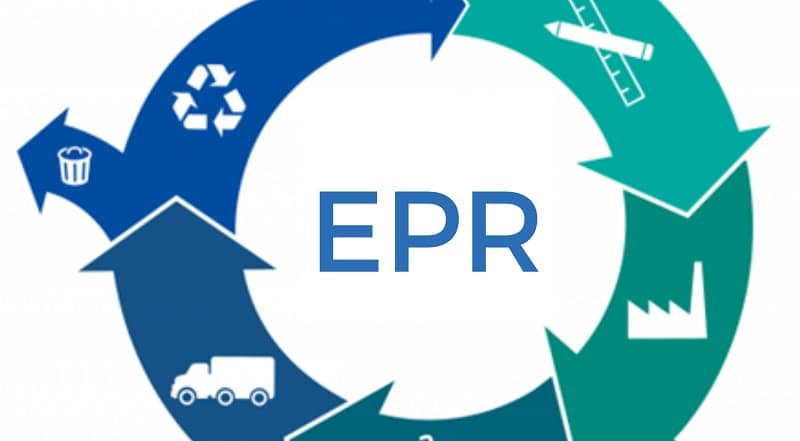
For companies focused on sustainable packaging, this validation has practical implications. Many nations in Europe operate under Extended Producer Responsibility (EPR) frameworks, which assign fees based on packaging materials’ recyclability and environmental impact.
Thanks to the RecyClass endorsement, Avantium’s PET/PEF multilayer bottle is more likely to be favorably classified under these systems, potentially reducing EPR-related costs for manufacturers.
In other words, switching to PEF-based packaging isn’t just better for the environment—it could also be financially beneficial. Bio-Circular Caprolactam
Official Statement from Avantium
Ingrid Goumans, Director of Public Affairs at Avantium, expressed optimism about the recognition:
“This recognition by RecyClass clearly demonstrates that PEF can be successfully integrated into the PET recycling stream. By offering a 100% high-barrier polyester solution, the PEF/PET multilayer bottle opens new possibilities for sustainable packaging. It gives brand owners and converters the confidence to adopt PEF as a functional barrier layer in their PET applications.”
This marks an important moment for circular economy initiatives, especially those focused on improving the recyclability of complex packaging formats. Bio-Circular Caprolactam
More About Releaf® and PEF
Avantium’s PEF is sold under the brand name Releaf®, an EU-registered trademark. While PEF can be used to produce monolayer bottles made entirely from plant-based materials, its true strength lies in its ability to enhance PET multilayer bottles.
These hybrid PET/PEF structures offer a powerful combination of durability, clarity, shelf-life extension, and recyclability.
How the Bottle Was Tested
RecyClass followed a detailed technical protocol to assess the recyclability of the PET/PEF multilayer bottle:
- Lab Testing: Samples were subjected to real-world recycling scenarios by PTI-Europe and Plastics Forming Enterprises.
- Material Breakdown: Engineers analyzed how PEF behaved during PET processing.
- Contamination Risk: The study confirmed no harmful impact on PET quality or mechanical performance. Bio-Circular Caprolactam
- Visual & Physical Analysis: The recycled resin was checked for clarity, color, and structural properties.
The result: no negative effects on the recycled PET stream, affirming full compatibility.
Aligning With Circular Economy Goals
One of the biggest challenges facing plastic recycling is the increasing complexity of packaging designs. Multilayer films and bottles often include materials that hinder recyclability, leading to landfill or incineration.
Avantium’s PET/PEF bottle offers a way out of this dilemma by delivering functionality without compromise. It helps brands meet both sustainability goals and regulatory requirements, including those set by the EU’s Packaging and Packaging Waste Regulation (PPWR). Bio-Circular Caprolactam
Avantium’s Broader Mission
Headquartered in Amsterdam, Avantium is a commercial-stage innovation company pioneering renewable chemistry. Its mission is to replace fossil-based materials with carbon-from-biomass or carbon-from-air (CO₂) alternatives.
At the heart of this mission is the YXY® Technology, a catalytic process that converts plant sugars into FDCA (furandicarboxylic acid)—the key building block for PEF. This process is carbon-efficient, scalable, and proven through years of R&D.
Avantium operates a pilot plant in Geleen, the Netherlands, and is now building the world’s first commercial-scale FDCA plant in Delfzijl. Bio-Circular Caprolactam
Partnering for Scalable Impact
Avantium collaborates with global companies to turn its inventions into market-ready solutions. This partnership approach ensures that the transition to renewable polymers like PEF is economically viable and industry-backed.
With its shares listed on Euronext Amsterdam and Brussels (symbol: AVTX), Avantium is also publicly traded, reflecting growing investor interest in sustainable materials.
Why This Matters for the Future of Packaging
The PET bottle remains one of the most common packaging formats worldwide. As pressure mounts to eliminate waste and reduce carbon footprints, innovations like Avantium’s PEF integration offer a pathway to circularity without compromising product performance. Bio-Circular Caprolactam
The RecyClass validation helps ensure that recyclers, regulators, and retailers are all on the same page regarding what’s truly recyclable.
With this breakthrough, Avantium is not just offering a new material—it’s redefining what’s possible in sustainable packaging.
Final Thoughts: A Greener Bottle, A Better System
Avantium’s validated PET/PEF multilayer bottle provides a compelling solution to one of packaging’s biggest challenges: how to combine high-performance barrier properties with full recyclability. Bio-Circular Caprolactam
As global regulations tighten and consumers demand more sustainable choices, brand owners now have a certified, proven, and scalable option to meet those needs.
With technology rooted in renewable resources and aligned with global recycling infrastructure, this bottle isn’t just recyclable—it’s ready for the circular future.
- Need to Know
- Material: PET/PEF multilayer with 10% Releaf® RP90N
- Tested By: PTI-Europe and Plastics Forming Enterprises
- Validated By: RecyClass (EU) and APR (US)
- Application: Food and beverage bottles, personal care, and more
- Benefit: High barrier, recyclable, bio-based Bio-Circular Caprolactam
- About Avantium
Avantium is a Dutch innovation leader in renewable and circular materials. Its proprietary technologies use plant sugars and CO₂ to create sustainable alternatives to fossil-based plastics. Avantium is currently building the first commercial FDCA plant and is publicly listed on Euronext Amsterdam and Brussels. - Website: www.avantium.com
Renewable Materials Conference 2025: Pioneering the Future of Fossil-Free Innovation
? Siegburg/Cologne, Germany | ? September 22–24, 2025
The Renewable Materials Conference (RMC) 2025 returns this September as the world’s flagship gathering for those shaping the future of the renewable carbon economy. With global interest mounting and fossil-free solutions in the spotlight, RMC is set to deliver breakthrough ideas, industry leadership, and actionable strategies for a greener, circular world.
Why RMC 2025 Matters More Than Ever
Organised by the nova-Institute, RMC 2025 serves as a critical platform for companies, policymakers, researchers, and investors seeking to replace fossil carbon in chemicals and plastics. With climate imperatives intensifying and legislation tightening, the transition to renewable carbon sources like biomass, captured CO₂, and advanced recycling has become not just a goal, but a necessity. Bio-Circular Caprolactam
Following the success of the 2024 edition, which hosted nearly 500 participants from 32 countries, RMC 2025 is projected to surpass that milestone with over 500 international attendees. Impressively, 90% of the audience represents the industrial sector, highlighting RMC’s unique status as an event where commercial innovation and sustainability intersect.
What to Expect: Key Stats & Sessions
- 75 presentations on materials, markets, and innovations
- 20 interactive panel discussions
- 12 hands-on workshops addressing applied solutions Bio-Circular Caprolactam
- “Renewable Material of the Year 2025” Award – with live voting!
The multi-track format offers a deep dive across the full value chain—from feedstock to finished product—delivering both strategic insights and technical depth.
Spotlight: Renewable Material of the Year Award
A signature moment at RMC 2025 is the Renewable Material of the Year competition. Six finalists, each showcasing cutting-edge renewable innovations, will present live to the audience. The winner will be chosen by attendee vote, spotlighting real-world impact and cross-sector innovation.
Expect to see breakthroughs in bio-based polymers, circular technologies, and carbon-smart chemistry.
Conference Themes: 5 Pillars Guiding the Transition
RMC 2025 is structured around five thematic tracks, each designed to address a major challenge in the transition toward a renewable carbon economy. Bio-Circular Caprolactam
1. Defossilising the Chemical Industry
Today, over 90% of the carbon used in chemicals and plastics originates from fossil sources. This track tackles that dependency head-on. With 14 expert presentations, attendees will explore:
- Alternative carbon feedstocks (biomass, captured CO₂, recycled content)
- Electric crackers & non-cracker routes (via methanol/ethanol)
- Biotech and lignocellulosic biorefineries as game-changers
2. Bio-Based Fine Chemicals
Valued at $180 billion globally, the fine chemicals market is embracing bio-based innovation faster than ever. This track (6 presentations) will focus on:
- Biocatalysis and white biotechnology
- Sustainable compounds in cosmetics, pharmaceuticals, and food
- High-purity, high-performance bio-alternatives Bio-Circular Caprolactam
3. Fossil-Free Plastics: Scaling New Materials
With 95% of all plastics still fossil-derived, this track—featuring 22 sessions—takes on one of the most pressing challenges:
- Bio-based, CO₂-based, and recycled plastics for packaging, textiles, and more
- Applications in automotive and high-performance sectors
- Innovations by the award finalists
4. Policy, Investment & Enabling Frameworks
No transition is possible without the right enablers. RMC’s fourth pillar includes 11 talks and multiple panels exploring:
- Regulatory frameworks (e.g. European Green Deal, sustainable carbon cycles)
- Investment drivers and public-private cooperation
- Roadmaps for industrial adoption of renewable materials Bio-Circular Caprolactam
5. Biodegradation: Science, Policy & Practice
Biodegradable plastics are still widely misunderstood. RMC 2025 will bring clarity with 11 presentations and a workshop focusing on:
- Scientific advances in biodegradability and compostability
- New rules like the EU’s Packaging and Packaging Waste Regulation (PPWR)
- Realistic use cases and limitations of biodegradable materials
A Global Confluence of Leaders & Innovators
RMC 2025 isn’t just a European event—it’s a global convergence of startups, multinationals, policy leaders, and academic pioneers. Expect attendees and speakers from North America, Asia, South America, and across Europe.
This international mix fosters unique collaborations, market expansion strategies, and access to new ideas and funding pathways. Bio-Circular Caprolactam
Practical Info: When,Where, How
- Location: Rhein-Sieg-Halle, Siegburg (near Cologne/Bonn), Germany
- Dates: September 22–24, 2025
- Website: renewable-materials.eu
Siegburg offers excellent transport links, with easy access from Cologne, Bonn, and Frankfurt. On-site amenities and sustainable accommodations make the event both accessible and climate-conscious.
Final Thoughts: Why You Should Attend
Whether you’re a materials scientist, climate policymaker, corporate sustainability officer, or venture investor, RMC 2025 offers insights that can shape your strategy for the coming decade. Bio-Circular Caprolactam
Don’t miss your chance to engage with the latest in decarbonisation, innovation, and material science—all under one roof, with a future-forward agenda and a globally connected audience.
♻️ UBE Expands Its Eco-Innovation: Introducing New Products Under the “U-BE-INFINITY” Brand
Driving Sustainability Through Advanced Materials Bio-Circular Caprolactam
In an era where sustainability is no longer optional but essential, UBE Corporation continues to lead by example. The company has officially announced the certification of two groundbreaking products under its environmental product brand “U-BE-INFINITY” — further solidifying its commitment to decarbonization and circular economy principles.
The new entries into this environmental product lineup are:
- Bio-circular Caprolactam, manufactured by UBE Corporation Europe SAU
- Recycled Composite Nylon (Polyamide 6), developed by UBE Composites Europe SLU Bio-Circular Caprolactam
These innovations highlight UBE’s mission to provide cutting-edge materials with reduced environmental impact — a step forward in solving global sustainability challenges.
What Is “U-BE-INFINITY”?
“U-BE-INFINITY” is not just a label — it’s a promise. This exclusive environmental brand by UBE Corporation is awarded to products and technologies that demonstrate exceptional environmental performance. It acts as a mark of trust and innovation, helping customers identify materials that actively contribute to sustainable development.
The brand plays a critical role in enhancing the value of eco-conscious products, while fostering innovation and awareness in green manufacturing. By championing “U-BE-INFINITY,” UBE aims to accelerate the global shift toward environmentally responsible solutions.
? Bio-Circular Caprolactam: Redefining Raw Materials
✅ ISCC PLUS Certified | ? Mass Balance Approach
One of the newest products certified under “U-BE-INFINITY” is bio-circular caprolactam. Manufactured by UBE Corporation Europe SAU, this advanced material is ISCC PLUS certified and produced via the mass balance method — a sophisticated approach that ensures traceability and environmental compliance throughout the supply chain.
Key Highlights:
- Derived from biomass and other renewable raw materials
- Promotes a circular economy through responsible material sourcing
- Supports decarbonization goals across various industries
Already available on the market, bio-circular caprolactam provides an eco-friendly alternative for companies looking to transition away from fossil-based materials. It is especially beneficial in the production of engineering plastics and fibers, where high performance and sustainability must coexist. Bio-Circular Caprolactam
Recycled Composite Nylon: Smart Use of Industrial Waste
♻️ PIR-Based | ? AENOR Certified to UNE-EN15343
UBE Composites Europe SLU, a leader in the engineering plastics sector, brings another innovation to the table — recycled composite nylon (polyamide 6) made using Post-Industrial Recycling (PIR) methods.
This material isn’t just recycled — it’s rigorously verified. Certified by AENOR under the UNE-EN15343 standard, the nylon’s lifecycle is thoroughly documented from raw material intake to final product delivery. Bio-Circular Caprolactam
Benefits at a Glance:
- Utilizes industrial plastic waste, reducing landfill and emissions
- Offers engineering-grade performance with a lower carbon footprint
- Enables manufacturers to meet ESG goals without compromising on quality
These recycled composite nylons are ideal for high-demand applications like automotive parts, consumer electronics, and construction components — where durability meets sustainability.
Elevating Product Value with Environmental Integrity
With the inclusion of these two products under the “U-BE-INFINITY” brand, UBE is creating a new paradigm for product development — one that integrates environmental metrics directly into material innovation. Bio-Circular Caprolactam
Rather than treating sustainability as an afterthought, UBE is embedding it into the DNA of product engineering, empowering industries to adopt greener technologies without sacrificing performance or cost-efficiency.
Why This Matters to the Global Market
As governments tighten environmental regulations and consumers become more eco-conscious, companies across all sectors are seeking materials that can reduce their carbon footprint and satisfy regulatory standards. Bio-Circular Caprolactam
UBE’s offerings provide a ready-made solution to these demands:
- Certified and traceable production for regulatory compliance
- Enhanced recyclability and renewable sourcing for closed-loop systems
- Reduced Scope 3 emissions for supply chain sustainability
By supplying such certified materials, UBE enables its partners and clients to meet and exceed their ESG (Environmental, Social, and Governance) commitments.
Integration Into Existing Manufacturing Ecosystems
One of the standout features of both the bio-circular caprolactam and recycled composite nylon is their compatibility with existing production infrastructures. Manufacturers do not need to overhaul systems to use these materials, which makes adoption:
- Technically seamless Bio-Circular Caprolactam
- Economically viable
- Strategically valuable
This lowers the barrier to entry for companies transitioning to green alternatives and accelerates the deployment of sustainable materials at scale.
Final Thoughts: A Future Built on Sustainability
The launch of these new products under the “U-BE-INFINITY” environmental brand represents more than just another product update — it’s a bold affirmation of UBE’s role as a global leader in eco-conscious manufacturing.
Whether it’s through biomass-based production or industrial waste reclamation, UBE is proving that performance and sustainability are not mutually exclusive — they’re mutually reinforcing.
For industries aiming to meet tomorrow’s sustainability standards today, partnering with UBE means choosing:
- Innovation without compromise Bio-Circular Caprolactam
- Circularity by design
- A real contribution to solving global environmental challenges
Learn More & Stay Updated
Interested in integrating U-BE-INFINITY certified materials into your product line?
Visit UBE Corporation’s official site or follow their LinkedIn page for updates on innovations, case studies, and sustainable materials.

⚡ Syensqo Unveils Bright Orange Amodel® PPA to Power Electric Vehicle Safety
A Brighter Future for High-Voltage Safety in EVs
As the electric vehicle (EV) market surges, the demand for safer, more efficient materials in high-voltage components is growing rapidly. Recognizing this need, Syensqo has introduced a standout solution: a pre-colored orange grade of Amodel® PPA (polyphthalamide) specifically engineered for electric mobility applications.
This vivid orange thermoplastic not only enhances visibility for live components but also streamlines the manufacturing process — an innovation that answers both safety concerns and production efficiency. Bio-Circular Caprolactam
Why Orange? The Safety Code of Color in Electrical Engineering
In electrical systems, color is more than aesthetic — it’s a communication tool. The color orange is internationally recognized to signal high-voltage, live components. In EV architecture, where voltages can exceed 400V or even 800V, visual warnings are critical for safety.
For engineers and technicians, orange signifies “handle with care,” ensuring that during inspections, assembly, or repairs, there’s no guesswork involved. This is especially vital in confined or densely packed EV battery systems where quick identification of live circuits can prevent fatal mistakes.
Introducing Amodel® PPA HFFR-4133 Orange (OR)
Syensqo’s new offering — Amodel® PPA HFFR-4133 Orange (OR) — is a flame-retardant, high-performance aromatic polyamide, tailor-made for high-voltage EV components such as:
- Connectors Bio-Circular Caprolactam
- Busbars (distribution bars)
- Terminal blocks
- Battery housing interfaces
Designed to meet stringent automotive safety norms, this grade is self-extinguishing with a UL 94 V-0 rating, making it ideal for components exposed to potential electrical arcs or heat spikes.
Thermal Stability and Color Retention Under Pressure
One of the key differentiators of this orange Amodel® PPA is its exceptional color stability under heat. Even in environments with sustained high temperatures — a common scenario in EV engine bays — the material retains its bold orange hue.
This is crucial not only for aesthetics but for long-term functional safety. According to Syensqo, the resin complies with major global standards, including:
- ISO 6469-3 – Safety specifications for electric vehicles
- IEC 60664 – Insulation coordination for electrical equipment
- UL specifications related to polymer flammability and performance
Manufacturing Made Easier: No More In-Machine Pigmentation
Traditionally, achieving bright, consistent color in technical plastics required in-machine pigmentation — a process that can lead to variability in color, added waste, and increased cycle times. Bio-Circular Caprolactam
By offering a resin pre-colored in orange, Syensqo removes that step altogether. This leads to:
- Improved process consistency
- Reduced contamination risks
- Fewer handling errors
- Streamlined logistics and supply chain
“This new version, in addition to ensuring greater safety, also offers a resin already pre-colored in orange, eliminating the need for pigmentation on the machine and simplifying the entire production process,” explains Deedee Smith, Head of Transportation Marketing at Syensqo.
Complementary Solutions in Syensqo’s EV Material Portfolio
The orange Amodel® PPA joins a family of advanced thermoplastics by Syensqo, all geared toward addressing the complex challenges of e-mobility. Other standout materials include:
Xencor® LFT XTreme PPA LGF-1045 ECHO BP
This long glass fiber-reinforced grade is formulated for thermal runaway protection — a key requirement for battery safety. It delivers structural integrity and heat resistance during critical failure events. Bio-Circular Caprolactam
Amodel® PPA AE-8945 HFFR
Specifically engineered for use in high-voltage pyrotechnic fuses, this grade offers flame retardancy and stability under explosive conditions — a vital component in EV crash safety systems.
Aligning with the Future of Safer, Greener Mobility
With regulations tightening globally around electric vehicle safety and recyclability, materials that offer both compliance and performance are becoming essential. Syensqo’s color-stable, halogen-free flame retardant (HFFR) PPAs contribute to:
- Reducing reliance on heavy metal-based pigments
- Lowering environmental impact
- Improving vehicle repairability and end-of-life disassembly
These efforts support the transition to circular, low-emission vehicle platforms — a core focus across the automotive industry. Bio-Circular Caprolactam
Use Cases: From Charging Infrastructure to Onboard Electronics
Beyond just under-the-hood components, the orange Amodel® PPA is well-suited for parts in charging stations, onboard chargers, and even high-voltage distribution panels. Its color fidelity and flame-retardant properties make it a strong candidate for:
- EVSE (Electric Vehicle Supply Equipment)
- DC fast-charging connectors
- Battery disconnection units
- Power electronics housing
With the rise of 800V vehicle platforms, where current and thermal management are more intense, the need for durable, visually distinct, and heat-resistant polymers has never been more urgent. Bio-Circular Caprolactam
Technical Highlights at a Glance
| Property | Performance |
|---|---|
| Flame Retardancy | UL 94 V-0 |
| Color Stability | High, even at sustained temperatures |
| Mechanical Strength | Suitable for structural components |
| Thermal Endurance | Compliant with EV operational environments |
| Certifications | ISO 6469-3, IEC 60664, UL |
Conclusion: A Colorful Step Toward a Safer EV Era
Syensqo’s bright orange Amodel® PPA isn’t just a colorful innovation — it’s a solution that reinforces safety, simplifies production, and supports global regulatory trends. As electric vehicles continue to evolve, materials like these will play a vital role in making the transition smoother, safer, and more sustainable.
By embedding visual cues directly into the polymer and aligning with performance standards, Syensqo is lighting the path — quite literally — toward a brighter future for electric mobility. Bio-Circular Caprolactam

Extended Producer Responsibility for Packaging: 2025 base fees
- Introduction
This document provides base fees for year 1 (2025 to 2026) of the Extended Producer Responsibility (EPR) for packaging scheme. It relates to fees that would be charged to liable packaging producers by PackUK (the Scheme Administrator). The fees paid by producers will cover PackUK costs and provide local authorities with additional income to cover the cost of recycling and disposal of waste packaging materials.
It does not cover:
- registration fees and charges paid to the Environment Agency, the Scottish Environment Protection Agency, the Northern Ireland Environment Agency, and Natural Resources Wales
- costs associated with meeting packaging recycling targets e.g. through the purchase of Packaging Waste Recycling Notes
This document is issued by PackUK as the Scheme Administrator for the four-nation scheme.
- 2025 base fees
Table 1. EPR for packaging base fees for 2025 to 2026 for all packaging materials
| Material | Rate (in £ per tonne) |
| Aluminium | 266 |
| Fibre-based composite | 461 |
| Glass | 192 |
| Paper and card | 196 |
| Plastic | 423 |
| Steel | 259 |
| Wood | 280 |
| Other | 259 |
‘Other’ includes any materials not listed in table 1. For example, bamboo, ceramic, copper, cork, hemp, rubber.
The fees are rounded to the nearest £1. Invoices will be based on fees rounded to 4 decimal places.
The base fees are based on the final modelled scenario for the total local authority disposal costs that should be recovered through EPR for packaging in 2025 to 2026 and other relevant costs, detailed below. Bio-Circular Caprolactam
The base fees use packaging tonnage data submitted by producers on the Report Packaging Data (RPD) online portal for the full 2024 period as of 9 June 2025, with adjustments applied.
- Methodology
Base fees are calculated by dividing packaging waste management costs (for household packaging waste) and other relevant costs by the total amount of household packaging placed on the market. The result is a fee rate which is expressed in £ per tonne of packaging placed on the market. The following calculation is carried out for each packaging category separately:
Numerator:
(1) Costs incurred by local authorities managing waste of that packaging category (household packaging waste only) minus revenues from material sales, plus
(2) that packaging category’s share of other costs (PackUK costs, communication costs, and debt provision costs). Bio-Circular Caprolactam
Denominator:
Total weight of that packaging category placed on the market (household packaging only). The household tonnages in-scope of producer fees for each material category have been calculated by adding together tonnages that producers reported as household packaging and as packaging commonly disposed of in public bins or littered.
Glass tonnages include household drink containers as they are in scope of EPR for packaging producer fees, unlike single-use Polyethylene Terephthalate (PET), aluminium and steel drinks containers 150 millilitres to 3 litres in size, which are in scope of the Deposit Return Scheme (DRS) for drinks containers across England, Northern Ireland, and Scotland, launching in October 2027. As details of this scheme and the Welsh DRS are finalised, we will work closely with the four nations and any appointed Deposit Management Organisations to ensure DRS and EPR work effectively. Bio-Circular Caprolactam
To note that for the first year of EPR for packaging (2025 to 2026), costs associated with the management of packaging commonly disposed of in public bins or littered will not be included in the numerator. However, the denominator will include both packaging reported as household packaging and packaging reported as commonly disposed of in public bins or littered.
You should refer to the first release of illustrative base fees for further details on the principles for calculating base fees.
The analytical model used to calculate the total weight of in-scope packaging and to calculate base fees has undergone external quality assurance by the Government Actuary’s Department. The methodology for adjusting to RPD packaging data to best account for producers that have not yet reported has been reviewed by Senior Analysts from each Government in the UK. Bio-Circular Caprolactam