Sustainability Awards 2025 celebrates Pack2Earth’s low-CO2 biobased materials, redefining eco-packaging with compostable innovation and genuine environmental progress. 20-10-2025
Sustainability Awards 2025 Finalist Interview: Pack2Earth’s Low-CO2 Biobased Materials
Pack2Earth: Redefining the Future of Sustainable Packaging
In the race toward a circular and low-carbon economy, biobased materials are emerging as one of the most transformative innovations in sustainable packaging. Among the leaders pioneering this shift is Pack2Earth, a 2025 finalist in the Sustainability Awards under the Commercialized Renewable Materials category.
The company’s breakthrough materials promise to redefine packaging for long-life dry, semi-liquid, and liquid products — offering home-compostable, high-barrier alternatives to conventional plastics while significantly cutting carbon emissions.
What Makes Pack2Earth’s Biobased Materials Unique
Pack2Earth’s innovation lies in creating biobased materials that combine performance with sustainability — a rare balance in the packaging world.
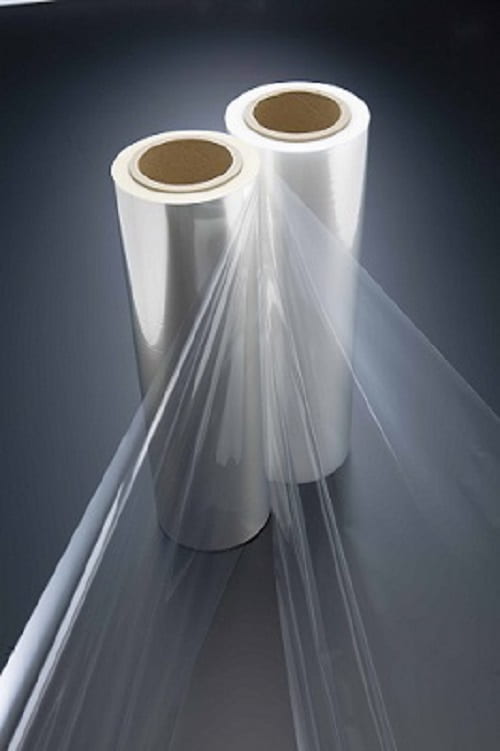
Unlike traditional biodegradable or compostable plastics that often need industrial composting facilities, Pack2Earth’s solutions compost at ambient temperature, making them genuinely home compostable. These materials can package everything from dry goods to semi-liquid and liquid products — and can even be used to manufacture reusable items.
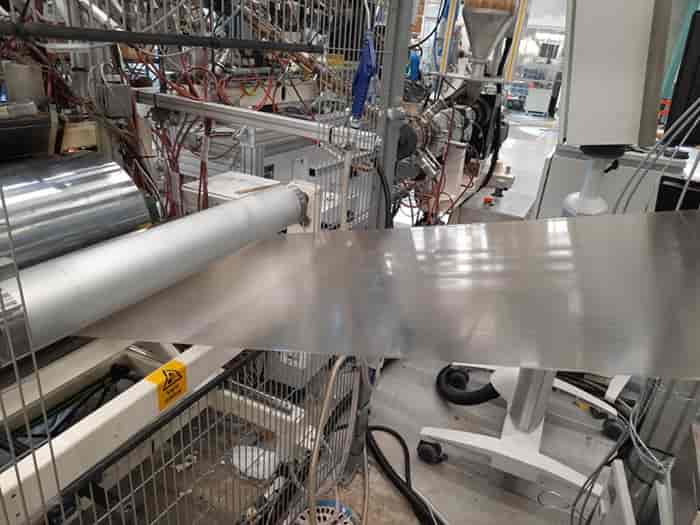
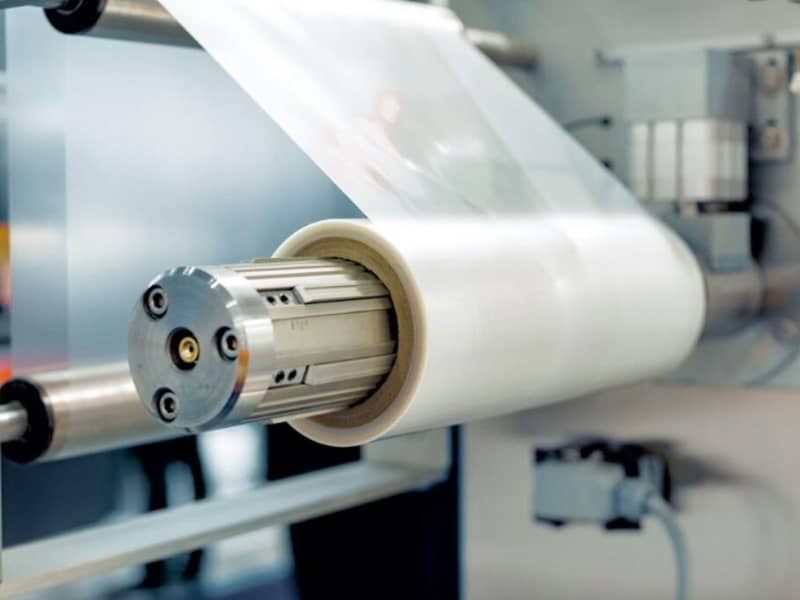
What sets them apart further is their compatibility with existing production equipment. They can be processed using the same moulds and machinery designed for conventional plastics, making it easier for manufacturers to transition without costly overhauls.
And, crucially, they leave no microplastics or toxins behind — a critical step toward cleaner ecosystems and healthier consumers.
High Barrier Meets High Impact
The term “home compostable” rarely appears in the same sentence as “high barrier.” Yet, Pack2Earth has achieved both.
Their biobased materials offer strong resistance to water vapour, oxygen, and grease — making them suitable for long shelf-life foods and robust reusable items. Food contact has been approved for over 12 months, ensuring safety and durability without compromising environmental integrity.
At the end of their lifecycle, these materials compost entirely, breaking down naturally without leaving micro- or nanoplastics that can infiltrate the food chain. This innovation addresses a growing health crisis: studies show that 91% of plastic is not recycled, 79% ends up in landfills or nature, and traces of microplastics have even been found in the human brain — a disturbing link to cognitive decline and other serious health issues.
Health and Climate Advantages
Pack2Earth’s biobased materials are not only sustainable but also safe. They contain no PFAS, endocrine disruptors, or other toxic substances, helping brands comply with new EU and global regulations that restrict hazardous chemicals in food-contact packaging.
From a climate perspective, the company reports impressive results. Their materials reduce CO₂ emissions by up to 2 kilograms for every kilogram produced compared with fossil-based plastics — even when incinerated. This low-carbon footprint directly supports companies striving to meet ESG targets and reduce Scope 3 emissions.
Market Momentum and Industry Collaboration
The market’s response to Pack2Earth’s innovation has been overwhelmingly positive. The company has received more than 130 pilot requests, with 25 key strategic partnerships already in progress. Several of these pilots have evolved into long-term, paid collaborations, generating over €400,000 in commercial deals to date.
Beyond sales, Pack2Earth works with clients through co-creation projects, formulating customized grades of their biobased materials to solve specific packaging challenges. This collaborative approach not only accelerates adoption but also enhances innovation across the packaging value chain.
Regulation as a Catalyst for Change
Pack2Earth’s momentum aligns with the EU’s upcoming Packaging and Packaging Waste Regulation (PPWR). From 2026, PFAS will be banned in food-contact packaging materials, making it increasingly difficult to rely on recycled fossil plastics due to contamination concerns.
By 2030, all packaging sold in the EU must be recyclable, recycled, or compostable. Pack2Earth’s biobased materials directly address these requirements, positioning the company as a key enabler of the next generation of sustainable packaging.
As public concern grows around nano- and microplastic contamination, demand for safer, compostable packaging is rising. Consumers are becoming more educated and selective — and Pack2Earth’s materials offer both peace of mind and measurable environmental value.
Expanding Applications and Future Developments
Looking ahead, Pack2Earth is investing in R&D to expand the use of its biobased materials into higher-volume packaging formats. New developments include formulations for:
-
Thermoforming: enabling cost-effective production of trays, yoghurt pots, and similar containers.
-
Blow moulding: opening opportunities for bottles and rigid containers.
-
Second-generation materials: developed from food-grade agro-industrial side streams, further enhancing circularity.
These innovations represent the next phase of scalability, affordability, and environmental performance in biobased packaging.
The Road to the Sustainability Awards 2025
As Pack2Earth prepares for the Sustainability Awards 2025 announcement, the company remains focused on its mission: eliminating fossil plastics from long-life packaging while cutting CO₂ and protecting human health.
The winners will be revealed at the Sustainable Packaging Summit, taking place in Utrecht, November 10–12, 2025. This premier event unites FMCG leaders, recyclers, NGOs, policymakers, and investors to collaborate on removing barriers to sustainable transformation.
Regardless of the final outcome, Pack2Earth’s nomination signals an important recognition: the future of packaging lies in biobased materials that are both high-performing and safe for people and the planet.
More….