100% Cellulose-Based Packaging: A Scalable Route Beyond Fossil Plastic Films
Cellulose-based packaging
100% Cellulose-Based Packaging: A Scalable Route Beyond Fossil Plastic Films
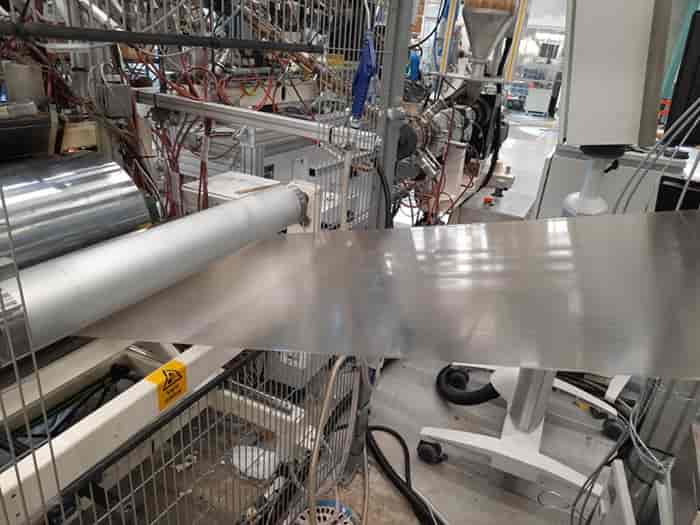
The packaging industry is entering a new phase in the transition away from fossil-based plastics. For years, brands have faced a difficult trade-off: paper and board are widely recyclable, but they often need plastic coatings to deliver the barrier performance required for food, bakery, dry goods and consumer packaging. Now, a cellulose-based film and coating platform developed in Finland suggests that this compromise may become less necessary.
The technology, advanced by VTT Technical Research Centre of Finland and LUT University through the F3 – Films for Future biobased materials project, uses cellulose not simply as a fibre but as a processable polymer. This distinction matters. Instead of producing conventional paper-like materials, the platform enables transparent films and high-performance coatings that can behave more like plastic while remaining rooted in renewable cellulose chemistry.
Why cellulose-based packaging is gaining attention
Plastic films remain one of the most common formats in modern packaging because they are lightweight, flexible, transparent and effective at protecting products from oxygen, grease and moisture. The problem is that many multilayer plastic films are difficult to recycle, especially when they combine different polymers, adhesives or coatings.
At the same time, regulators and packaging buyers are pushing the market toward simpler, more recyclable and lower-impact material structures. Fibre-based packaging is attractive, but if it depends on too much plastic to perform, it may lose some of its sustainability advantage. Emerging classification thresholds, including plastic-content limits around 5% by weight in some fibre-based contexts, are making material composition a strategic issue rather than a technical footnote.
This is where 100% cellulose-based films and coatings become relevant. They offer a way to preserve key packaging functions while reducing or eliminating the fossil-plastic layer that often complicates recycling. cellulose-based packaging
What makes the Finnish F3 platform different
The F3 project focused on creating films and coatings from cellulose that could meet industrial packaging requirements, not just laboratory sustainability claims. The resulting materials are designed for different end-of-life pathways depending on the application.
For standalone films, the platform offers transparent cellulose-based material with inherent biodegradability. For coatings applied to paper or board, the goal is to deliver barrier performance while keeping the packaging compatible with fibre-based recycling systems. Where recycling is not the most realistic route, biodegradability may also be designed into the application.
This dual approach is important because packaging does not have a single universal end-of-life scenario. A dry-food pouch, a bakery wrapper, a coated board tray and a functional barrier layer may each require different performance, processing and disposal assumptions.
Plastic-like performance without fossil-plastic dependency
One of the main barriers to replacing plastic films is performance. Packaging must protect the product, extend shelf life, survive converting lines and maintain consumer usability. A sustainable material that fails during processing or compromises food protection is unlikely to scale.
According to the project results, the cellulose films demonstrated oxygen barrier performance comparable to conventional plastic films under defined conditions. The reported oxygen transmission rate for the films is below 1 cc/m²/day at 23°C and 50% relative humidity. The coatings showed even stronger oxygen barrier performance, with reported OTR below 0.2 cc/m²/day, while also delivering grease resistance at KIT 12 level.
These figures are especially relevant for dry food, bakery products and fibre-based packs that need transparent or high-barrier layers. The next technical challenge will be improving performance under humid conditions, where many cellulose-based materials face their toughest test.
Designed for existing packaging infrastructure
A major reason many sustainable packaging innovations fail to reach the market is not the material itself, but the lack of compatibility with industrial equipment. Packaging converters need materials that can run on existing or only moderately adapted lines.
The F3 platform has been demonstrated with conventional converting processes, including thermoforming. This is a practical signal for brand owners and converters: the technology is not positioned only as a niche biopolymer concept, but as a potential fit for real packaging production environments.
That does not mean commercial adoption is automatic. Scale-up will still require cost optimisation, humidity-resistance improvements, food-contact validation, supply-chain readiness and customer-specific testing. However, compatibility with existing converting infrastructure significantly improves the chances of moving from pilot demonstration to industrial application.
Why regulation is accelerating the shift
The European packaging market is being reshaped by the Packaging and Packaging Waste Regulation, which strengthens the direction toward recyclable, reusable and lower-impact packaging. For businesses placing packaging on the EU market, the direction is clear: packaging design must increasingly account for its full lifecycle, not only product protection and shelf appeal.
This regulatory shift is creating demand for materials that simplify packaging structures. A cellulose coating that enables a paper or board pack to remain recyclable may be more attractive than a multilayer structure that performs well but creates sorting or recycling problems.
For producers, the key question is no longer only “Can this material replace plastic?” It is also “Can this material help us meet recyclability, composition and end-of-life expectations without redesigning the entire packaging system?”
Potential applications in food and beyond
The most immediate use cases appear to be dry food packaging, bakery products and fibre-based packaging requiring transparent barrier layers. These are logical early markets because they often require oxygen and grease barriers but may be less demanding than high-moisture applications.
Over time, the platform could move into more advanced packaging functions. Cellulose-based systems may support antimicrobial, antioxidant or responsive features, including packaging that reacts to humidity, gas composition or pH. These active and intelligent packaging functions are increasingly relevant as food systems seek better shelf-life management and reduced waste.
Beyond packaging, the same material platform could have potential in medical materials, electronics and functional coatings. Cellulose is renewable, abundant and chemically versatile, which makes it a strong candidate for future material systems that need both performance and lower environmental persistence.
The key commercial question: can it scale?
The most promising aspect of the F3 project is not simply that cellulose films can be made. That has been explored for years. The more important point is that the project has demonstrated pilot-scale feasibility across films and coatings while involving a broad industrial value chain.
Scalability will depend on several factors: raw material availability, processing economics, coating-line productivity, compatibility with food-contact rules, humidity performance and recycling-system acceptance. If those barriers are addressed, cellulose-based packaging could become a credible route for companies seeking to reduce fossil plastic without sacrificing technical performance.
A realistic step toward circular packaging
The packaging sector does not need another material that sounds sustainable but creates new end-of-life problems. It needs materials that are functional, scalable and compatible with real recycling or biodegradation pathways.
The Finnish cellulose-based film and coating platform points in that direction. It is not a universal replacement for every plastic film, and humid applications remain a development priority. But for dry food, bakery and recyclable fibre-based packaging, it offers a serious pathway toward plastic-free or plastic-reduced structures.
As regulation tightens and brands look for packaging that can satisfy both performance and circularity requirements, cellulose-based packaging may move from innovation spotlight to industrial procurement shortlist. The winners will be the technologies that combine credible barrier performance, processability, regulatory alignment and a clear end-of-life story.
In that context, 100% cellulose-based films and coatings are more than a material science milestone. They are a practical signal of where the next generation of packaging is heading: renewable, simpler, recyclable where possible, biodegradable where needed, and designed from the beginning for a lower-impact lifecycle.
China Fresh Produce Packaging Faces 2 Major Disruptions From Sustainable Film Innovation
More…