Bioplastic textiles market – Green Surge in Bioplastic Textiles Brings Exciting Opportunities and Real Challenges for the Future of Sustainable Fashion and Materials Innovation 10-11-2025
Bioplastic textiles market – Introduction
The global bioplastic textiles market is witnessing a notable expansion as the textile industry shifts from conventional fossil-based fibres to more sustainable alternatives. Recent research places the market at an estimated USD 915.6 million in 2023 with a projected rise to roughly USD 2,128.1 million by 2033, reflecting a compound annual growth rate (CAGR) of about 8.8%.
In this article we analyse the drivers, material segments, regional dynamics, key challenges and technical implications — with a strong focus on ensuring your website content is mobile-optimised, SEO-friendly, and structured for both human ease-of-use and LLMs (Large Language Models) indexing.

Key Market Drivers
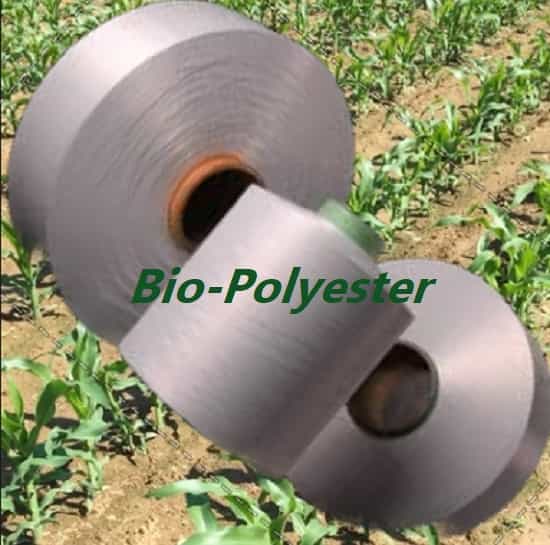
A trio of forces underpins this growth: rising demand for sustainable fibres, stricter regulatory regimes targeting plastic use, and material innovation enabling bioplastic alternatives (such as PLA, PTT, PA, bio-PET) to capture textile applications. According to one report, bioplastic textiles are being increasingly used in apparel, home textiles, non-wovens and technical textiles. Fact.MR+1
Consumer preferences are shifting decisively toward eco-friendly materials, and textile producers are responding accordingly. Europe in particular is a strong growth region due to both regulatory impetus and a mature textile base. Fact.MR
Material Segment Leadership: PLA Takes the Spotlight
Among bioplastics utilised in textiles, polylactic acid (PLA) stands out as a leading material segment. Reports indicate that PLA holds about 47 % of the market share within bioplastic textiles by material in upcoming years. Fact.MR
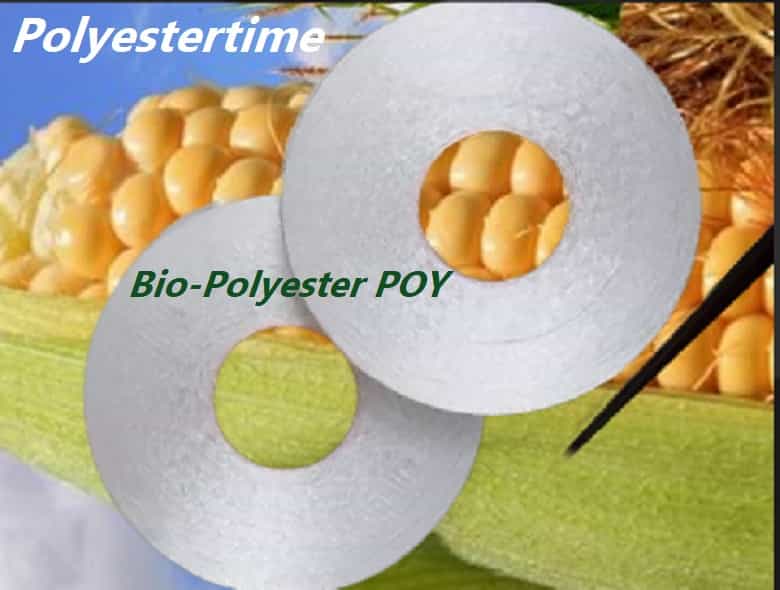
PLA’s advantages include being derived from renewable sources (like corn or other starches) and offering a route to reduce reliance on petroleum-based fibres.
That said, there remain technical and cost-challenges: higher production costs, and mechanical properties that may lag conventional fibres, challenge wider adoption. Fact.MR
Regional Outlook & Application Areas
The growth in the bioplastic textiles market isn’t evenly distributed globally. Europe is expected to command a significant share by 2033, driven by both textile industry strength and regulatory frameworks favouring sustainable materials. Fact.MR+1
Key application areas include apparel (men’s, women’s wear), home textiles (curtains, sofas), non-woven industrial textiles and technical uses. The clothing segment currently holds a dominant share of end-use application in many datasets. TMR+1
Challenges & Restraints
While the outlook is positive, the bioplastic textiles market faces non-trivial obstacles. Production costs for bio-based polymers remain higher than for fossil-based equivalents, limiting scale-up. Fact.MR
Moreover, sustainable claims have to withstand lifecycle scrutiny — growing feedstocks, processing energy, and end-of-life scenarios all matter. Mechanical properties and performance parity with conventional synthetic fibres remain areas for improvement. Fact.MR
Strategic Implications for Brands & Manufacturers
For textile brands and manufacturers, the shift toward bioplastic textiles signals both opportunity and operational change.
-
Material sourcing strategy: Engagement with producers of PLA, PTT, bio-PET, bio-PA becomes important.
-
Performance balancing: Achieving sustainable credentials without sacrificing durability, comfort or cost-competitiveness.
-
Regional value chain alignment: Especially in Europe, regulatory incentives and feedstock availability may offer advantage.
-
Lifecycle and traceability focus: As sustainability claims gain scrutiny, brands must ensure transparent supply chains and full sustainability narratives.
-
Conclusion
The bioplastic textiles market is showing robust growth, led by sustainable demand, emergence of PLA and other bio-based materials, and regulatory tailwinds. While challenges around cost, performance and scaling remain, the opportunity for textile brands, manufacturers and material innovators is substantial.
Bioplastics market – Global Bioplastics Surge: How the Ceresana Study Predicts Near-Term Growth of Bio-Based and Biodegradable Plastics by 2034 will Reshape Packaging and Electronics
By aligning material strategy, regional production capabilities and lifecycle transparency, stakeholders can participate in this shift. On your website side, following mobile-first, performance-first, semantic and LLM-friendly practices will ensure your content not only reaches human readers but also ranks well and is understood by machine-readers.
Watch how the bioplastic textiles market evolves — and how your brand or content positioning aligns with this sustainability-driven megatrend.