Plastic Recycling Boom Drives 7 Positive Industry Shifts
The rapid rise of chemical recycling is reshaping how industries and governments approach plastic waste
Across Asia, particularly in major industrial regions, investments in advanced recycling technologies are accelerating. This shift is not just about waste management—it signals a broader transformation toward a circular economy where materials are continuously reused rather than discarded.
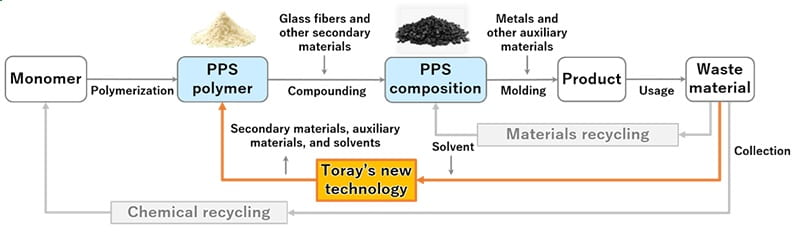
One of the most significant developments is the scale at which chemical recycling facilities are being deployed. Unlike traditional mechanical recycling, which often degrades plastic quality, chemical processes break materials down to their molecular level. This allows plastics to be reused in high-quality applications, including food-grade packaging, significantly expanding their lifecycle.
Governments are playing a crucial role in supporting chemical recycling initiatives. Policy frameworks across Asia are increasingly aligned with sustainability targets, encouraging both public and private sector investment. Incentives, regulatory clarity, and environmental mandates are helping to reduce barriers to adoption, making these technologies more commercially viable.
From an industrial perspective, the appeal of chemical recycling lies in its flexibility
It can process mixed or contaminated plastics that would otherwise end up in landfills or incineration facilities. This capability addresses one of the biggest limitations of conventional recycling systems, offering a more comprehensive solution to plastic waste challenges.
The economic implications are equally noteworthy. As demand for sustainable materials grows, companies are turning to chemical recycling to secure reliable sources of recycled feedstock. This trend is driving innovation across the value chain, from waste collection and sorting to advanced processing and product manufacturing. It also opens new revenue streams and strengthens supply chain resilience.
Environmental benefits further reinforce the importance of chemical recycling
By reducing reliance on virgin fossil-based materials, these processes can lower greenhouse gas emissions and decrease overall environmental impact. While challenges remain—such as energy consumption and scalability—ongoing technological advancements are steadily improving efficiency and sustainability outcomes.
Another key factor is collaboration. Industry leaders, technology providers, and policymakers are increasingly working together to accelerate the adoption of chemical recycling. Partnerships are essential for scaling infrastructure, sharing expertise, and ensuring that systems are both economically and environmentally sustainable.
Despite the progress, there are still hurdles to overcome. Public perception, regulatory inconsistencies, and high initial investment costs can slow down deployment. However, as awareness grows and success stories emerge, confidence in chemical recycling continues to strengthen.
Looking ahead, the trajectory of chemical recycling suggests a pivotal role in the future of global waste management
As technologies mature and costs decrease, adoption is expected to expand beyond Asia into other regions. This will further integrate recycling into mainstream industrial processes and reinforce the transition toward circular economic models.
For businesses and policymakers alike, the message is clear: chemical recycling is no longer a niche innovation but a central pillar of sustainable development. Its ability to transform waste into valuable resources positions it as a critical solution in addressing one of the world’s most pressing environmental challenges.
Revolutionary Plastic Recycling Breakthroughs
More,,,