EV Cars – Battery-powered vehicle registrations in China are expected to grow 20%, reaching 12 million units—more than double the 5.9 million sold in 2022. Meanwhile, ICE vehicle sales will decline by 10%, dropping below 11 million units. Analysts from UBS, HSBC, and Morningstar agree that this transition is imminent and inevitable 30-12-2024 - Archive
EV Cars
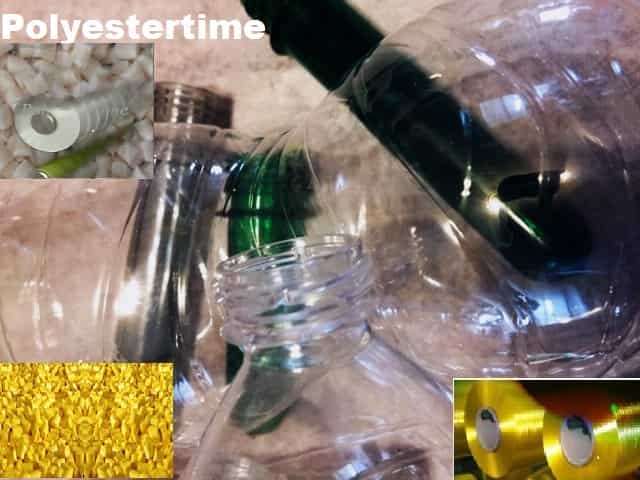
- Sustainable Packaging – Paulowsky’s recycled plastics are among the highest quality post-consumer recycled (PCR) products in Europe, and it is widely used in industry and consumers 23-12-2024
- New enzyme technology for environmentally friendly plastic recycling
EV Cars
Kagawa Plant to Expand Anode Material Production for EV Lithium-Ion Batteries
Mitsubishi Chemical Group plans to boost production of anode material for lithium-ion batteries, primarily used in electric vehicles (EVs), at its Kagawa Plant in Sakaide, Kagawa Prefecture. The expanded operations are set to begin in October 2026.
Anode material, a key lithium-ion battery component, is typically made from natural or synthetic graphite. Mitsubishi Chemical excels in producing natural graphite-based materials, known for their lower greenhouse gas emissions and favorable lifecycle assessments. Utilizing proprietary technology, the Group has developed a high-performance grade of natural graphite that mitigates swelling, a common issue affecting battery life, surpassing the capabilities of synthetic graphite. EV Cars
This production increase aims to meet growing demand, strengthen supply chains, and support carbon-neutral mobility initiatives. By focusing on advanced natural graphite materials, the Group reinforces its commitment to sustainable innovation in the EV sector.
Key Details:
- Location: Kagawa Plant, Mitsubishi Chemical Corporation (Sakaide, Kagawa Prefecture, Japan)
- Start Date: October 2026 (tentative)
- Production Capacity: 11,000 tons/year EV Cars
This expansion aligns with global efforts to decarbonize transportation and fortifies Mitsubishi Chemical Group’s position as a leader in advanced battery materials.
China Set to Dominate Electric Vehicle Market by 2025
China is poised to lead the global electric vehicle (EV) market, outpacing slower adoption in Europe. According to the Financial Times, EV sales in China are projected to surpass internal combustion engine (ICE) vehicles by 2025, marking a significant industry milestone.
Battery-powered vehicle registrations in China are expected to grow 20%, reaching 12 million units—more than double the 5.9 million sold in 2022. Meanwhile, ICE vehicle sales will decline by 10%, dropping below 11 million units. Analysts from UBS, HSBC, and Morningstar agree that this transition is imminent and inevitable. EV Cars
This shift reflects a profound transformation in China’s automotive sector. Traditional car sales are forecasted to fall by over 30% from 2022 levels, while EV sales, including plug-in hybrids, are increasing by 40% annually.
China’s progress contrasts with Europe and the U.S., where EV adoption faces challenges such as local manufacturers’ slow electrification efforts, uncertainty over subsidies, and stricter protectionist policies. Robert Liew of Wood Mackenzie emphasizes China’s technological leadership and robust supply chains for strategic materials, driving its electrification goals far ahead of competitors. EV Cars
By 2025, China is expected to achieve its 2035 government target—EVs accounting for 50% of new registrations—a decade early. Although Norway leads with over 90% of new EV registrations, China’s dominance is clear. Foreign brands’ market share in China has fallen from 64% in 2020 to 37% in 2024, as Chinese automakers launch 90 new models in late 2024 alone, reshaping global industry dynamics.
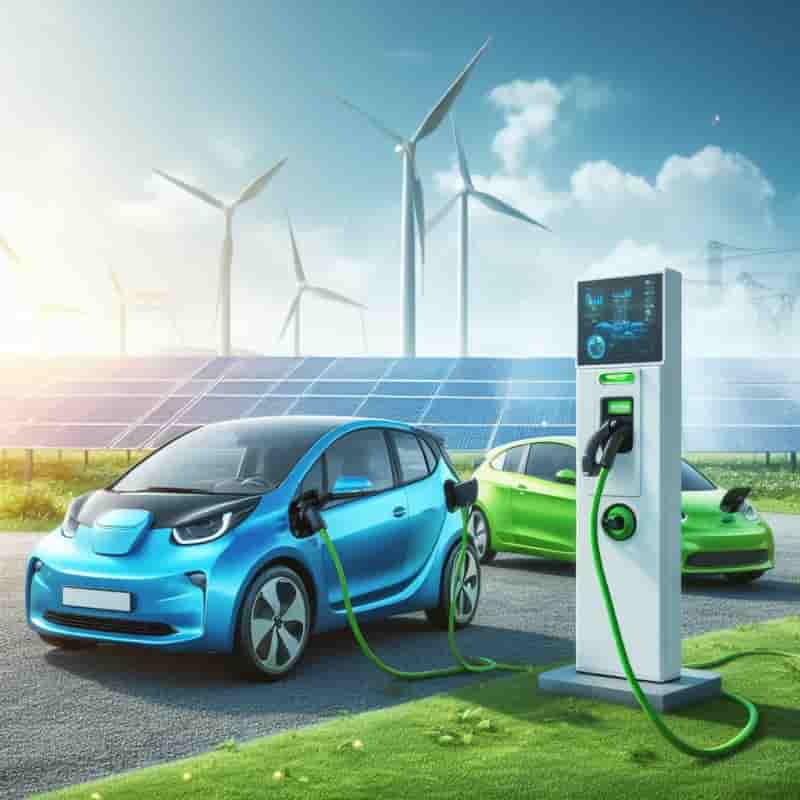
Solid-State Batteries: A Pivotal Year Ahead in 2025
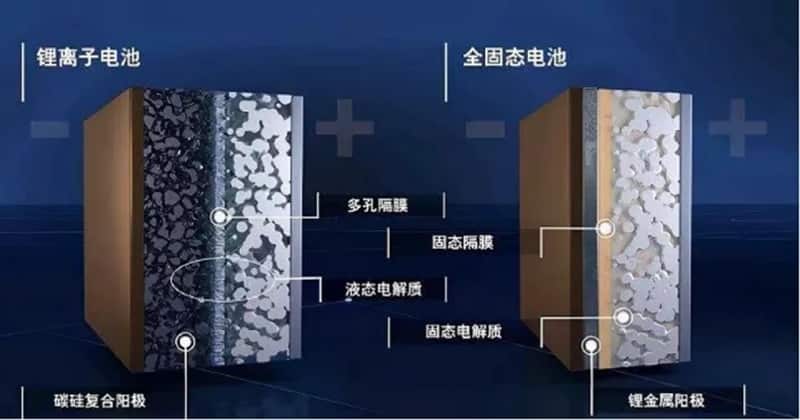
Solid-state batteries are poised to revolutionize electric vehicles (EVs), offering a leap forward in performance and safety. Long hailed as the ultimate solution, these batteries could see industrial-scale production by 2025. Unlike conventional lithium-ion batteries, solid-state versions replace liquid electrolytes with solid materials, enhancing energy density while maintaining comparable size. This innovation promises longer range and improved efficiency for EVs.
The technology’s design incorporates a solid separator between the anode and cathode, coupled with a gel-like electrolyte for energy conduction. This setup reduces weight, enables faster charging, and improves resistance to extreme temperatures. Additionally, the reduced reactivity lowers the risk of fires, even under damage or overheating. Solid-state batteries thus present a significant advancement for lightweight EVs and heavy-duty models alike, potentially extending range dramatically. EV Cars
Global automakers are accelerating development. IM Motors and Nio have introduced semi-solid battery systems, enhancing vehicle range. Stellantis plans to test Factorial’s semi-solid packs in 2026, prioritizing larger models like Alfa Romeo and Maserati using its STLA Large platform. Similarly, Honda has launched a pilot line in Japan, aiming to integrate solid-state batteries into its hybrids and EVs by the late 2020s.
Toyota projects its own solid-state battery debut by 2027 or 2028, touting enhanced range and rapid charging. Meanwhile, Nissan and BMW target similar timelines, while Mercedes-Benz, despite ongoing collaborations, remains cautious about their necessity.
With such momentum, 2025 could mark a breakthrough for solid-state batteries in the EV industry. EV Cars