Plenty of Oil, Not Enough Fuel: The Hidden Crisis in the Global Energy System
Global fuel shortage despite oil abundance
A World of Oil, Yet a Shortage of Fuel: Understanding the New Energy Paradox
At first glance, the idea that the world could face fuel shortages while still sitting on abundant oil reserves seems contradictory. For decades, energy crises have been defined by a lack of crude oil itself—shortages driven by declining production or surging demand. Today, however, the global energy system is confronting a more complex and arguably more fragile problem: not a shortage of oil, but a shortage of usable fuel.
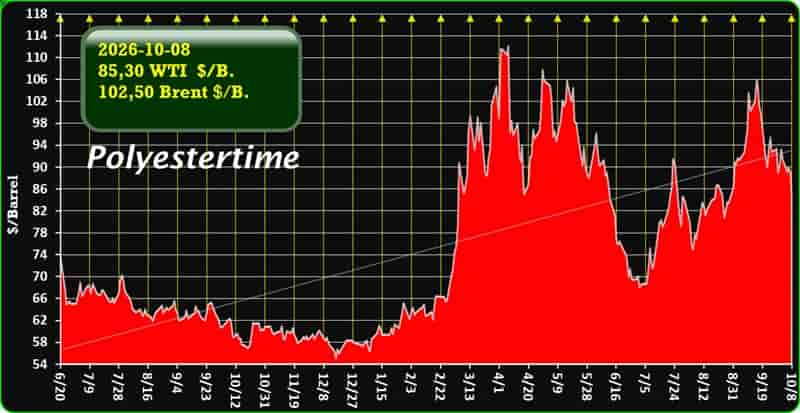
Recent reporting, including the article “The world has plenty of oil, but a different shortage is emerging,” highlights a critical shift in how energy constraints are unfolding. While crude oil remains relatively plentiful, the systems required to refine, transport, and distribute it are under increasing strain. The result is a growing imbalance between raw supply and usable output—one that is beginning to ripple across economies, industries, and geopolitical relationships.
The Illusion of Abundance
Global crude oil reserves remain substantial by historical standards. Stockpiles in many regions are sufficient to cover roughly 90 to 100 days of demand, suggesting that the world is not running out of oil anytime soon. Major producers continue to extract millions of barrels per day, and technological advancements have made previously inaccessible reserves economically viable.
Yet this apparent abundance masks a deeper vulnerability. Crude oil in its raw form has limited utility. It must be processed in refineries into products such as gasoline, diesel, jet fuel, and petrochemicals before it can power vehicles, airplanes, and industrial systems. The bottleneck, therefore, is not at the point of extraction, but at the stages that follow. global fuel shortage despite oil abundance
This distinction is crucial. It reframes the current situation not as a traditional supply crisis, but as a structural imbalance within the energy value chain. Oil may be plentiful underground and in storage, but without sufficient refining capacity and efficient distribution networks, it cannot meet real-world demand.
Refining Constraints and Structural Weaknesses
Over the past decade, global refining capacity has struggled to keep pace with shifting demand patterns. Several factors contribute to this imbalance.
First, many refineries—particularly in Europe and North America—were shut down during the COVID-19 pandemic due to reduced demand and financial pressures. Some of these facilities never reopened, either because they were no longer profitable or because governments and companies prioritized investments in cleaner energy alternatives. global fuel shortage despite oil abundance
Second, building new refineries is an expensive and politically sensitive undertaking. Environmental regulations, long construction timelines, and uncertainty about the future of fossil fuels discourage investment in large-scale refining infrastructure. As a result, global capacity has not expanded at the rate needed to handle current consumption levels. global fuel shortage despite oil abundance
Third, existing refineries are not always configured to produce the types of fuel currently in highest demand. For example, a refinery optimized for gasoline production may not easily shift to producing more jet fuel or diesel without significant upgrades. This inflexibility creates mismatches between supply and demand across different fuel categories. global fuel shortage despite oil abundance
The cumulative effect is a system operating with little margin for error. Even minor disruptions—whether technical, logistical, or geopolitical—can quickly translate into shortages of specific fuels. global fuel shortage despite oil abundance
The Role of Geopolitics: Chokepoints and Vulnerabilities
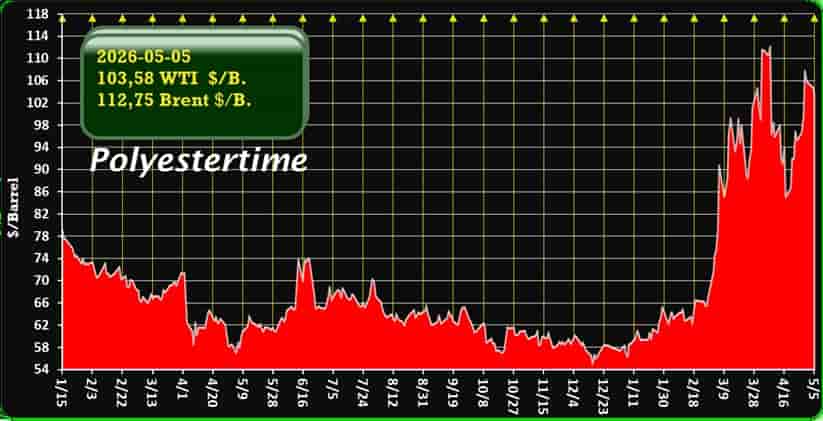
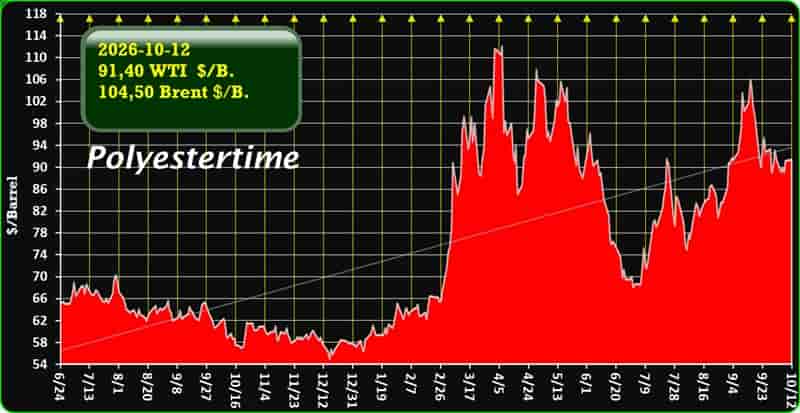
Geopolitical tensions have further exposed the fragility of global energy logistics. One of the most critical flashpoints is the Strait of Hormuz, a narrow maritime corridor through which roughly one-fifth of the world’s oil supply passes. Any disruption in this region—whether due to military conflict, political instability, or strategic maneuvering—can have immediate and far-reaching consequences.
While crude oil shipments may continue to flow, interruptions in transport routes can delay or reroute deliveries, increasing costs and reducing efficiency. More importantly, disruptions can disproportionately affect refined products, which often rely on tightly coordinated supply chains and just-in-time delivery systems. global fuel shortage despite oil abundance
In recent months, concerns about instability in key transit routes have already begun to impact markets. Shipping costs have risen, insurance premiums for tankers have increased, and companies are reassessing their logistical strategies. These pressures contribute to the growing scarcity of refined fuels, even when crude oil itself remains accessible. global fuel shortage despite oil abundance
A Shortage of the “Right” Products
One of the defining features of the current situation is that not all fuels are equally affected. Shortages are emerging most clearly in products such as jet fuel, diesel, and liquefied petroleum gas (LPG). These fuels are essential for transportation, aviation, and industrial processes, making their scarcity particularly disruptive. global fuel shortage despite oil abundance
The aviation sector, for example, is highly sensitive to fluctuations in jet fuel supply. Limited availability can lead to higher ticket prices, reduced flight schedules, and increased operational costs for airlines. Similarly, diesel shortages can impact trucking and shipping, slowing the movement of goods and contributing to broader supply chain disruptions.
In many cases, these shortages are regional rather than global. Asia and parts of Europe have experienced tighter supplies due to a combination of high demand and limited local refining capacity. Meanwhile, other regions may have surplus production but lack the infrastructure to export it efficiently. global fuel shortage despite oil abundance
This uneven distribution underscores the importance of logistics in the modern energy system. It is not enough to produce fuel; it must be delivered to the right place at the right time. When this coordination breaks down, shortages can emerge even in a world of overall abundance. global fuel shortage despite oil abundance
Economic Consequences
The economic implications of this refining and distribution crisis are significant. Rising fuel prices are one of the most immediate effects, as limited supply drives up costs across multiple sectors. Higher transportation costs, in turn, feed into the prices of goods and services, contributing to inflationary pressures. global fuel shortage despite oil abundance
Industries that rely heavily on fuel—such as manufacturing, logistics, and agriculture—are particularly vulnerable. Increased operating costs can reduce profitability, slow production, and lead to higher prices for consumers. In extreme cases, shortages can force companies to scale back operations or delay projects. global fuel shortage despite oil abundance
At a macroeconomic level, persistent energy constraints can dampen economic growth. Countries that depend on fuel imports may face worsening trade balances, while those with limited refining capacity may struggle to meet domestic demand. These dynamics can exacerbate existing inequalities between regions and create new sources of tension in the global economy. global fuel shortage despite oil abundance
A Structural Crisis, Not a Temporary Disruption
What makes the current situation especially concerning is that it may not be easily resolved. Unlike past oil crises, which were often triggered by sudden supply shocks and resolved through increased production, today’s challenges are rooted in structural factors.
The decline in refining capacity, the reluctance to invest in new infrastructure, and the increasing complexity of global supply chains all point to a system that is less resilient than it appears. Addressing these issues will require long-term planning and significant investment—both of which are complicated by the ongoing transition toward cleaner energy sources. global fuel shortage despite oil abundance
This creates a paradox. On one hand, governments and companies are under pressure to reduce reliance on fossil fuels and accelerate the shift to renewables. On the other hand, the current energy system still depends heavily on oil and its derivatives, and insufficient investment in that system can lead to shortages and instability. global fuel shortage despite oil abundance
Balancing these competing priorities is one of the central challenges of modern energy policy.
Implications for the Energy Transition
The refining and distribution crisis may ultimately accelerate changes in how energy is produced and consumed. Persistent shortages and high prices could encourage greater efficiency, reduce demand, and make alternative energy sources more economically attractive.
For example, electrification of transportation—through electric vehicles and expanded public transit—could reduce dependence on gasoline and diesel. Similarly, investments in renewable energy and energy storage could lessen the need for fossil fuel-based power generation.
At the same time, the current situation highlights the importance of maintaining a stable energy supply during the transition. Abrupt disruptions can undermine public support for climate policies and create political backlash. Ensuring reliability and affordability will be essential for a successful shift to a more sustainable system. global fuel shortage despite oil abundance
Toward a More Resilient Energy System
Addressing the paradox of oil abundance and fuel scarcity will require a multifaceted approach. Key priorities include:
-
Investing in refining capacity where appropriate, particularly in regions with growing demand.
-
Improving logistical infrastructure, including pipelines, ports, and storage facilities, to enhance flexibility and resilience.
-
Diversifying supply chains to reduce dependence on critical chokepoints and geopolitical hotspots.
-
Encouraging innovation in both traditional and alternative energy technologies.
Ultimately, the goal should be to create an energy system that is not only efficient, but also adaptable to changing conditions.
Conclusion
The current energy landscape challenges long-held assumptions about scarcity and abundance. The world is not running out of oil, but it is struggling to transform that oil into the fuels needed to sustain modern life. This mismatch reveals deep structural weaknesses in the global energy system—weaknesses that are being amplified by geopolitical tensions and shifting economic priorities.
Understanding this distinction is essential for policymakers, businesses, and consumers alike. The problem is no longer simply about how much oil exists, but about how effectively it can be processed, transported, and utilized. In this sense, the emerging fuel shortage is not a contradiction, but a reflection of a more complex and interconnected reality. global fuel shortage despite oil abundance
As the world navigates this transition, the challenge will be to balance immediate needs with long-term goals, ensuring that the energy system remains both reliable and sustainable. global fuel shortage despite oil abundance
Japan Resumes Russian Oil Imports Amid Global Energy Crisis and Middle East Disruptions
More…